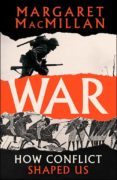
INGLÉS
WAR : HOW CONFLICT SHAPED US
Envío gratis
Entrega aproximada en 2/3 semanas.
No tenemos stock, pero lo pedimos urgente al distribuidor, te lo enviamos en 24h cuando lo recibamos en nuestro almacén, en ocasiones los distribuidores no pueden servirnos el producto, en este caso anularemos el pedido y te informaremos. El importe lo cobramos sólo en el momento en el que hagamos el envío.
Otros vendedores (nuevo y usado) desde 189,00 €
Descubre por qué Murdoku es el libro más viral
Sinopsis
The time since the Second World War has been seen by some as the longest uninterrupted period of harmony in human history: the 'long peace', as Stephen Pinker called it. But despite this, there has been a military conflict ongoing every year since 1945. The same can be said for every century of recorded history. Is war, therefore, an essential part of being human?
In War, Professor Margaret MacMillan explores the deep links between society and war and the questions they raise. We learn when war began - whether among early homo sapiens or later, as we began to organise ourselves into tribes and settle in communities. We see the ways in which war reflects changing societies and how war has brought change - for better and worse.
Economies, science, technology, medicine, culture: all are instrumental in war and have been shaped by it - without conflict it we might not have had penicillin, female emancipation, radar or rockets. Throughout history, writers, artists, film-makers, playwrights, and composers have been inspired by war - whether to condemn, exalt or simply puzzle about it. If we are never to be rid of war, how should we think about it and what does that mean for peace?
Ficha Técnica
Editorial: Profile Books
ISBN: 9781788162562
Idioma: Inglés
Número de páginas: 336
Encuadernación: Tapa dura
Fecha de lanzamiento: 15/12/2020
Año de edición: 2020
Especificaciones del producto
Recibe novedades de Margaret MacMillan directamente en tu email
Reseñas sobre WAR : HOW CONFLICT SHAPED US
Comparte tu experiencia con la comunidad lectora.
0 Reseñas
5 0
4 0
3 0
2 0
1 0
Sólo por opinar entras en el sorteo mensual de tres tarjetas regalo valoradas en
20€
Publicar una opinión supone haber leído y aceptado las
bases del sorteo
"Tu opinión tiene premio".
Los libros más vendidos de Historia militar