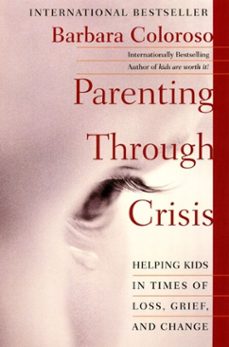
In this companion to her bestselling Kids are Worth It!, parenting educator Barbara Coloroso shows how parents can help children find a way through grief and sorrow during the difficult times of death, illness, divorce, and other upheavals. She offers concrete, compassionate ideas for supporting children as they navigate the emotional ups and downs that accompany loss, assisting them in developing their own constructive ways of responding to what life hands them.At the heart of her approach is what she calls the T.A.0. of Family -- Time, Affection, and Optimism -- coupled with her deep understanding of how people move through grief. Barbara Colorosos clear answers to difficult questions are enriched by uplifting humor and insightful anecdotes from her own experiences as a Franciscan nun, mother of three, and her thirty years as a parenting educator. With this Guide in hand, parents can feel assured that they are responding with wisdom and love when children need them most.
The parenting classic, now revised with new chapters, checklists, and information about todays most pressing issues regarding our childrenThis bestselling guide rejects "quick-fix" solutions and focuses on helping kids develop their own self-discipline by owning up to their mistakes, thinking through solutions, and correcting their misdeeds while leaving their dignity intact. Barbara Coloroso shows these principles in action through dozens of examples -- from sibling rivalry to teenage rebellion; from common misbehaviors to substance abuse and antisocial behavior. She also explains how to parent strong-willed children, effective alternatives to time-outs, bribes, and threats, and how to help kids resolve disputes and serious injustices such as bullying. Filled with practical suggestions for handling the ordinary and extraordinary tribulations of growing up, kids are worth it! helps you help your children grow into responsible, resilient, resourceful adults -- not because you tell them to, but because they want to.
La preocupación por la educación de los hijos ha crecido exponencialmente en los últimos años, máxime cuando se ha comprobado, en sociedades avanzadas como la norteamericana, la ineficacia de ciertos metodos pedagogicos, sobre todo el conductista, que no