Phnom Penh, 1970. Au lendemain du coup d''État qui porte au pouvoir un gouvernement favorable aux Américains, un diplomate français rattrape la Cambodgienne qui lui a volé de l''argent et la ramène c
François Bizot, membre de lÉcole française dExtrême-Orient, est fait prisonnier au Cambodge par les Khmers rouges, en 1971. Enchaîné, il passe trois mois dans un camp de maquisards. Chaque jour, il e
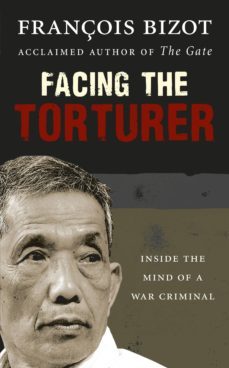
In 1971, Francois Bizot was kept prisoner for three months in the Cambodian jungle, accused of being a CIA spy. His Khmer Rouge captor, Comrade Duch, eventually had him freed and it took Bizot decades to realize he owed his life to a man who, later in the Killing Fields regime, was to become one of Pol Pots most infamous henchmen. As the head of the Tuol Sleng S-21 jail, Duch personally oversaw the detention, systematic torture and execution of more than 16,000 detainees.Duchs trial as a war criminal ended in July 2010 amid a blaze of publicity. He was sentenced to a controversial 35 years imprisonment. In the tradition of Gitta Sereny, who sat with Speer in the Nuremberg trials, Bizot attended Duchs court case and spent time with him in prison, trying to unearth whatever humanity Duch had left. It would be all too easy, says Bizot, if this man was a monster, not a member of the human race. We could use the slogan never again and move on. But the deep horror is that this man is normal...Through his very qualities he became a mass murderer. Does that exonerate him from the crimes? Certainly not. But it does force us to question ourselves in a way that is deeply unsettling.At once a personal essay, a historical and philosophical meditation, and an eye-witness account, Facing the Torturer will join a very short list of important books about mans personal responsibility in collective crimes.
In 1971 a young French ethnologist named Francois Bizot was taken prisoner by forces of the Khmer Rouge who kept him chained in a jungle camp for months before releasing him. Four years later Bizot became the intermediary between the now victorious Khmer Rouge and the occupants of the besieged French embassy in Phnom Penh, eventually leading a desperate convoy of foreigners to safety across the Thai border. Out of those ordeals comes this transfixing book. At its center lies the relationship between Bizot and his principal captor, a man named Douch, who is today known as the most notorious of the Khmer Rouges torturers but who, for a while, was Bizots protector and friend. Written with the immediacy of a great novel, unsparing in its understanding of evil, The Gate manages to be at once wrenching and redemptive.