Mary Rakow, Ph.D, es una novelista estadounidense. Graduada por la Harvard Divinity School, ha disfrutado de dos residencias en la Lannan Foundation y una beca de la Lannan Foundation Literary.
Recibe novedades de MARY RAKOW directamente en tu email
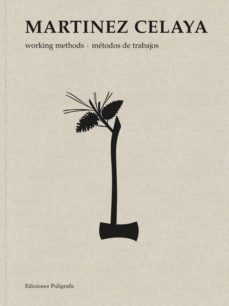
En este primer estudio exhaustivo sobre el proceso creativo de Martínez Celaya, Mary Rakow y Matthew Biro iluminan aspectos anteriormente no atendidos de su práctica del artista, incluyendo su tendencia a destruir su propia obra, sus materiales, sus influencias literarias, y los cambios que marcaron momentos clave en su carrera. Enrique Martínez Celaya es uno de los artistas más interesantes y reconodidos de Estados Unidos de los últimos años. Formado como artista y físico, su práctica abarca pintura, escultura, fotografía y escritura. Sus proyectos suelen tomar forma de entornos multidisciplinares que sostienen imágenes con la inmediatez de la experiencia material, y sus ideas, así como su enfoque, estan influenciadas por fuentes que van desde la poesía nórdica a la física cuántica. Su temprana formación como científico y su interés por la filosofía se hacen evidentes en su trabajo con múltiples lecturas: cerebral, directamente emocional y profundamente ligado a la vida. Este libro recoge tanto fotografías nuevas, como imágenes de archivo, y una serie de obras inéditas. También se incluye una entrevista de Mary Rakow con el artista que revela su práctica única, así como una cronología biográfica, una bibliografía y un historial de sus exposiciones.
A woman sits in prayerful meditation, waiting to offer her first confession in more than thirty years. She holds a small book on her lap, one that shes made, and tells herself again the Bible stories it contains, the ones she has written anew, for herself, each story told aslant, from Jonah to Jesus, Moses to Mary Magdalen. Woven together and stitched by hand, they provide a new version, virtually a new translation, of the heart of this ancient and sacred text. Rakows Bernadette traces, through each brief and familiar story, a line where belief and disbelief touch, the line that has been her home, ragged and neglected, that hidden seam.The result is an amazing book of extraordinary beauty, so human and humorous, and yet so holy it becomes a work of poetry, a canticle, a song of lament and praise. In the private terrain of silence and devotion, shared with us by a writer of power and grace, Rakow offers, through Bernadette, her own lectio divina for the modern world.No reader will forget this book or be able to read the Bible itself without a new perspective on this text that remains, arguably, Western civilizations greatest literary achievement.
The novel opens with Barbara, who, after remembering incidents of torture at the hands of her father, has quite literally broken down. Found inside a disabled elevator, she is no longer able to function with her new consciousness of these memoriesthose which are so resistant to understanding. Confronted with this knowledge of evil, she must begin the painful process of remembering and reconstructing a new whole self.Helping Barbara to navigate her grief and her memories are her therapist, the Psalms, and most of all, the words of Paul Celan. Paul Celan: 19201970, Poet. An eastern European holocaust survivor who wrote haunting poems about the darker spiritual trials of life and relationships that exhibit a compact style that fuses broken words and chopped syntax to produce a stark musicality.This is a novel about a woman who goes to hell and back. Its a story which affirms the resilience of the human spirit and the healing power of love and faith.