Former senator George McGovern and William R. Polk, a leading authority on the Middle East, offer a detailed plan for a speedy troop withdrawal from Iraq. During the phased withdrawal, to begin on December 31, 2006, and to be completed by June 30, 2007, they recommend that the Iraq government engage the temporary services of an international stabilization force to police the country. Other elements in the withdrawal plan include an independent accounting of American expenditures of Iraqi funds, reparations to Iraqi civilians for lives lost and property destroyed, immediate release of all prisoners of war, the closing of American detention centers, and offering to void all contracts for petroleum exploration, development, and marketing made during the American occupation.
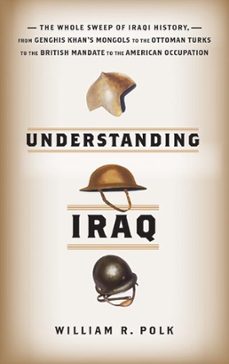
The destinies of Iraq and America will be entwined for the foreseeable future, due to U.S. incursion -- the latest in a long history of violent outside interventions. A country located directly over the worlds largest supply of crude oil, Iraq will continue to play an essential role in global economics and in Middle Eastern politics for many decades. Therefore, it is vitally important that Westerners have a clear understanding of this volatile, enigmatic land, its turbulent past and possibilities for the future.In Understanding Iraq, noted Middle East authority William R. Polk presents the dramatic story of the Land of Two Rivers in one concise volume. This fascinating, in-depth study presents a comprehensive history of the events that shaped modern Iraq, while offering well-reasoned judgments on what we can expect there in years to come.William R. Polk is the author of The U.S. and the Arab World and The Elusive Peace. He taught at Harvard and was professor of history at the University of Chicago. In 1961 he was a member of the Policy Planning Council of the State Department. Polk was past president of the Adlai Stevenson Institute of International Affairs. He has written articles on Iraq and the Middle East for Foreign Affairs, the Atlantic Monthly, the Washington Post, the Chicago Sun Times and the New York Review of Books.It is a well-written and important book with considerable relevance to the survival of Western democracy. Said Aburish, author of Saddam Hussein