Librerías































📱 eBook en inglés Stillness in the Flow
MOEZ BEN KADHI
Moez Ben Kadhi- 9798232172411
Sinopsis de Stillness in the Flow
In the quiet halls of Zen monasteries, where time seems to dissolve into the rhythm of breath, meditation is not merely a practice, it is a way of being. The seated stillness of zazen invites neither escape nor transcendence in the conventional sense, but rather a return: a return to immediacy, to presence, and to the unadorned reality of existence as it unfolds moment by moment. Within this stillness, the boundaries between self and world begin to soften, revealing a mode of awareness that is at once deeply personal and profoundly universal.
Japanese meditation, particularly within the Zen tradition, has evolved over centuries as a disciplined yet fluid path toward insight. Often associated with the pursuit of satori, or awakening, zazen is less about attaining a distant goal and more about embodying a direct encounter with the present. This paradox, of striving without striving, of seeking while letting go, lies at the heart of Zen practice and reflects a broader philosophical orientation embedded within Japanese culture.
Yet, to understand zazen in isolation would be to overlook the rich and intricate spiritual landscape from which it emerged. Long before the arrival of Buddhism in the sixth century, the Japanese archipelago was shaped by indigenous practices now collectively referred to as Shinto. Rooted in a deep reverence for nature, Shinto does not posit a strict division between the sacred and the ordinary. Instead, it perceives the presence of kami, sacred forces or spirits, within natural phenomena, ancestral lineages, and the rhythms of daily life.
When Buddhism was transmitted to Japan, traditionally dated to the mid-sixth century during the Asuka period, it encountered not a vacuum but a vibrant and living tradition. Rather than displacing existing beliefs, Buddhism entered into a dynamic process of interaction and mutual influence with Shinto. Over time, this encounter gave rise to a distinctive form of spiritual syncretism, in which elements of both traditions were woven together into a cohesive yet flexible framework of practice and understanding.
This integration is not merely doctrinal but experiential. In Japan, spiritual life has often been less concerned with exclusive affiliation and more oriented toward harmonious coexistence. It is not uncommon for individuals to participate in Shinto rituals marking life transitions while also engaging in Buddhist practices related to death, mourning, or introspection. Meditation, in this context, becomes one thread within a broader tapestry, a means of cultivating awareness that resonates with cultural values of balance, continuity, and relationality.
Scholars have long debated the applicability of the term "religion" to Japanese spiritual traditions. Unlike many Western frameworks, which emphasize belief, doctrine, and institutional boundaries, Japanese practices often prioritize ritual, embodiment, and situational meaning. As such, zazen may be understood not only as a religious exercise but also as a cultural discipline, a philosophical inquiry, and a lived art form. It is at once structured and open, rigorous and adaptable, rooted in tradition yet responsive to the evolving contours of modern life.
This book seeks to explore Japanese meditation as a living practice situated within this complex and nuanced context. It does not aim to provide a definitive account, such a task would be...










Léelo en cualquier dispositivo

iPhone y iPad
Descarga la App de lectura Vivlio Casa del Libro para IOS. Es gratuita y está disponible tanto para iPhone como para iPad.
Android
Descarga la App de lectura Vivlio Casa del Libro para Android. Es gratuita y está disponible tanto para móvil como para tablet.

Tu navegador
Puedes leer los eBooks directamente con nuestro visor online, accediendo a nuestra web desde tu móvil o tu ordenador, sin necesidad de descargar nada. Accede a tu área de usuario y empieza a leer.

eReader Vivlio Casa del Libro
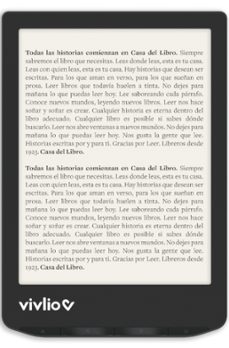
Disfruta de la sensación de un libro físico, pero con las ventajas de un libro digital. Puedes comprar tu eReader Vivlio Casa del Libro aquí.
Empezar a utilizarlo es muy fácil, solo tienes que sincronizar la biblioteca con tu usuario y contraseña y a disfrutar de la lectura.

Otros eReaders*
Puedes conectar tu eReader a tu ordenador y enviar el libro al dispositivo utilizando Adobe Digital Editions.
* Los eReaders de Amazon (Kindle) solo permiten libros de su propia tienda, por lo que no son compatibles.

Ficha técnica
Editorial: Moez Ben Kadhi
ISBN: 9798232172411
Idioma: Inglés
Fecha de lanzamiento: 04/04/2026
Especificaciones del producto
Opiniones sobre Stillness in the Flow
¡Sólo por opinar entras en el sorteo mensual de tres tarjetas regalo valoradas en 20€*!