





























Sinopsis
In the renowned work Symposium, Plato presents a series of philosophical dialogues centered around the theme of love, known as Eros. Set during a banquet, the text unfolds as various prominent figures, including Socrates, engage in a series of speeches that explore different dimensions of love—from the physical to the divine. This dialogue not only reflects Platos characteristic blend of rhetorical skill and philosophical inquiry but also situates itself within the context of classical Greek thought, encapsulating the tensions and aspirations of Athenian society in the 4th century BC. The literary style is infused with irony and allegory, challenging readers to ponder the complexities of desire and the nature of beauty itself. Plato, a student of Socrates and a pivotal figure in Western philosophy, sought to understand the essence of human existence and the ideal forms of reality. His philosophical inquiries were deeply influenced by his experiences in the tumultuous political landscape of Athens and the Socratic method of questioning that shaped his intellectual pursuits. These influences are evident in Symposium, where he crafts a compelling narrative that invites listeners to reconsider the roles of love and intellect within their lives. ymposium is essential for anyone seeking to delve into the philosophical foundations of Western thought. It presents a rich tapestry of ideas that challenge contemporary notions of love and relationships. The text is not only a cornerstone of philosophical literature but also an enduring masterpiece that resonates with the timeless quest for understanding the human condition.
















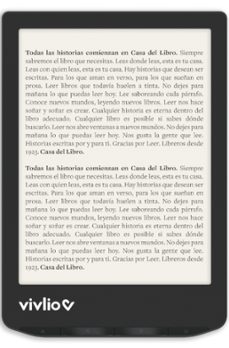
Léelo en cualquier dispositivo


Ficha Técnica
Editorial: Digicat
ISBN: 8596547331612
Idioma: Inglés
Fecha de lanzamiento: 15/09/2022
Especificaciones del producto
Recibe novedades de Platón directamente en tu email
Reseñas sobre Symposium
Comparte tu experiencia con la comunidad lectora.
0 Reseñas
5 0
4 0
3 0
2 0
1 0
Sólo por opinar entras en el sorteo mensual de tres tarjetas regalo valoradas en
20€
Publicar una opinión supone haber leído y aceptado las
bases del sorteo
"Tu opinión tiene premio".





*Descuento de 15 euros en el eReader Vivlio Light Zen, válido para pedidos realizados en casadellibro.com del 13 de julio al 2 de agosto y solo para los 300 primeros compradores, hasta fin de existencias.