
 Librerías
 Feliz Día de la Madre
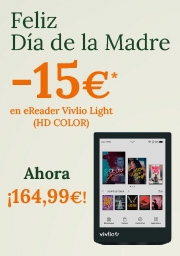
eReader Vivlio Light HD Color con 15 € dto.
Libros para el Día de la Madre

Regala historias inolvidables para celebrar el Día de la Madre






Feliz Día de la Madre
El mejor regalo para la mejor



Métodos de idiomas

¿Qué idioma estás aprendiendo?
Dragon ball

¡La aventura te espera! Completa tu colección de Dragon Ball



Mate

The global bestseller and TikTok sensation



Dia de la Mare

Tenim els millors regals per a mamà



Disfruta los audiolibros 🎧

Los mejores audiolibros en Casa del Libro



eReader Vivlio Light Color
15 euros de descuento


eBooks de , página 19158 de 115559
Filtros

LARK, ECHO
Echo Lark 9798232782238
eBook

ALIGIZAKIS, MANOLIS
Libros Libertad Publishing 9798233793905
eBook

AFSR
AFSR 9798233647154
eBook

AFSR
AFSR 9798232064419
eBook

READE, JAXON
Jaxon Reade 9798233929281
eBook

PRESCOTT, JONAH
Richa Publishing Minds 9798233657214
eBook

GOODMAN, MADISON
Madison Goodman 9798230830658
eBook

LAKELAND, CARL
Carl Lakeland 9798233833960
eBook

RAHMAN, SHAHRIAR
Shahriar Rahman 9798233903649
eBook

GPONLINE
Global Policy 9798233971150
eBook

EVANS, ANDY
Grosvenor House Publishing 9781836154686
eBook
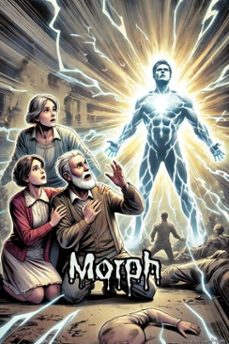
NISHANT
EntroGroup & Company 9798232217020
eBook

RAFAY, ABDUL
Abdul Rafay 9798233163142
eBook

NGU, DOC
Bama Vacon Publishing 9798233128462
eBook

KAZEM, GUS
Gusgraph Press 9798902800101
eBook

(FMG), FELIX MORGENSTERN
Felix Morgenstern (FMG) 9798233379048
eBook

(FMG), FELIX MORGENSTERN
Felix Morgenstern (FMG) 9798233280238
eBook

SIDDHAR, KELAKKIYAR
Kelakkiyar Siddhar Siddhar 9798232713973
eBook

(FMG), FELIX MORGENSTERN
Felix Morgenstern (FMG) 9798233185496
eBook

HARVARD, AAM
Poverty Eradication Trust ( Triple ISO ) 9789349588417
eBook