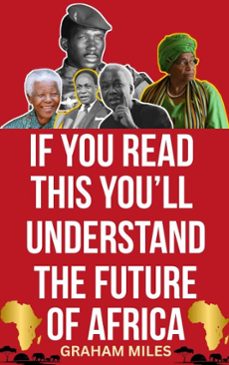
Youve heard the headlines. Youve seen the statistics. You may have even visited. But none of that prepares you for what this book reveals. If You Read This Youll Understand the Future of Africa is not another generic overview stuffed with optimism or fearits a sharp, sober analysis of the forces already shaping Africas next chapter. This is a book for those who refuse to accept the tired narratives fed to them by the media or the outdated views circulating in economic boardrooms and political summits.What happens when a continent with the youngest population on earth collides with rising global instability, fractured governance systems, and an unrelenting technological wave? What emerges when traditional power brokers lose their grip, and new, decentralized movements redefine how change happens? This book looks at Africa through a lens stripped of sentimentalityoffering clarity, not comfort.The pace of transformation across African societies isnt just rapidits disjointed, uneven, and fueled by contradictions. Urban migration surges alongside rising tribal loyalties. Youth-driven innovation thrives within economies still shackled by colonial infrastructure. While global investment hunts for quick wins, local communities recalibrate survival through informal economies and digital subcultures. This book doesnt paint Africa with one brushstroke. It confronts the complexity head-on, offering a layered analysis that spans Lagos tech hubs to pastoralist communities in Kenya, from Ghanas civic reforms to the undercurrents in the DRCs informal mining sectors.If you think the future of Africa is a single story of either despair or promise, youll be uncomfortable here. But youll also walk away better informed. Not just with insights into Africas politics and economics, but with a deeper grasp of what matters most: the shift in power from institutions to people, the cracks in imported governance models, and the rise of a pragmatic generation unburdened by ideology.This book shows you how informal systemsnot official structuresare doing the heavy lifting in education, health, and security. It explains how mobile money didnt just transform banking; it rewired the way people relate to power, ownership, and opportunity. It uncovers the rise of regionalism not as a threat to national unity but as a counterweight to dysfunctional central governments. These arent abstract theories. These are real dynamics already reshaping the continent from the ground up.The question isnt whether Africa will riseits how. And the "how" doesnt lie in GDP projections or foreign policy strategies. It lies in understanding the minds of the young people building without permission, the civic actors bypassing bureaucracy to create real change, and the families navigating broken systems with resourceful resilience. This book gives you access to those stories, without romanticism, without pity, and without trying to prove a point. Just truth.Read this book and youll understand why the continents future hinges less on elections and more on infrastructure. Why pan-Africanism is reawakening not in old-school conferences, but in underground art scenes, diaspora remittances, and decentralized digital networks. Why the idea of the "African solution to African problems" isnt just a sloganits becoming a strategic necessity.Youll walk away with a new lens for evaluating foreign influence, whether its Chinas ...
Ver más 
 Librerías