
 Librerías
 Imprescindibles 
Más vendidos Libros más vendidos eBooks más vendidos Categorías más vendidas Libros más buscados Todos los libros Todos los libros Autores destacados Nuestros catálogos Series y sagas Blog
Recomendados Libros recomendados Clásicos imprescindibles Libros que inspiran Mens sana in corpore sano Booktokers Pelis y series Actualidad Premios
Novedades Novedades libros Novedades infantiles Novedades ebooks Próximos lanzamientos libros Próximos lanzamientos eBooks
Promociones Sorteos Libros desde 2,95€ eBooks hasta 80% descuento Ediciones especiales Libros firmados
Lanzamientos del mes
Las novedades más esperadas
Ficción 
Literatura Contemporánea Libros de bolsillo Clásicos Poesía Teatro Cuentos Literatura en otros idiomas Estudios literarios
Géneros literarios Novela romántica y erótica Novela negra Novela histórica Narrativa fantástica Novela de ciencia ficción Novela de terror Narrativa de humor Narrativa de viajes
Imprescindibles de ficción Novedades de ficción Los más leídos de ficción Recomendados de ficción Autores destacados David Uclés Sarah J. Maas Brandon Sanderson Sagas literarias La asistenta La saga de los longevos Saga Powerless
Autora del mes
Descubre todos los libros de Elísabet Benavet



No Ficción
Ciencias y tecnología Biología Ciencias Ciencias naturales Divulgación científica Informática Ingeniería Matemáticas Medicina Salud y dietas Filología Biblioteconomía Estudios filológicos Estudios lingüísticos Estudios literarios Historia y crítica de la Literatura
Humanidades Autoayuda y espiritualidad Ciencias humanas Derecho Economía y Empresa Psicología y Pedagogía Filosofía Sociología Historia Arqueología Biografías Historia de España Historia local de España Historia Universal Historia por países
Arte Arquitectura Cine Diseño y moda Fotografía Historia del arte Música Pintores y escultores Estilo de vida Libros de Cocina Guías de viaje Narrativa de viajes Deportes Libros de Juegos Manualidades



Infantil 
Infantil Infantil de 0 a 2 años Infantil de 3 a 4 años Infantil de 5 a 6 años Infantil de 7 a 9 años Infantil de 10 a 12 años Infantil en otros idiomas Libros infantiles en inglés Libros infantiles en francés
Cómic y manga infantil Cómic infantil Manga infantil - Kodomo Papelería y regalo infantil Juegos educativos Juegos clásicos Juegos de cartas Djeco Puzzles Se habla de... Dejar el pañal Aprender a leer Mitología Cambio climático El universo
Imprescindibles infantiles Los más vendidos Recomendados Novedades Series infantiles Personajes Ovejita que vino a cenar Magic animals Cazamisterios Secreto de bruja Me llamo Goa Enzo Brown Crónicas de Narnia
Personaje del mes
Las aventuras de Perro Apestoso


Juvenil 
#JóvenesLectores Narrativa juvenil Clásicos adaptados Libros Wattpad Libros Booktok Libros de influencers Libros de Youtubers Libros Spicy juveniles Libros LGTBIQ+ Temas sociales Libros ciencia ficción Libros de acción y aventura Cómic y Manga Juvenil Cómic Juvenil Manga Shonen Manga Shojo
Libros de fantasía Cozy Fantasy Dark academia Hadas y Fae Romantasy Royal Fantasy Urban Fantasy Vampiros y hombres lobo Otros Misterio y terror Cozy Mistery Policiaca Spooky Terror Thriller y suspense Otros
Libros románticos y de amor Dark Romance Clean Romance Cowboy Romance Mafia y amor Romance dramatico Romcom Sport Romance Otros Clichés Enemies to Lovers Friends to Lovers Hermanastros Slow Burn Fake Dating Triángulo amoroso
Imprescindibles Juvenil Los más vendidos Recomendados Novedades Sagas Juveniles Powerless Los chicos Tommen Culpables Twisted Autores destacados Jennifer L. Armentrout Eloy Moreno Nerea Llanes Hannah Nicole Maehrer
Autora juvenil del mes
Descubre todos los libros de Mercedes Ron
Cómic y Manga 
Novela gráfica Novela gráfica americana Novela gráfica europea Novela gráfica de otros países Personajes, series y sagas Series y sagas Superhéroes Cómics DC Cómics Marvel Cómics otros superhéroes
Cómics Libros de ilustración Cómic de humor Cómic erótico Historia y técnica Cómic infantil y juvenil Cómic infantil Cómic juvenil Juegos y merchandising Libros de juegos de rol Juegos Figuras
Dragon ball
¡La aventura te espera! Completa tu colección de Dragon Ball


Books in English 
Books in English Fiction Non Fiction Comic Teen & Young Adult Main Authors Ken Follett Agatha Christie Stephen King Jane Austen Maggie O’Farrell
Books in English for Young Adults Age 13+ Age 15+ Young Adult Authors Rebecca Yarros Sarah J. Maas Brandon Sanderson Ali Hazelwood Alice Oseman
Books in English for Kids Age 0-2 Age 3-4 Age 5-6 Age 7-9 Age 10-12 eBooks Fiction Non Fiction On sale
Mate
The global bestseller and TikTok sensation


Llibres en català 
Llibres en català Més venuts Recomanats Novetats Categories principals Literatura Història C. humanes Autoajuda Juvenil
Infantils 0-2 any 3-4 anys 5-6 anys 7-9 anys 10-12 anys Recomanats infantils Llibres de text Lectures precriptives
eBooks Novetats Autors Albert Sánchez Piñol Regina Rodríguez Sirvent Sílvia Soler Gil Pratsobrerroca Editorial del mes Barcanova Ofertes
Personatge del mes
Descobreix les aventures de Gos Pundet



eBooks/Audiolibros 
Literatura en eBook Contemporánea Narrativa fantástica Novela de ciencia ficción Novela de terror Novela histórica Novela negra Novela romántica y erótica Literatura en otros idiomas Juvenil en eBook Fantasía y magia Romance y amor Misterio y terror Temas sociales Infantil en eBook eBooks infantiles
Ciencia y tecnología en eBook Ciencias naturales Divulgación científica Medicina Salud y dietas Filología en eBook Humanidades en eBook Autoayuda y espiritualidad Ciencias humanas Política Derecho Economía y Empresa Historia en eBook Arte en eBook Estilo de vida en eBook Cocina
Imprescindibles en eBook Más vendidos Recomendados Novedades Ediciones especiales Promociones Más buscados Próximos lanzamientos eBooks firmados eReader Vivlio Vivlio Light HD Color Vivlio Light 6 Vivlio Inkpad 4 Cómo leer un eBook Apps Casa del Libro App Casa del Libro
Disfruta los audiolibros 🎧
Los mejores audiolibros en Casa del Libro



Papelería 
Agendas y calendarios Agendas escolares Agendas 2026 Calendarios 2026 Juegos y puzles Juegos de mesa Juegos de cartas Juegos clásicos Juegos educativos Juegos experto Manualidades Puzles Bolsas y Tote bag Bolsas de tela Bolsas Casa del Libro
Accesorios de escritorio Cuadernos y libretas Material de escritura Bolígrafos borrables Estuches Carpetas Postales Papel de regalo Otros Merchandising Figuras Menaje Papelería Mr. Wonderful Tantanfan
Accesorios de lectura Marcapáginas Lámparas de lectura Fundas de libros Atriles Gafas Otros Regalos Regalos de literatura Tarjeta regalo eReader Vivlio Vivlio Light HD Color Vivlio Light 6 Vivlio Inkpad 4 Cómo leer un eBook
eReaders Vivlio
Descubre los mejores eReaders


ALAN BOOTH
Recibe novedades de ALAN BOOTH directamente en tu email
Filtros
Del 1 al 4 de 4
ANAYA 9788420743851
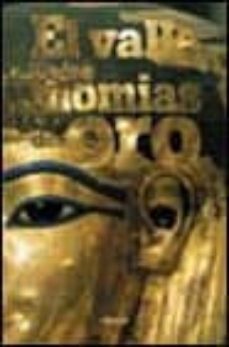
En 1996 el joven Mahmud cruzaba con su burro la meseta que se extiende a las afueras de El Bawiti, en el oasis de Bahriya; cuando de repente una de las patas del animal se hundió en la arena del desierto, destapando un tesoro que habia permanecido oculto mas de 2.000 años.EL VALLE DE LAS MOMIAS DE ORO es un viaje alucinante que nos transporta al ultimo gran descubrimiento realizado en Egipto. Contado por los propios protagonistas de esta historia, y como si se tratara de un libro de aventuras, Nacho Ares conduce al lector de una forma distendida y amena por una de las paginas mas brillantes de la egiptologia, el hallazgo, en pleno corazon del desierto libio, de la necropolis de momias humnas mas grande de toda la Antiguedad. A lo largo de 6 kilometros cuadrados se extiende un cementerio que puede albergar en sus subterraneos unas 10.000 momias. Hasta ahora se han podido recuperar mas de doscientos cuerpos, muchos de ellos cubiertos con mascaras de oro, cuyos enigmaticos rostros nos lanzan infinidad de preguntas. ¿Quienes eran esos hombres y mujeres que se hicieron enterrar de forma tan ostentosa hacie 2.000 años? ¿Que han dicho de ellos las ultimas investigaciones llevadas a cabo entre 1999 y 2000? En Bahariya, tal y como refleja el autor, las tecnicas de la medicina moderna y los sofisticados estudios de ADN antiguo tienen la ultima palabra.
Ver más
Tapa blanda

MACMILLAN PUB. LTD. 9780333698426
Tapa blanda
Kodansha USA 9781568366159
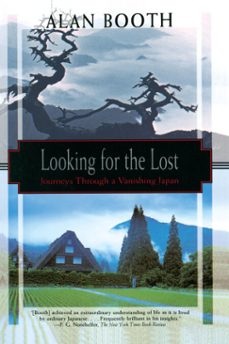
A VIBRANT, MEDITATIVE WALK IN SEARCH OF THE SOUL OF JAPANTraveling by foot through mountains and villages, Alan Booth found a Japan far removed from the stereotypes familiar to Westerners. Whether retracing the footsteps of ancient warriors or detailing the encroachments of suburban sprawl, he unerringly finds the telling detail, the unexpected transformation, the everyday drama that brings this remote world to life on the page. Looking for the Lost is full of personalities, from friendly gangsters to mischievous children to the author himself, an expatriate who found in Japan both his true home and dogged exile. Wry, witty, sometimes angry, always eloquent, Booth is a uniquely perceptive guide. Looking for the Lost is a technicolor journey into the heart of a nation. Perhaps even more significant, it is the self-portrait of one man, Alan Booth, exquisitely painted in the twilight of his own life.
Ver más
eBook

Penguin 9780141992853
A memorable, oddly beautiful bookWall Street JournalA marvellous glimpse of the Japan that rarely peeks through the countrys public imageWashington PostOne sunny spring morning in the 1970s, an unlikely Englishman set out on a pilgrimage that would take him across the entire length of Japan. Travelling only along small back roads, Alan Booth travelled on foot from Soya, the countrys northernmost tip, to Sata in the extreme south, traversing three islands and some 2,000 miles of rural Japan. His mission: to come to grips with the business of living here, after having spent most of his adult life in Tokyo.The Roads to Sata is a wry, witty, inimitable account of that prodigious trek, vividly revealing the reality of life in off-the-tourist-track Japan. Journeying alongside Booth, we encounter the wide variety of people who inhabit the Japanese countryside - from fishermen and soldiers, to bar hostesses and school teachers, to hermits, drunks and the homeless. We glimpse vast stretches of coastline and rambling townscapes, mountains and motorways; watch baseball games and sunrises; sample trout and Kilamanjaro beer, hear folklore, poems and smutty jokes. Throughout, we enjoy the wit and insight of a uniquely perceptive guide, and more importantly, discover a new face of an often-misunderstood nation.
Ver más
eBook
Del 1 al 4 de 4