
 Librerías
 Imprescindibles 
Más vendidos Libros más vendidos eBooks más vendidos Categorías más vendidas Libros más buscados Todos los libros Todos los libros Autores destacados Nuestros catálogos Series y sagas Blog
Recomendados Libros recomendados Clásicos imprescindibles Libros que inspiran Mens sana in corpore sano Booktokers Pelis y series Actualidad Premios
Novedades Novedades libros Novedades infantiles Novedades ebooks Próximos lanzamientos libros Próximos lanzamientos eBooks
Promociones Sorteos Libros desde 2,95€ eBooks hasta 80% descuento Ediciones especiales Libros firmados
Feliz Día de la Madre
eReader Vivlio Light HD Color con 15 € dto.
Ficción 
Literatura Contemporánea Libros de bolsillo Clásicos Poesía Teatro Cuentos Literatura en otros idiomas Estudios literarios
Géneros literarios Novela romántica y erótica Novela negra Novela histórica Narrativa fantástica Novela de ciencia ficción Novela de terror Narrativa de humor Narrativa de viajes
Imprescindibles de ficción Novedades de ficción Los más leídos de ficción Recomendados de ficción Autores destacados David Uclés Sarah J. Maas Brandon Sanderson Sagas literarias La asistenta La saga de los longevos Saga Powerless
Libros para el Día de la Madre
Regala historias inolvidables para celebrar el Día de la Madre

No Ficción
Ciencias y tecnología Biología Ciencias Ciencias naturales Divulgación científica Informática Ingeniería Matemáticas Medicina Salud y dietas Filología Biblioteconomía Estudios filológicos Estudios lingüísticos Estudios literarios Historia y crítica de la Literatura
Humanidades Autoayuda y espiritualidad Ciencias humanas Derecho Economía y Empresa Psicología y Pedagogía Filosofía Sociología Historia Arqueología Biografías Historia de España Historia local de España Historia Universal Historia por países
Arte Arquitectura Cine Diseño y moda Fotografía Historia del arte Música Pintores y escultores Estilo de vida Libros de Cocina Guías de viaje Narrativa de viajes Deportes Libros de Juegos Manualidades

Infantil Ver más
Infantil Infantil de 0 a 2 años Infantil de 3 a 4 años Infantil de 5 a 6 años Infantil de 7 a 9 años Infantil de 10 a 12 años Infantil en otros idiomas Libros infantiles en inglés Libros infantiles en francés
Cómic y manga infantil Cómic infantil Manga infantil - Kodomo Papelería y regalo infantil Juegos educativos Juegos clásicos Juegos de cartas Djeco Puzzles Se habla de... Dejar el pañal Aprender a leer Mitología Cambio climático El universo
Imprescindibles infantiles Los más vendidos Recomendados Novedades Series infantiles Personajes Ovejita que vino a cenar Magic animals Cazamisterios Secreto de bruja Me llamo Goa Enzo Brown Crónicas de Narnia
Feliz Día de la Madre
El mejor regalo para la mejor
Juvenil 
#JóvenesLectores Narrativa juvenil Clásicos adaptados Libros Wattpad Libros Booktok Libros de influencers Libros de Youtubers Libros Spicy juveniles Libros LGTBIQ+ Temas sociales Libros ciencia ficción Libros de acción y aventura Cómic y Manga Juvenil Cómic Juvenil Manga Shonen Manga Shojo
Libros de fantasía Cozy Fantasy Dark academia Hadas y Fae Romantasy Royal Fantasy Urban Fantasy Vampiros y hombres lobo Otros Misterio y terror Cozy Mistery Policiaca Spooky Terror Thriller y suspense Otros
Libros románticos y de amor Dark Romance Clean Romance Cowboy Romance Mafia y amor Romance dramatico Romcom Sport Romance Otros Clichés Enemies to Lovers Friends to Lovers Hermanastros Slow Burn Fake Dating Triángulo amoroso
Imprescindibles Juvenil Los más vendidos Recomendados Novedades Sagas Juveniles Powerless Los chicos Tommen Culpables Twisted Autores destacados Jennifer L. Armentrout Eloy Moreno Nerea Llanes Hannah Nicole Maehrer
Métodos de idiomas
¿Qué idioma estás aprendiendo?
Cómic y Manga 
Novela gráfica Novela gráfica americana Novela gráfica europea Novela gráfica de otros países Personajes, series y sagas Series y sagas Superhéroes Cómics DC Cómics Marvel Cómics otros superhéroes
Cómics Libros de ilustración Cómic de humor Cómic erótico Historia y técnica Cómic infantil y juvenil Cómic infantil Cómic juvenil Juegos y merchandising Libros de juegos de rol Juegos Figuras
Dragon ball
¡La aventura te espera! Completa tu colección de Dragon Ball
Books in English 
Books in English Fiction Non Fiction Comic Teen & Young Adult Main Authors Ken Follett Agatha Christie Stephen King Jane Austen Maggie O’Farrell
Books in English for Young Adults Age 13+ Age 15+ Young Adult Authors Rebecca Yarros Sarah J. Maas Brandon Sanderson Ali Hazelwood Alice Oseman
Books in English for Kids Age 0-2 Age 3-4 Age 5-6 Age 7-9 Age 10-12 eBooks Fiction Non Fiction On sale
Mate
The global bestseller and TikTok sensation

Llibres en català 
Llibres en català Més venuts Recomanats Novetats Categories principals Literatura Història C. humanes Autoajuda Juvenil
Infantils 0-2 any 3-4 anys 5-6 anys 7-9 anys 10-12 anys Recomanats infantils Llibres de text Lectures precriptives
eBooks Novetats Autors Albert Sánchez Piñol Regina Rodríguez Sirvent Sílvia Soler Gil Pratsobrerroca Editorial del mes Barcanova Ofertes
Dia de la Mare
Tenim els millors regals per a mamà

eBooks/Audiolibros 
Literatura en eBook Contemporánea Narrativa fantástica Novela de ciencia ficción Novela de terror Novela histórica Novela negra Novela romántica y erótica Literatura en otros idiomas Juvenil en eBook Fantasía y magia Romance y amor Misterio y terror Temas sociales Infantil en eBook eBooks infantiles
Ciencia y tecnología en eBook Ciencias naturales Divulgación científica Medicina Salud y dietas Filología en eBook Humanidades en eBook Autoayuda y espiritualidad Ciencias humanas Política Derecho Economía y Empresa Historia en eBook Arte en eBook Estilo de vida en eBook Cocina
Imprescindibles en eBook Más vendidos Recomendados Novedades Ediciones especiales Promociones Más buscados Próximos lanzamientos eBooks firmados eReader Vivlio Vivlio Light HD Color Vivlio Light 6 Vivlio Inkpad 4 Cómo leer un eBook Apps Casa del Libro App Casa del Libro
Disfruta los audiolibros 🎧
Los mejores audiolibros en Casa del Libro


Papelería Ver más
Agendas y calendarios Agendas escolares Agendas 2026 Calendarios 2026 Juegos y puzles Juegos de mesa Juegos de cartas Juegos clásicos Juegos educativos Juegos experto Manualidades Puzles Bolsas y Tote bag Bolsas de tela Bolsas Casa del Libro
Accesorios de escritorio Cuadernos y libretas Material de escritura Bolígrafos borrables Estuches Carpetas Postales Papel de regalo Otros Merchandising Figuras Menaje Papelería Mr. Wonderful Tantanfan
Accesorios de lectura Marcapáginas Lámparas de lectura Fundas de libros Atriles Gafas Otros Regalos Regalos de literatura Tarjeta regalo eReader Vivlio Vivlio Light HD Color Vivlio Light 6 Vivlio Inkpad 4 Cómo leer un eBook
eReader Vivlio Light Color
15 euros de descuento


CARLA KAPLAN
Recibe novedades de CARLA KAPLAN directamente en tu email
Filtros
Del 1 al 4 de 4

DOUBLEDAY TRANSWORLD USA 9780385490368
I mean to live and die by my own mind, Zora Neale Hurston told the writer Countee Cullen. Arriving in Harlem in 1925 with little more than a dollar to her name, Hurston rose to become one of the central figures of the Harlem Renaissance, only to die in obscurity. Not until the 1970s was she rediscovered by Alice Walker and other admirers. Although Hurston has entered the pantheon as one of the most influential American writers of the 20th century, the true nature of her personality has proven elusive. Now, a brilliant, complicated and utterly arresting woman emerges from this landmark book. Carla Kaplan, a noted Hurston scholar, has found hundreds of revealing, previously unpublished letters for this definitive collection; she also provides extensive and illuminating commentary on Hurstons life and work, as well as an annotated glossary of the organizations and personalities that were important to it. From her enrollment at Baltimores Morgan Academy in 1917, to correspondence with Marjorie Kinnan Rawlings, Langston Hughes, Dorothy West and Alain Locke, to a final query letter to her publishers in 1959, Hurstons spirited correspondence offers an invaluable portrait of a remarkable, irrepressible talent.
Ver más
Tapa blanda
Harper 9780062199126
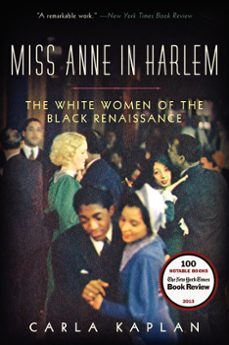
Celebrated scholar Carla Kaplans cultural biography, Miss Anne in Harlem: The White Women of the Black Renaissance, focuses on white women, collectively called Miss Anne, who became Harlem Renaissance insiders. The 1920s in New York City was a time of freedom, experimentation, and passionwith Harlem at the epicenter. White men could go uptown to see jazz and modern dance, but women who embraced black culture too enthusiastically could be ostracized. Miss Anne in Harlem focuses on six of the unconventional, free-thinking women, some from Manhattan high society, many Jewish, who crossed race lines and defied social conventions to become a part of the culture and heartbeat of Harlem. Ethnic and gender studies professor Carla Kaplan brings the interracial history of the Harlem Renaissance to life with vivid prose, extensive research, and period photographs.This landmark work of American history uncovers the real stories behind the myth of "Miss Anne" and explores:Crossing the Color Line: Meet the six white womenincluding patrons, artists, and activistswho defied convention to become part of Harlems vibrant cultural scene. Race, Gender, and Identity: A deep dive into the complex identity politics of the 1920s, exploring why these women risked social ostracism to embrace black culture when it was most dangerous to do so. Patronage and Primitivism: Uncover the complicated dynamics between white patrons and black artists, and how the search for the "primitive" shaped the art and relationships of the New Negro movement. Meticulously Researched Narrative: Based on years of archival research, this essential work of African American studies brings a forgotten chapter of the Jazz Age to life with vivid detail and period photographs.
Ver más
eBook
Anchor 9780307430366
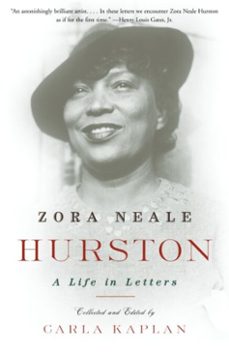
I mean to live and die by my own mind, Zora Neale Hurston told the writer Countee Cullen. Arriving in Harlem in 1925 with little more than a dollar to her name, Hurston rose to become one of the central figures of the Harlem Renaissance, only to die in obscurity. Not until the 1970s was she rediscovered by Alice Walker and other admirers. Although Hurston has entered the pantheon as one of the most influential American writers of the 20th century, the true nature of her personality has proven elusive.Now, a brilliant, complicated and utterly arresting woman emerges from this landmark book. Carla Kaplan, a noted Hurston scholar, has found hundreds of revealing, previously unpublished letters for this definitive collection; she also provides extensive and illuminating commentary on Hurstons life and work, as well as an annotated glossary of the organizations and personalities that were important to it. From her enrollment at Baltimores Morgan Academy in 1917, to correspondence with Marjorie Kinnan Rawlings, Langston Hughes, Dorothy West and Alain Locke, to a final query letter to her publishers in 1959, Hurstons spirited correspondence offers an invaluable portrait of a remarkable, irrepressible talent.
Ver más
eBook
Harper 9780062199331
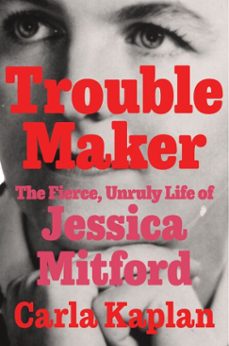
FINALIST FOR THE PEN/JACQUELINE BOGARD WELD AWARD FOR BIOGRAPHY AND LONGLISTED FOR THE NATIONAL BOOK CRITICS CIRCLE BIOGRAPHY AWARDA NEW YORK TIMES EDITORS CHOICE · A TOWN & COUNTRY "BEST BOOK" · A BLOOMBERG BEST BOOKTroublemaker tells the wild and unlikely story of Jessica Mitford, fifth of the six famous Mitford Girls, a British aristocrat-turned-American Communist, famous for exposes like The American Way of Death; this biography brings her astonishing self-transformation to life with a riveting, often hilarious account of trading wealth and status for a life of radical activism.Who could predict that a British aristocrat would so energize American antifascist and civil rights struggles that Time magazine would crown her Queen of the Muckrakers? Jessica Mitford, always known as Decca, was brought up by an eccentric English family to marry well and reproduce her wealth and privilege, not to advocate for the rights of others. Her beautiful sisters have been subjects of books and movies dedicated to their naughty, glamorous lives. Decca ran away to America to forge a rebels life. As this richly researched book details, Decca broke the Mitford mold. Instead of settling for life as a professional Beauty, she fought fascism in the Spanish Civil War, became an American Communist and pioneered witty, hugely popular journalism, including her 1963 blockbuster The American Way of Death. Decca dedicated her life to social justice and proved herself an immensely effective ally, but she also injected laughter into all her political work, annoying some activists with her relentless antics but encouraging many others to find joy in the struggle. From famed baby doctor Benjamin Spock to best friend Maya Angelou, her anti-authoritarian irreverence had a profound impact on American culture. Mining extensive, untapped sources, and with nearly fifty new interviews, Kaplans passionate biography beautifully illuminates how Deccas hard-won and self-taught social empathy offers a powerful example of female freedom, the dramatic, novelistic story of an extraordinary woman of her time who is remarkably relevant and resonant today.
Ver más
eBook
Del 1 al 4 de 4