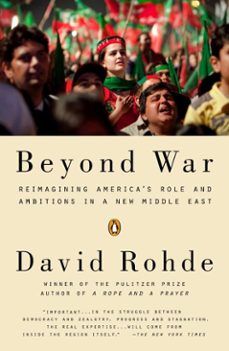
A groundbreaking look at Americas role in the Middle Eastfrom the Pulitzer Prizewinning author of A Rope and a PrayerDistilling eleven years of expert reporting for the New York Times, Reuters, and the Atlantic, two-time Pulitzer Prize winner David Rohde presents an incisive look at the calamitous privatization of the war on terror. Beyond War is a clarion call for change in American policies and attitudes toward a rapidly changing Middle East. Rohde argues that using lethal force is necessary at times, but economic growth and Muslim moderates not American soldierswill eradicate militancy in the long term. Vast mistakes have been made, but it is not too late. By scaling back our ambitions, focusing on economics and working with Muslim moderates, we will achieve more.
Powerful definitive Rohde tells the Srebrenica story with all the shades of gray the truth demanded. The Washington PostIn 1996, at the height of the Bosnian wars, a correspondent for The Christian Science Monitor named David Rohde uncovered a horrifying story that became an enduring symbol of the genocidal nature of that conflict, earning him his first Pulitzer Prize. Endgame is the full-length narrative of the nightmare he stumbled upon in the town of Srebrenica, where a massacre of historic proportions has been allowed to happen due to the negligence of the United States, NATO, and the United Nations. Told through the eyes of the soldiers, peacekeepers, and civilians who were there, this is a vital, unforgettable work of history about an atrocity that could have been prevented.
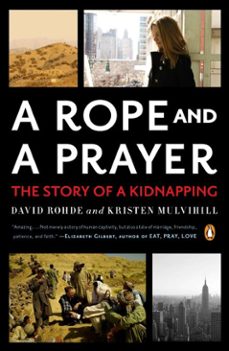
The compelling and insightful account of a New York Times reporters abduction by the Taliban, and his wifes struggle to free him. Invited to an interview by a Taliban commander, New York Times reporter David Rohde and two Afghan colleagues were kidnapped in November 2008 and spirited to the tribal areas of Pakistan. For the next seven months, they lived in an alternate reality, ruled by jihadists, in which paranoia, conspiracy theories, and shifting alliances abounded. Held in bustling towns, they found that Pakistans powerful military turned a blind eye to a sprawling Taliban ministate that trained suicide bombers, plotted terrorist attacks, and helped shelter Osama bin Laden. In New York, Davids wife of two months, Kristen Mulvihill, his family, and The New York Times struggled to navigate the labyrinth of issues that confront the relatives of hostages. Their methodical, Western approach made little impact on the complex mix of cruelty, irrationality, and criminality that characterizes the militant Islam espoused by Davids captors. In the end, a stolen piece of rope and a prayer ended the captivity. The experience tested and strengthened Mulvihill and Rohdes relationship and exposed the failures of American effort in the region. The tale of those seven months is at once a love story and a reflection of the great cultural divide-and challenge-of our time.