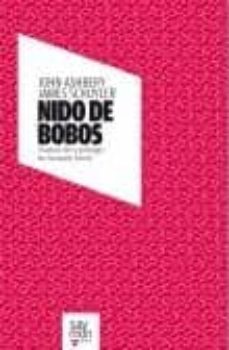
NIDO DE BOBOS (2ª EDICION) Silas Marner, un tejedor abandonado por su mujer, despreciado por su aldea y traicionado por su mejor amigo, llega a la aldea de Raveloe en busca de una nueva oportunidad. La vida de Silas volverá a tenir sentido cuando se hace cargo de la hija de una mujer que muere en la entrada de su casa. No sólo se transformará la existencia de nuestro protagonista, sino la del pueblo entero, que le ayudará en el cuidado de una niña que le hará recuperar aquello que nunca debió perder: la esperanza.
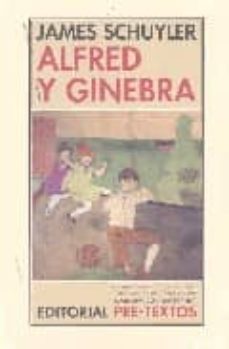
Alfred y Ginebra, la primera obra publicada por el poeta americano James Schuyler (1923-1991), fue escrita cuando no había dado a conocer aún su poesía. Schuyler deseaba alcanzar renombre como narrador y Alfred y Ginebra fue su gran apuesta para lograrlo. Pero en esta novela la poesia se hace patente a cada frase: en su levedad, en su suave ironia y en su encanto, tan deudor de indiscutibles clasicos de la literatura infantil y de la America amable que retratara el ilustrador Norman Rockwell, como de una cierta "simplicidad activa" que Tristan Tzara señalara en las obras dadaistas y que en esta novela, vanguardista y tradicional a un tiempo, contribuye a poner de manifiesto la materialidad del lenguaje. Porque el principal protagonista es el lenguaje.
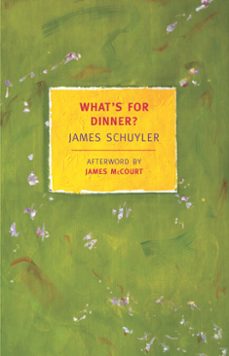
James Schuylers utterly original Whats for Dinner? features a cast of characters who appear to have escaped from a Norman Rockwell painting to run amok. In tones that are variously droll, deadpan, and lyrical, Schuyler tells a story that revolves around three small-town American households. The Delehanteys are an old-fashioned Catholic family whose twin teenage boys are getting completely out of hand, no matter that their father is hardly one to spare the rod. Childless Norris and Lottie Taylor have been happily married for years, even as Lottie has been slowly drinking herself to death. Mag, a recent widow, is on the prowl for love. Retreating to an institution to dry out, Lottie finds herself caught up in a curious comedy of group therapy manners. At the same time, however, she begins an ascent from the depths of despairilluminated with the odd grace and humor that readers of Schuylers masterful poetry know so wellto a new understanding, that will turn her into an improbable redeemer within an unlikely world.Whats for Dinner? is among the most delightful and unusual works of American literature. Charming and dark, off-kilter but pedestrian, mercurial yet matter-of-fact, Schuylers novel is an alluring invention that captures both the fragility and the tenacity of ordinary life.
Which opening does better in practice: the wild, unsound and refuted Latvian Gambit (1 e4 e5 2 Nf3 f5) or the solid Philidor Defence (1 e4 e5 2 Nf3 d6)? As James Schuyler points out, referring to the definitive Megabase, the Latvian Gambit scores higher. How can such a discredited opening (and the same story is repeated with other unsound openings) do so well? The point is that playing like this throws the opponent off balance, makes them anxious and induces mistakes. Even the very best players recognize the value of discomforting the opponent. Historically, Emanuel Lasker was the master of this approach and his modern day equivalent is world champion Magnus Carlsen. Carlsen frequently employs offbeat openings and his opponents invariably fail to counter them correctly. This is the key theme of this book. Schuyler covers all phases of the game and discusses other vital subjects such as harassment, material imbalance, time management, surprise moves, unusual ideas, provocative play, manoeuvres and recovering from bad positions. Includes methods to improve practical play Develops a win-oriented attitude Examines ways to induce mistakes