Reaching for Utopia brings together insightful essays and profiles chronicling the remarkable political and cultural transformations of the last decade from the fall of Blair to the rise of Corbyn and Brexit. Cowley is fascinated by the men and women obsessed with creating the history of our era as well as those who document it. He has met and interviewed all the major political players shaping and changing the way we live today.The book features fascinating, wide-ranging narrative profiles of Tony Blair, Gordon Brown, the Miliband brothers, Jeremy Corbyn, Alex Salmond, Nigel Farage, David Cameron, George Osborne and Theresa May. No other journalist has met and interviewed all of these politiciansThe book also showcases literary-political assessments of some of the major writers of our time whose mission it is to tell the story of our times, including Philip Roth, Martin Amis, Ian McEwan, John le Carre and Kazuo Ishiguro.Cowley is one of the most influential journalists in Britain. He is notable for being both a political and literary journalist. And he also writes about sport, especially football, and covered the 2006 World Cup in Germany for the Observer.Cowley has been widely credited with transforming the fortunes of the New Statesman, which in 2017 has recorded its highest print circulation for nearly 40 years as well as becoming a major digital title with rapidly growing online profile. According to the European Press Prize, Cowley has succeeded in revitalising the New Statesman and re-establishing its position as an influential political and cultural weekly. He has given the New Statesman an edge and a relevance to current affairs it hasnt had for years.Cowley has consistently been included in the London Evening Standards list of the 1,000 Most Influential People in London. He was named among Britains most influential 500 people by Debretts 500 in association with the Sunday Times in 2015.
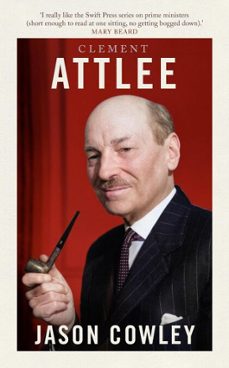
Labours greatest ever Prime Minister is seen afresh in this concise and illuminating account. Attlees government did not simply respond to hardship; it reshaped the state, creating the NHS, extending welfare and redefining the relationship between citizen and country.As Jason Cowley, former editor of the New Statesman, attests, Attlees revolution was understated, but its effects proved enduring a reminder that long-lasting social and political change are more achievable than we often think.
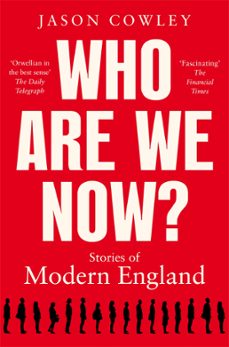
A Sunday Times Paperback of the YearJason Cowley, editor-in-chief of the New Statesman, examines contemporary England through key news stories from recent times. He reveals what they tell us about the state of the nation and to answer the question Who Are We Now?I cant tell you how refreshing it is in these polarised times to read a book on politics that doesnt have an axe to grind . . . an essential read. - The Sunday TimesSpanning the years since the election of Tony Blairs New Labour government to the aftermath of the Covid pandemic, the book investigates how England has changed and how those changes have affected us.Cowley weaves together the seemingly disparate stories of the Chinese cockle-pickers who drowned in Morecambe Bay, the East End Imam who was tested during a summer of terror, the pensioner who campaigned against the closure of her GPs surgery and Gareth Southgates transformation of English football culture. And in doing so, he shows the common threads that unite them, whether it is attitudes to class, nation, identity, belonging, immigration, or religion.He also examines the so-called Brexit murder in Harlow, the haunting repatriation of the fallen in the Iraq and Afghan wars through Wootton Bassett, the Lancashire woman who took on Gordon Brown, and the flight of the Bethnal Green girls to Islamic State. Fleshing out the headlines with the very human stories behind them.Through these vivid and often moving stories, Cowley offers a clear and compassionate analysis of how and why England became so divided and the United Kingdom so fragmented, and how we got to this cultural and political crossroads. Most importantly, he also shows us the many ways in which there is genuine hope for the future.