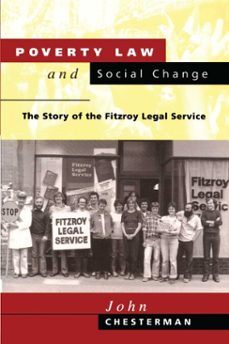
Law for the Poor and Lawyers for the People declared the headlines that announced the opening of the Fitzroy Legal Service in December 1972. In a dingy town-hall basement in one of the poorest suburbs of Melbourne, this new legal service set out to do the unthinkable: to provide free legal advice to all comers. Almost a quarter of a century later, under an equally radical Liberal government, the Fitzroy Legal Service has found itself cast in the unlikely role of a defender of the status quo against reforms that threaten judicial independence and restrict the availability of legal aid. John Chesterman traces the evolution of the Fitzroy Legal Service from a thorn in the side of the legal profession to a valued contributor to legal debate. In this process, he provides an entertaining and perceptive account of the forces that have prompted legal reform in Australia from the early 1970s, particularly in the development of legal aid.
During our first century as a nation, citizenshipfor a majority of Australianshas meant the enjoyment of progressive political, social, economic and legal rights. Yet many groups in our society have been denied the usual benefits of citizenship, including; the vote; equality before the law; freedom of speech, religion and movement; health care; education and a minimum wage.Unlike that of the United States of America, Australias constitution provides no definition of the rights and obligations of its citizens. John Chesterman and Brian Galligan have searched Commonwealth and State legislation, parliamentary debates, law reports, official correspondence, United Nations conventions and works of historical scholarship, and provide surprising evidence to show that the concept of citizenship in Australia is an elusive but crucial one.It pervades Australian politics, and has determined the course of individual lives in many different areas, including female suffrage, the White Australia Policy, compulsory voting, Aboriginal rights, equal pay, sex discrimination, wartime internment and Menzies attempt to ban the Communist Party.In Defining Australian Citizenship they reveal, for the first time, the complexity of Australian legislation as it has tried, over the years, to accommodate changing ideas about exactly what citizenship entails and who is, or is not, eligible for it.