
 Librerías
 Imprescindibles 
Más vendidos Libros más vendidos eBooks más vendidos Categorías más vendidas Libros más buscados Todos los libros Todos los libros Autores destacados Nuestros catálogos Series y sagas Blog
Recomendados Libros recomendados Clásicos imprescindibles Libros que inspiran Mens sana in corpore sano Booktokers Pelis y series Actualidad Premios
Novedades Novedades libros Novedades infantiles Novedades ebooks Próximos lanzamientos libros Próximos lanzamientos eBooks
Promociones Sorteos Libros desde 2,95€ eBooks hasta 80% descuento Ediciones especiales Libros firmados
Feliz Día de la Madre
eReader Vivlio Light HD Color con 15 € dto.
Ficción 
Literatura Contemporánea Libros de bolsillo Clásicos Poesía Teatro Cuentos Literatura en otros idiomas Estudios literarios
Géneros literarios Novela romántica y erótica Novela negra Novela histórica Narrativa fantástica Novela de ciencia ficción Novela de terror Narrativa de humor Narrativa de viajes
Imprescindibles de ficción Novedades de ficción Los más leídos de ficción Recomendados de ficción Autores destacados David Uclés Sarah J. Maas Brandon Sanderson Sagas literarias La asistenta La saga de los longevos Saga Powerless
Libros para el Día de la Madre
Regala historias inolvidables para celebrar el Día de la Madre



No Ficción
Ciencias y tecnología Biología Ciencias Ciencias naturales Divulgación científica Informática Ingeniería Matemáticas Medicina Salud y dietas Filología Biblioteconomía Estudios filológicos Estudios lingüísticos Estudios literarios Historia y crítica de la Literatura
Humanidades Autoayuda y espiritualidad Ciencias humanas Derecho Economía y Empresa Psicología y Pedagogía Filosofía Sociología Historia Arqueología Biografías Historia de España Historia local de España Historia Universal Historia por países
Arte Arquitectura Cine Diseño y moda Fotografía Historia del arte Música Pintores y escultores Estilo de vida Libros de Cocina Guías de viaje Narrativa de viajes Deportes Libros de Juegos Manualidades

Infantil Ver más
Infantil Infantil de 0 a 2 años Infantil de 3 a 4 años Infantil de 5 a 6 años Infantil de 7 a 9 años Infantil de 10 a 12 años Infantil en otros idiomas Libros infantiles en inglés Libros infantiles en francés
Cómic y manga infantil Cómic infantil Manga infantil - Kodomo Papelería y regalo infantil Juegos educativos Juegos clásicos Juegos de cartas Djeco Puzzles Se habla de... Dejar el pañal Aprender a leer Mitología Cambio climático El universo
Imprescindibles infantiles Los más vendidos Recomendados Novedades Series infantiles Personajes Ovejita que vino a cenar Magic animals Cazamisterios Secreto de bruja Me llamo Goa Enzo Brown Crónicas de Narnia
Feliz Día de la Madre
El mejor regalo para la mejor

Juvenil 
#JóvenesLectores Narrativa juvenil Clásicos adaptados Libros Wattpad Libros Booktok Libros de influencers Libros de Youtubers Libros Spicy juveniles Libros LGTBIQ+ Temas sociales Libros ciencia ficción Libros de acción y aventura Cómic y Manga Juvenil Cómic Juvenil Manga Shonen Manga Shojo
Libros de fantasía Cozy Fantasy Dark academia Hadas y Fae Romantasy Royal Fantasy Urban Fantasy Vampiros y hombres lobo Otros Misterio y terror Cozy Mistery Policiaca Spooky Terror Thriller y suspense Otros
Libros románticos y de amor Dark Romance Clean Romance Cowboy Romance Mafia y amor Romance dramatico Romcom Sport Romance Otros Clichés Enemies to Lovers Friends to Lovers Hermanastros Slow Burn Fake Dating Triángulo amoroso
Imprescindibles Juvenil Los más vendidos Recomendados Novedades Sagas Juveniles Powerless Los chicos Tommen Culpables Twisted Autores destacados Jennifer L. Armentrout Eloy Moreno Nerea Llanes Hannah Nicole Maehrer
Métodos de idiomas
¿Qué idioma estás aprendiendo?
Cómic y Manga 
Novela gráfica Novela gráfica americana Novela gráfica europea Novela gráfica de otros países Personajes, series y sagas Series y sagas Superhéroes Cómics DC Cómics Marvel Cómics otros superhéroes
Cómics Libros de ilustración Cómic de humor Cómic erótico Historia y técnica Cómic infantil y juvenil Cómic infantil Cómic juvenil Juegos y merchandising Libros de juegos de rol Juegos Figuras
Dragon ball
¡La aventura te espera! Completa tu colección de Dragon Ball
Books in English 
Books in English Fiction Non Fiction Comic Teen & Young Adult Main Authors Ken Follett Agatha Christie Stephen King Jane Austen Maggie O’Farrell
Books in English for Young Adults Age 13+ Age 15+ Young Adult Authors Rebecca Yarros Sarah J. Maas Brandon Sanderson Ali Hazelwood Alice Oseman
Books in English for Kids Age 0-2 Age 3-4 Age 5-6 Age 7-9 Age 10-12 eBooks Fiction Non Fiction On sale
Mate
The global bestseller and TikTok sensation


Llibres en català 
Llibres en català Més venuts Recomanats Novetats Categories principals Literatura Història C. humanes Autoajuda Juvenil
Infantils 0-2 any 3-4 anys 5-6 anys 7-9 anys 10-12 anys Recomanats infantils Llibres de text Lectures precriptives
eBooks Novetats Autors Albert Sánchez Piñol Regina Rodríguez Sirvent Sílvia Soler Gil Pratsobrerroca Editorial del mes Barcanova Ofertes
Dia de la Mare
Tenim els millors regals per a mamà


eBooks/Audiolibros 
Literatura en eBook Contemporánea Narrativa fantástica Novela de ciencia ficción Novela de terror Novela histórica Novela negra Novela romántica y erótica Literatura en otros idiomas Juvenil en eBook Fantasía y magia Romance y amor Misterio y terror Temas sociales Infantil en eBook eBooks infantiles
Ciencia y tecnología en eBook Ciencias naturales Divulgación científica Medicina Salud y dietas Filología en eBook Humanidades en eBook Autoayuda y espiritualidad Ciencias humanas Política Derecho Economía y Empresa Historia en eBook Arte en eBook Estilo de vida en eBook Cocina
Imprescindibles en eBook Más vendidos Recomendados Novedades Ediciones especiales Promociones Más buscados Próximos lanzamientos eBooks firmados eReader Vivlio Vivlio Light HD Color Vivlio Light 6 Vivlio Inkpad 4 Cómo leer un eBook Apps Casa del Libro App Casa del Libro
Disfruta los audiolibros 🎧
Los mejores audiolibros en Casa del Libro



Papelería Ver más
Agendas y calendarios Agendas escolares Agendas 2026 Calendarios 2026 Juegos y puzles Juegos de mesa Juegos de cartas Juegos clásicos Juegos educativos Juegos experto Manualidades Puzles Bolsas y Tote bag Bolsas de tela Bolsas Casa del Libro
Accesorios de escritorio Cuadernos y libretas Material de escritura Bolígrafos borrables Estuches Carpetas Postales Papel de regalo Otros Merchandising Figuras Menaje Papelería Mr. Wonderful Tantanfan
Accesorios de lectura Marcapáginas Lámparas de lectura Fundas de libros Atriles Gafas Otros Regalos Regalos de literatura Tarjeta regalo eReader Vivlio Vivlio Light HD Color Vivlio Light 6 Vivlio Inkpad 4 Cómo leer un eBook
eReader Vivlio Light Color
15 euros de descuento


MOSES ISEGAWA
Recibe novedades de MOSES ISEGAWA directamente en tu email
Filtros
Del 1 al 6 de 6

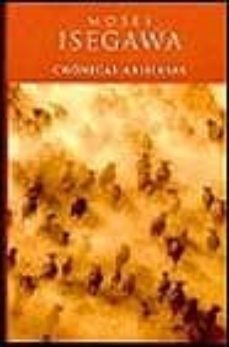

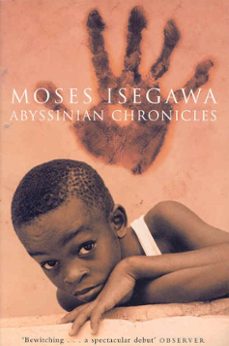
Picador 9781447211518
Set in a tribal village during the years of the Idi Amin terror in Uganda, Abyssinian Chronicles takes us into the heart of Africa, vividly immersing us in the mesmerizing extremes of beauty and brutality, wisdom and ignorance, wealth and poverty, hope and despair that define the continent today. We come to intimately know an extended family rich in centuries-old tradition, and follow the unsentimental education of the boy who takes it all in, who learns, observes and teaches, and starts to feel the very earth moving under the African experience and the people he loves. Filled with extraordinary characters, animated by a wicked sense of humour and guided by intense, clear-eyed compassion, this novel feels at once classic and unique. As Rushdies Midnights Children was for modern India, Abyssinian Chronicles will likely prove to be a breakthrough book for Uganda Time Out US A spectacular first novel. Epic, sprawling, brimming with life and death Elle US
Ver más
eBook
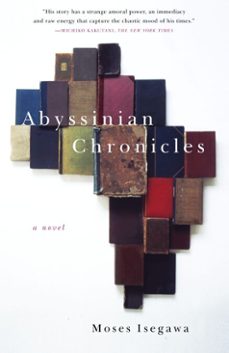
Vintage 9780307787804
Every once in a while there emerges a literary voice with the power and urgency to immerse readers deep within a previously "invisible" culture. From a young African writer who has already earned comparisons to Salman Rushdie and Gabriel Garcia Marquez comes this masterful saga of life in 20th-century Uganda.The teller of this panoramic tale is Mugezi, a quick-witted, sharp-eyed man whose life encompasses the traditional and the modern, the peaceful and the insanely violent, the despotic and the democratic. Born in a rural community in the early 1960s, he is raised by his grandfather, a deposed clan chief, and his great-aunt, or "grandmother," after his parents immigrate to the capital city of Kampala. At age nine, he leaves behind his secure life in the village to join his parents and siblings in the city, where he is first exposed to the despotism and hardship that he will contend with in the years to come.The nightmare reign of Idi Amin and its chaotic aftermath are the backdrop to Mugezis troubled coming-of-age: his constant struggle with his harsh mother and austere father; his years spent as caregiver to his parents ever-growing brood of children; his sojourn in a horrifically repressive Catholic seminary. He goes to work as a high school teacher, becomes enmeshed in a tragic romance, finds himself drawn into a dubious, potentially dangerous alliance with the military after Amins fall and witnesses the widespread ravages of the AIDS virus. Finally, sickened by personal loss and national tragedy, he manages to immigrate to Amsterdam.The details of Mugezis life provide a foundation for Isegawas brilliant and profoundly illuminating portrait of the contemporary, postcolonial African experience. Filled with extraordinary characters, animated by a wicked sense of humor and guided by an intense yet clear-eyed compassion, Abyssianian Chronicles is our introduction to a superlative new writer.
Ver más
eBook
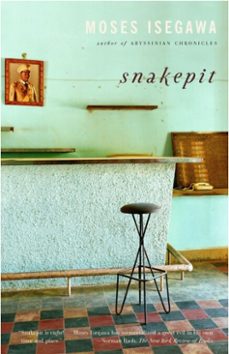
Vintage 9780307427816
Praised on both sides of the Atlantic as well as in the authors native Uganda, Moses Isegawas first novel Abyssinian Chronicles was a big, transcendently ambitious book (Boston Globe) that blasts open the tidy borders of the conventional novel and redraws the literary map to reveal a whole new world (Elle).In Snakepit, Isegawa returns to the surreal, brutalizing landscapes of his homeland during the time of dictator Idi Amin, when interlocking webs of emotional cruelty kept tyrants gratified and servants cooperative, a land where no onenot husbands or wives, parents or loversis ever safe from the implacable desires of men in power. Men like General Bazooka, who rues the day he hired Cambridge-educated Bat Katanga as his Bureaucrat Twoa man too good at his joband places in his midst (and his bed) a seductive operative named Victoria, whose mission and motives are anything but simple. Ambitious and acquisitive, more than a little arrogant, Katanga finds himself steadily boxed in by events spiraling madly out of control, where deception, extortion, and murder are just so many cards to be played.
Ver más
eBook
Del 1 al 6 de 6