One of the worlds most respected psychiatrists provides a much-needed new evolutionary framework for making sense of mental illnessWith his classic book Why We Get Sick, Randolph Nesse established the field of evolutionary medicine. Now he returns with a book that transforms our understanding of mental disorders by exploring a fundamentally new question. Instead of asking why certain people suffer from mental illness, Nesse asks why natural selection has left us with fragile minds at all.Drawing on revealing stories from his own clinical practice and insights from evolutionary biology, Nesse shows how negative emotions are useful in certain situations, yet can become excessive. Anxiety protects us from harm in the face of danger, but false alarms are inevitable. Low mood prevents us from wasting effort in pursuit of unreachable goals, but it often escalates into pathological depression. Other mental disorders, such as addiction and anorexia, result from the mismatch between modern environments and our ancient human past. Taken together, these insights and many more help to explain the pervasiveness of human suffering, and show us new paths for relieving it.Good Reasons for Bad Feelings will fascinate anyone who wonders how our minds can be so powerful, yet so fragile, and how love and goodness came to exist in organisms shaped to maximize Darwinian fitness.
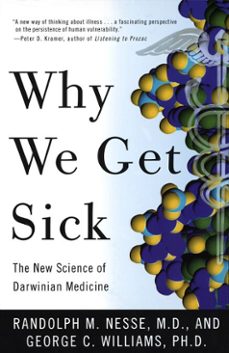
The next time you get sick, consider this before picking up the aspirin: your body may be doing exactly what its supposed to. In this ground-breaking book, two pioneers of the science of Darwinian medicine argue that illness as well as the factors that predispose us toward it are subject to the same laws of natural selection that otherwise make our bodies such miracles of design. Among the concerns they raise:When may a fever be beneficial?Why do pregnant women get morning sickness?How do certain viruses "manipulate" their hosts into infecting others?What evolutionary factors may be responsible for depression and panic disorder?Deftly summarizing research on disorders ranging from allergies to Alzheimers, and form cancer to Huntingtons chorea, Why We Get Sick, answers these questions and more. The result is a book that will revolutionize our attitudes toward illness and will intrigue and instruct lay person and medical practitioners alike.
A new approach to mental disorder Randolph Nesse s insightful book suggests that conditions such as anxiety and depression have a clear evolutionary purpose This intriguing book turns some age old questions about the human condition upside down Tim Adams ObserverOne of the world s most respected psychiatrists provides a much needed new evolutionary framework for making sense of mental illnessWith his classic book Why We Get Sick Randolph Nesse established the field of evolutionary medicine Now he returns with a book that transforms our understanding of mental disorders by exploring a fundamentally new question Instead of asking why certain people suffer from mental illness Nesse asks why natural selection has left us with fragile minds at all Drawing on revealing stories from his own clinical practice and insights from evolutionary biology Nesse shows how negative emotions are useful in certain situations yet can become excessive Anxiety protects us from harm in the face of danger but false alarms are inevitable Low mood prevents us from wasting effort in pursuit of unreachable goals but it often escalates into pathological depression Other mental disorders such as addiction and anorexia result from the mismatch between modern environments and o