El lo jong és una antiga pràctica budista que consisteix a exercitar la ment per tal que aprenguem a no estar tan centrats en els nostres pensaments i les nostres emocions. Ringu Tulku, una de les gr
En un temps de desconcert, el budisme ha interessat i seduït molts occidentals, però per a la gran majoria continua essent obscur i inaccessible. Amb el desig destablir ponts de comunicació entre cu
En un tiempo de desconcierto y crisis de valores, el budismo ha interesado y seducido a muchos occidentales, si bien para la gran mayoría continúa siendo oscuro e inaccesible. Con el deseo de establecer puentes de comunicacion entre culturas para el crecimiento espiritual, Ringu Tulku Rimpotche se dirige a los occidentales con un lenguaje llano y nada dogmatico, inspirado en imagenes que lo acercan a nuestra experiencia cotidiana, aunque no por ello dejan de resultar de una gran belleza y una finura sorprendente. A partir de los textos fundamentales, nos guia paso a paso en el camino hacia el Despertar, para que descubramos los principios de la via contemplativa y filosofica del budismo tal como se practica en el Tibet, y para que esto permita armonizar en nuestra vida una verdadera transformacion interior.
The Tibetan Buddhist teachings on the freedom that comes from perceiving the emptiness of all phenomenateachings known collectively by the name Mahamudraare presented here with remarkable clarity through commentary on a twelfth-century text. The text is "Gampopas Great Teachings to the Assembly," by Gampopa, the foremost disciple of the legendary figure Milarepa and founder of Tibetan Buddhisms Kagyu school. The commentary is by Ringu Tulku Rinpoche, a contemporary teacher of deep learning and profound practice with a remarkable gift for presenting these traditional teachings in a way that is accessible to Western hearts and minds.Gampopa in his teaching combined the general Mahayana teachings he received from the Kadampa tradition of Atisha with the quintessential Vajrayana teachings, which he received from his teacher, Milarepa. These became the basis of the Kagyu lineage teachings that he founded. This particular text, which includes both Mahayana and Vajrayana teachings, is representative of the classic teachings of the Kagyu tradition in general.
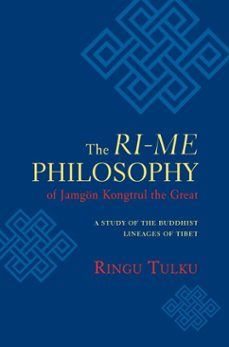
This compelling study of the Ri-me movement and of the major Buddhist lineages of Tibet is comprehensive and accessible. It includes an introduction to the history and philosophy of the Ri-me movement; a biography of the movements leader, the meditation master and philosopher known as Jamgon Kongtrul the Great; helpful summaries of the eight lineages practice-and-study systems, which point out the different emphases of the schools; an explanation of the most hotly disputed concepts; and an overview of the old and new tantras.Jamgon Kongtrul the Great (18131899) is a giant in Tibetan history, renowned for his scholarly and meditative achievements, but also for his energetic yet evenhanded work to unify and strengthen the different lineages of Buddhism. The Ri-me movement, led by Kongtrul and several other leading scholars of the time, was a unifying effort to cut through interscholastic divisions and disputes that were occurring between the different lineages. These leaders sought appreciation of the differences and acknowledgment of the importance of variety in benefiting practitioners with different needs. The Ri-me teachers also took great care that the teachings and practices of the different schools and lineages, and their unique styles, did not become confused with one another. This lucid survey of the Ri-me movement will be of interest to serious scholars and practitioners of Tibetan Buddhism.
Daring Steps stands out among the multitude of books on Tibetan Buddhism as being a uniquely accessible overview of the Buddhist path that encompasses all three yanas, or traditional Buddhist spiritual paths. Ringu Tulkurenowned for both his insight and approachable styleconsistently brings the teachings back to the readers own experience as he reveals the vital role of each path in the attainment of genuine realization. This book draws on several venerable sources, among them the Buddhas earliest teachings, and a Vajrayana text by the yogi known as Crazy Khyentse. The author takes us from the most basic meditation practice to the rarefied realm of Mahamudra, touching on a dazzling range of teachings and techniques along the way. This lively presentation will be welcomed as both a trustworthy introduction for the beginning student and an indispensable reference for practitioners at every stage of the path.