
 Librerías
 Imprescindibles 
Más vendidos Libros más vendidos eBooks más vendidos Categorías más vendidas Libros más buscados Todos los libros Todos los libros Autores destacados Nuestros catálogos Series y sagas Blog
Recomendados Libros recomendados Clásicos imprescindibles Libros que inspiran Mens sana in corpore sano Booktokers Pelis y series Actualidad Premios
Novedades Novedades libros Novedades infantiles Novedades ebooks Próximos lanzamientos libros Próximos lanzamientos eBooks
Promociones Sorteos Libros desde 2,95€ eBooks hasta 80% descuento Ediciones especiales Libros firmados
Lanzamientos del mes
Las novedades más esperadas
Ficción 
Literatura Contemporánea Libros de bolsillo Clásicos Poesía Teatro Cuentos Literatura en otros idiomas Estudios literarios
Géneros literarios Novela romántica y erótica Novela negra Novela histórica Narrativa fantástica Novela de ciencia ficción Novela de terror Narrativa de humor Narrativa de viajes
Imprescindibles de ficción Novedades de ficción Los más leídos de ficción Recomendados de ficción Autores destacados David Uclés Sarah J. Maas Brandon Sanderson Sagas literarias La asistenta La saga de los longevos Saga Powerless
Autora del mes
Descubre todos los libros de Elísabet Benavent



No Ficción
Ciencias y tecnología Biología Ciencias Ciencias naturales Divulgación científica Informática Ingeniería Matemáticas Medicina Salud y dietas Filología Biblioteconomía Estudios filológicos Estudios lingüísticos Estudios literarios Historia y crítica de la Literatura
Humanidades Autoayuda y espiritualidad Ciencias humanas Derecho Economía y Empresa Psicología y Pedagogía Filosofía Sociología Historia Arqueología Biografías Historia de España Historia local de España Historia Universal Historia por países
Arte Arquitectura Cine Diseño y moda Fotografía Historia del arte Música Pintores y escultores Estilo de vida Libros de Cocina Guías de viaje Narrativa de viajes Deportes Libros de Juegos Manualidades



Infantil 
Infantil Infantil de 0 a 2 años Infantil de 3 a 4 años Infantil de 5 a 6 años Infantil de 7 a 9 años Infantil de 10 a 12 años Infantil en otros idiomas Libros infantiles en inglés Libros infantiles en francés
Cómic y manga infantil Cómic infantil Manga infantil - Kodomo Papelería y regalo infantil Juegos educativos Juegos clásicos Juegos de cartas Djeco Puzzles Se habla de... Dejar el pañal Aprender a leer Fútbol Cambio climático El universo
Imprescindibles infantiles Los más vendidos Recomendados Novedades Series infantiles Personajes Ovejita que vino a cenar Magic animals Cazamisterios Secreto de bruja Me llamo Goa Enzo Brown Crónicas de Narnia
Personaje del mes
Las aventuras de Perro Apestoso
Juvenil 
#JóvenesLectores Narrativa juvenil Clásicos adaptados Libros Wattpad Libros Booktok Libros de influencers Libros de Youtubers Libros Spicy juveniles Libros LGTBIQ+ Temas sociales Libros ciencia ficción Libros de acción y aventura Cómic y Manga Juvenil Cómic Juvenil Manga Shonen Manga Shojo
Libros de fantasía Cozy Fantasy Dark academia Hadas y Fae Romantasy Royal Fantasy Urban Fantasy Vampiros y hombres lobo Otros Misterio y terror Cozy Mistery Policiaca Spooky Terror Thriller y suspense Otros
Libros románticos y de amor Dark Romance Clean Romance Cowboy Romance Mafia y amor Romance dramatico Romcom Sport Romance Otros Clichés Enemies to Lovers Friends to Lovers Hermanastros Slow Burn Fake Dating Triángulo amoroso
Imprescindibles Juvenil Los más vendidos Recomendados Novedades Sagas Juveniles Powerless Los chicos Tommen Culpables Twisted Autores destacados Jennifer L. Armentrout Eloy Moreno Nerea Llanes Hannah Nicole Maehrer
Autora juvenil del mes
Descubre todos los libros de Mercedes Ron
Cómic y Manga 
Novela gráfica Novela gráfica americana Novela gráfica europea Novela gráfica de otros países Personajes, series y sagas Series y sagas Superhéroes Cómics DC Cómics Marvel Cómics otros superhéroes
Cómics Libros de ilustración Cómic de humor Cómic erótico Historia y técnica Cómic infantil y juvenil Cómic infantil Cómic juvenil Juegos y merchandising Libros de juegos de rol Juegos Figuras
Dragon ball
¡La aventura te espera! Completa tu colección de Dragon Ball


Books in English 
Books in English Fiction Non Fiction Comic Teen & Young Adult Main Authors Ken Follett Agatha Christie Stephen King Jane Austen Maggie O’Farrell
Books in English for Young Adults Age 13+ Age 15+ Young Adult Authors Rebecca Yarros Sarah J. Maas Brandon Sanderson Ali Hazelwood Alice Oseman
Books in English for Kids Age 0-2 Age 3-4 Age 5-6 Age 7-9 Age 10-12 eBooks Fiction Non Fiction On sale
Mate
The global bestseller and TikTok sensation


Llibres en català 
Llibres en català Més venuts Recomanats Novetats Categories principals Literatura Història C. humanes Autoajuda Juvenil
Infantils 0-2 any 3-4 anys 5-6 anys 7-9 anys 10-12 anys Recomanats infantils Llibres de text Lectures precriptives
eBooks Novetats Autors Albert Sánchez Piñol Regina Rodríguez Sirvent Sílvia Soler Gil Pratsobrerroca Editorial del mes Barcanova Ofertes
Personatge del mes
Descobreix les aventures de Gos Pundet



eBooks/Audiolibros 
Literatura en eBook Contemporánea Narrativa fantástica Novela de ciencia ficción Novela de terror Novela histórica Novela negra Novela romántica y erótica Literatura en otros idiomas Juvenil en eBook Fantasía y magia Romance y amor Misterio y terror Temas sociales Infantil en eBook eBooks infantiles
Ciencia y tecnología en eBook Ciencias naturales Divulgación científica Medicina Salud y dietas Filología en eBook Humanidades en eBook Autoayuda y espiritualidad Ciencias humanas Política Derecho Economía y Empresa Historia en eBook Arte en eBook Estilo de vida en eBook Cocina
Imprescindibles en eBook Más vendidos Recomendados Novedades Ediciones especiales Promociones Más buscados Próximos lanzamientos eReader Vivlio Vivlio Light HD Color Vivlio Light 6 Vivlio Inkpad 4 Cómo leer un eBook Apps Casa del Libro App Casa del Libro
Disfruta los audiolibros 🎧
Los mejores audiolibros en Casa del Libro



Papelería 
Agendas y calendarios Agendas escolares Agendas 2026 Calendarios 2026 Juegos y puzles Juegos de mesa Juegos de cartas Juegos clásicos Juegos educativos Juegos experto Manualidades Puzles Bolsas y Tote bag Bolsas de tela Bolsas Casa del Libro
Accesorios de escritorio Cuadernos y libretas Material de escritura Bolígrafos borrables Estuches Carpetas Postales Papel de regalo Otros Merchandising Figuras Menaje Papelería Mr. Wonderful Tantanfan
Accesorios de lectura Marcapáginas Lámparas de lectura Fundas de libros Atriles Gafas Otros Regalos Regalos de literatura Tarjeta regalo eReader Vivlio Vivlio Light HD Color Vivlio Light 6 Vivlio Inkpad 4 Cómo leer un eBook
eReaders Vivlio
Descubre los mejores eReaders


SEAN CUBITT
Recibe novedades de SEAN CUBITT directamente en tu email
Filtros
Del 1 al 4 de 4

DUKE UNIVERSITY PRESS 9780822362920
Sean Cubitt offers a large scale rethinking of theories of mediation by describing the ecological footprint of media He investigates the energy material and space needed to create operate and dispose of electronic devices and shows how changing how we use media is the only solution to planetary devastation
Ver más
Tapa blanda
Goldsmiths Press 9781913380632
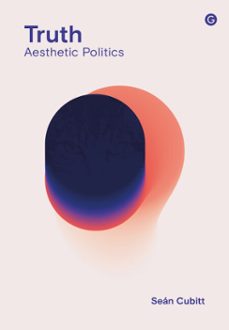
Ecologies of truth in a post-truth era.The problem with Neo-Nazis is not that they dont trust the media but that they trust them too much. White supremacists are absolutely convinced by their supremacy. They distrust technologies and climate change as much as the global poor because, as white Europeans, they believe they are exempt from exploitation. This book argues that the only truths possible in the 21st century are mobile, inventive practices involving everything European models of communication exclude: technologies, nature, and leftover humanity. Tracing histories of their separation, Truth analyzes the struggle between the new dominance of information systems and the sensory worlds it excludes, not least the ancestral wisdom that the West has imprisoned in its technologies. The emergent cybernetics of the 1940s has become the dominant ideology of the 21st century. Truth opposes its division of the world between subjects and objects, signals and noise, emphasizing that there can be no return to some primal Eden of unfettered exchange. Instead, these divisions, which have fundamentally reorganized the commodity form that they inherited, are the historical conditions we must confront. Drawing on a wide range of aesthetic practices, from literature, film, art, music, workplace media, scientific instruments, and animal displays, Truth seeks out ways to create a new commons and a new politics grounded in aesthetic properties of creativity, senses and perception that can no longer be restricted to humans alone.
Ver más
eBook

Goldsmiths Press 9781915983312
What is the good lifefor me, for us, for the cosmos?Good is an ecocritical enquiry into ethical and political dimensions of aesthetics. Following Aristotles lead, it starts with ethics as the question concerning what is the good life for me, moving on to politics as the good life for us. Like Aristotle, between ethics and politics it inserts the question of the good life for you and methe question of love. In the endwhich is where we all live todayit goes beyond Aristotles human-centred approach, insisting that the good life cannot be thought or lived without including technologies and ecologies. A truly cosmopolitan politics is a politics of the cosmos. Learning from indigenous cultures, it speaks from and with nature and machines in the form of gods and ancestors. Packed with examples from banking apps to cave art, economic manifestos to cookery, passing through music, painting, poetry, and film, the book evokes critical traditions from across the world to present a lucid and accessible case for decolonial and ecocritical aesthetics.
Ver más
eBook
Del 1 al 4 de 4