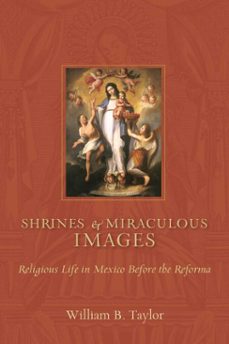
Los ensayos de este libro, escritos por el historiador William B. Taylor, se ocupan primordialmente del centro y oeste de México durante el siglo XVIII, pero con la intención de trascender los deslindes acostumbrados de region y tiempo para ahondar en la naturaleza de los procesos sociales y politicos abordados. Los estudios muestran un analisis sinoptico al centrarse en personas y lugares que juegan el papel de intermediarios: individuos y sitios que representan puentes entre lo global y lo local, lo central y lo periferico. El autor ha querido comprender cambios locales complejos, influidos tanto por factores inmediatos como por directrices y logicas coloniales.
Primer volumen. De nueva cuenta el mundo rural, el universo indígena novohispano de dos inmensas diócesis. El resultado es una emocionante, conmovedora aventura en la que nos sumergimos en un mundo hasta ahora practicamente solo imaginado. Sin tregua, dando cuenta de cada afirmacion, anotando cada hecho, de un solo golpe Taylor llena un hueco historiografico tan vasto como la historiografia misma. Esta se ha de convertir en lectura obligada, inevitable, de interes por el pasado del pueblo mexicano: un clasico.
Segundo volumen. De nueva cuenta el mundo rural, el universo indígena novohispano de dos inmensas diócesis. El resultado es una emocionante, conmovedora aventura en la que nos sumergimos en un mundo hasta ahora practicamente solo imaginado. Sin tregua, dando cuenta de cada afirmacion, anotando cada hecho, de un solo golpe Taylor llena un hueco historiografico tan vasto como la historiografia misma. Esta se ha de convertir en lectura obligada, inevitable, de interes por el pasado del pueblo mexicano: un clasico.
The vast literature on Our Lady of Guadalupe dominates the study of shrines and religious practices in Mexico. But there is much more to the story of shrines and images in Mexicos religious history than Guadalupe and Marian devotion. In this book a distinguished historian brings together his new and recent essays on previously unstudied or reconsidered places, themes, patterns, and episodes in Mexican religious history during the seventeenth, eighteenth, and nineteenth centuries.William Taylor explores the use of local and regional shrines as well as devotion to images of Christ and Mary, including Our Lady of Guadalupe, to get to the heart of the politics and practices of faith in Mexico before the Reforma. Each of these essays touches on methodological and conceptual matters that open out to processes and paradoxes of change and continuity, exposing the symbolic complexity behind the material representations.
Miracles, signs of divine presence and intervention, have been esteemed by Christians, especially Catholic Christians, as central to religious belief. During the second half of the eighteenth century, Spains Bourbon dynasty sought to tighten its control over New World colonies, reform imperial institutions, and change the role of the church and religion in colonial life. As a result, miracles were recognized and publicized sparingly by the church hierarchy, and colonial courts were increasingly reluctant to recognize the events. Despite this lack of official encouragement, stories of amazing healings, rescues, and acts of divine retribution abounded throughout Mexico.Consisting of three rare documents about miracles from this period, each accompanied by an introductory essay, this study serves as a source book and complement to the authors Shrines and Miraculous Images: Religious Life in Mexico Before the Reforma.