Librerías






























 Leer primeras páginas
 📱 eBook en inglés LAWS
9791221353358
Sinopsis de LAWS
Scholars generally agree that Plato wrote this dialogue as an older man, having failed in his effort to guide the rule of the tyrant Dionysius I of Syracuse, instead having been thrown in prison. These events are alluded to in the Seventh Letter. The text is noteworthy as Platos only undisputed dialogue not to feature Socrates.
Unlike most of Platos dialogues, Socrates does not appear in the Laws: the dialogue takes place on the island of Crete, and Socrates appears outside of Athens in Platos writings only twice, in the Phaedrus, where he is just outside the citys walls, and in the Republic, where he goes down to the seaport Piraeus five miles outside of Athens. The conversation is instead led by an Athenian Stranger (Greek: ξ?νος, romanized: xenos) and two other old men, the ordinary Spartan citizen Megillos and Cleinias of Crete, from Knossos.
The Athenian Stranger, who resembles Socrates but whose name is never mentioned, joins the other two on their religious pilgrimage from Knossos to the cave of Zeus.
The entire dialogue takes place during this journey, which mimics the action of Minos: said by the Cretans to have made their ancient laws, Minos walked this path every nine years in order to receive instruction from Zeus on lawgiving. It is also said to be the longest day of the year, allowing for the densely packed twelve chapters.










Léelo en cualquier dispositivo

iPhone y iPad
Descarga la App de lectura Vivlio Casa del Libro para IOS. Es gratuita y está disponible tanto para iPhone como para iPad.
Android
Descarga la App de lectura Vivlio Casa del Libro para Android. Es gratuita y está disponible tanto para móvil como para tablet.

Tu navegador
Puedes leer los eBooks directamente con nuestro visor online, accediendo a nuestra web desde tu móvil o tu ordenador, sin necesidad de descargar nada. Accede a tu área de usuario y empieza a leer.

eReader Vivlio Casa del Libro
Disfruta de la sensación de un libro físico, pero con las ventajas de un libro digital. Puedes comprar tu eReader Vivlio Casa del Libro aquí.
Empezar a utilizarlo es muy fácil, solo tienes que sincronizar la biblioteca con tu usuario y contraseña y a disfrutar de la lectura.

Otros eReaders*
Puedes conectar tu eReader a tu ordenador y enviar el libro al dispositivo utilizando Adobe Digital Editions.
* Los eReaders de Amazon (Kindle) solo permiten libros de su propia tienda, por lo que no son compatibles.

Ficha técnica
ISBN: 9791221353358
Idioma: Inglés
Fecha de lanzamiento: 01/06/2022
Especificaciones del producto
Escrito por Platón
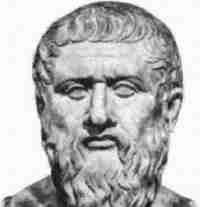
Platón (Atenas, 427 - 347 a. C.) fue un filósofo griego que, junto a su maestro Sócrates y su discípulo Aristóteles, es considerado uno de los grandes pensadores de la tradición filosófica europea. La obra de Platón, radicalmente novedosa en su elaboración lógica y literaria, estableció una serie de constantes y problemas que marcaron el pensamiento occidental más allá de su influencia inmediata, que se dejaría sentir tanto entre los paganos (el neoplatonismo de Plotino) como en la teología cristiana, fundamentada en gran medida por San Agustín. Nacido en el seno de una familia aristocrática, Platón abandonó su inicial vocación política y sus aficiones literarias por la filosofía, atraído por Sócrates. Fue su discípulo durante veinte años y se enfrentó abiertamente a los sofistas (Protágoras, Gorgias). Tras la condena a muerte de Sócrates (399 a. C.), huyó de Atenas y se apartó completamente de la vida pública; no obstante, los temas políticos ocuparon siempre un lugar central en su pensamiento, y llegó a concebir un modelo ideal de Estado. En el año 387 fundó una escuela de filosofía, situada en las afueras de Atenas, junto al jardín dedicado al héroe Academo, de donde procede el nombre de "Academia". En ella se estudiaba y se investigaba sobre todo tipo de asuntos, dado que la filosofía englobaba la totalidad del saber, hasta que paulatinamente fueron apareciendo (en la propia Academia) las disciplinas especializadas que darían lugar a ramas diferenciadas del saber, como la lógica, la ética o la física. Pervivió más de novecientos años y en ella se educaron personajes de importancia tan fundamental como Aristóteles.
Opiniones sobre LAWS (EBOOK)
¡Sólo por opinar entras en el sorteo mensual de tres tarjetas regalo valoradas en 20€*!
Los eBooks más vendidos de la semana
Ver más