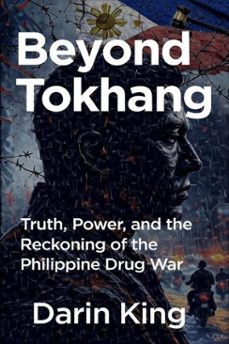
In the quiet dawn of March 2025, former Philippine President Rodrigo Duterte was arresteda once-defiant leader now bound for The Hague to face the International Criminal Court. This seismic yet subdued moment opens Beyond Tokhang: Truth, Power, and the Reckoning of the Philippine Drug War, a rigorous chronicle of one of the twenty-first centurys most divisive campaigns.Written by a part-time resident and independent observerneither activist nor outsiderthe book draws from years immersed in Philippine neighborhoods. Relying on official records, human rights reports, whistleblower accounts, and conversations with everyday Filipinos, the author presents a balanced, evidence-based account. Allegations are carefully distinguished from facts, supporters views sit alongside critics, and sensationalism is steadfastly avoided in favor of clarity and fairness.The narrative traces Dutertes rise from Davao Citys "The Punisher," where tough anti-crime measures earned both praise and early accusations of extrajudicial killings, to his 2016 presidential victory on promises to "kill them all." It examines how loyalty-based appointments, a tight inner circle, and the rise of Diehard Duterte Supporters (DDS) entrenched his power, fueled by public exhaustion with corruption, inefficiency, and rampant crime.Central to the story is Oplan Tokhang, ostensibly "knock and plead," but in practice a decentralized campaign of lethal force. Opaque watchlists, nighttime raids, and the repeated "nanlaban" justificationclaiming suspects fought backmask a blurred line between police operations and vigilante violence. Motorcycle-riding death squads and alleged kill quotas deepened the shadow. The toll is stark: death counts disputed between official tallies and independent estimates in the tens of thousands; high-profile youth killings like that of Kian delos Santos; disappearances; and custodial deaths amid overflowing jails. Victims were overwhelmingly urban poor, their lives upended by poverty, leaving families fractured and communities silenced by fear.The book probes deeper, linking methamphetamine addiction to structural desperation in a low-wage economy. Failed rehabilitation promises, blurred distinctions between users and dealers, and neglected prevention contrast sharply with public-health successes elsewhere, such as Portugal and Thailand. Recovery, the author argues, demands systemic compassion over punishment.A parallel war unfolded in the media: the shutdown of ABS-CBN, legal harassment of journalists, red-tagging, and a state-sponsored disinformation machine of troll farms and algorithm-driven echo chambers. Euphemisms sanitized violence while nationalism deflected foreign criticism.Global reaction laggedmuted ASEAN statements, slow UN processesuntil the ICC case, launched in 2017, survived withdrawal and culminated in arrest. Domestic probes faltered amid institutional paralysis.Today the nation remains split: regional loyalties, generational divides shaped by social media, and active revisionism threaten historical memory. The book concludes by contemplating the trial aheadits possible outcomes, needed reforms, and broader lessonswithout forecasting verdicts.In an age of contested truths, Beyond Tokhang offers an indispensable record. It insists that genuine justice is collective: a summons to remember, confront, and heal, before silence writes the final chapter on a war that profoundly scarred a people.
Ver más 
 Librerías





























![[unavailable] (ebook)-avery arbegast-9798233746123](https://imagessl3.casadellibro.com/a/l/s5/23/9798233746123.webp)