
 Librerías
 Imprescindibles 
Más vendidos Libros más vendidos eBooks más vendidos Categorías más vendidas Libros más buscados Todos los libros Todos los libros Autores destacados Nuestros catálogos Series y sagas Blog
Recomendados Libros recomendados Clásicos imprescindibles Libros que inspiran Mens sana in corpore sano Booktokers Pelis y series Actualidad Premios
Novedades Novedades libros Novedades infantiles Novedades ebooks Próximos lanzamientos libros Próximos lanzamientos eBooks
Promociones Sorteos Libros desde 2,95€ eBooks hasta 80% descuento Ediciones especiales Libros firmados
Mes del Libro
Rebelde el que lee
Ficción 
Literatura Contemporánea Libros de bolsillo Clásicos Poesía Teatro Cuentos Literatura en otros idiomas Estudios literarios
Géneros literarios Novela romántica y erótica Novela negra Novela histórica Narrativa fantástica Novela de ciencia ficción Novela de terror Narrativa de humor Narrativa de viajes
Imprescindibles de ficción Novedades de ficción Los más leídos de ficción Recomendados de ficción Autores destacados David Uclés Sarah J. Maas Brandon Sanderson Sagas literarias La asistenta La saga de los longevos Saga Powerless
Autor del mes
Descubre todos sus libros

No Ficción
Ciencias y tecnología Biología Ciencias Ciencias naturales Divulgación científica Informática Ingeniería Matemáticas Medicina Salud y dietas Filología Biblioteconomía Estudios filológicos Estudios lingüísticos Estudios literarios Historia y crítica de la Literatura
Humanidades Autoayuda y espiritualidad Ciencias humanas Derecho Economía y Empresa Psicología y Pedagogía Filosofía Sociología Historia Arqueología Biografías Historia de España Historia local de España Historia Universal Historia por países
Arte Arquitectura Cine Diseño y moda Fotografía Historia del arte Música Pintores y escultores Estilo de vida Libros de Cocina Guías de viaje Narrativa de viajes Deportes Libros de Juegos Manualidades


Infantil 
Infantil Infantil de 0 a 2 años Infantil de 3 a 4 años Infantil de 5 a 6 años Infantil de 7 a 9 años Infantil de 10 a 12 años Infantil en otros idiomas Libros infantiles en inglés Libros infantiles en francés
Cómic y manga infantil Cómic infantil Manga infantil - Kodomo Papelería y regalo infantil Juegos educativos Juegos clásicos Juegos de cartas Djeco Puzzles Se habla de... Dejar el pañal Aprender a leer Mitología Cambio climático El universo
Imprescindibles infantiles Los más vendidos Recomendados Novedades Series infantiles Personajes Ovejita que vino a cenar Magic animals Cazamisterios Secreto de bruja Me llamo Goa Enzo Brown Crónicas de Narnia
Serie del mes
Aprende a leer con Escuela de monstruos


Juvenil
#JóvenesLectores Narrativa juvenil Clásicos adaptados Libros Wattpad Libros Booktok Libros de influencers Libros de Youtubers Libros Spicy juveniles Libros LGTBIQ+ Temas sociales Libros ciencia ficción Libros de acción y aventura Cómic y Manga Juvenil Cómic Juvenil Manga Shonen Manga Shojo
Libros de fantasía Cozy Fantasy Dark academia Hadas y Fae Romantasy Royal Fantasy Urban Fantasy Vampiros y hombres lobo Otros Misterio y terror Cozy Mistery Policiaca Spooky Terror Thriller y suspense Otros
Libros románticos y de amor Dark Romance Clean Romance Cowboy Romance Mafia y amor Romance dramatico Romcom Sport Romance Otros Clichés Enemies to Lovers Friends to Lovers Hermanastros Slow Burn Fake Dating Triángulo amoroso
Cómic y Manga 
Novela gráfica Novela gráfica americana Novela gráfica europea Novela gráfica de otros países Personajes, series y sagas Series y sagas Superhéroes Cómics DC Cómics Marvel Cómics otros superhéroes
Cómics Libros de ilustración Cómic de humor Cómic erótico Historia y técnica Cómic infantil y juvenil Cómic infantil Cómic juvenil Juegos y merchandising Libros de juegos de rol Juegos Figuras
Dragon ball
¡La aventura te espera! Completa tu colección de Dragon Ball


Books in English 
Books in English Fiction Non Fiction Comic Teen & Young Adult Main Authors Ken Follett Agatha Christie Stephen King Jane Austen Maggie O’Farrell
Books in English for Young Adults Age 13+ Age 15+ Young Adult Authors Rebecca Yarros Sarah J. Maas Brandon Sanderson Ali Hazelwood Alice Oseman
Books in English for Kids Age 0-2 Age 3-4 Age 5-6 Age 7-9 Age 10-12 eBooks Fiction Non Fiction On sale
Mate
The global bestseller and TikTok sensation



Llibres en català 
Llibres en català Més venuts Recomanats Novetats Categories principals Literatura Història C. humanes Autoajuda Juvenil
Infantils 0-2 any 3-4 anys 5-6 anys 7-9 anys 10-12 anys Recomanats infantils Llibres de text Lectures precriptives
eBooks Novetats Autors Albert Sánchez Piñol Regina Rodríguez Sirvent Sílvia Soler Gil Pratsobrerroca Editorial del mes Barcanova Ofertes
Premis en català
No et perdis els millors premis


eBooks/Audiolibros 
Literatura en eBook Contemporánea Narrativa fantástica Novela de ciencia ficción Novela de terror Novela histórica Novela negra Novela romántica y erótica Literatura en otros idiomas Juvenil en eBook Fantasía y magia Romance y amor Misterio y terror Temas sociales Infantil en eBook eBooks infantiles
Ciencia y tecnología en eBook Ciencias naturales Divulgación científica Medicina Salud y dietas Filología en eBook Humanidades en eBook Autoayuda y espiritualidad Ciencias humanas Política Derecho Economía y Empresa Historia en eBook Arte en eBook Estilo de vida en eBook Cocina
Imprescindibles en eBook Más vendidos Recomendados Novedades Ediciones especiales Promociones Más buscados Próximos lanzamientos eBooks firmados eReader Vivlio Vivlio Light HD Color Vivlio Light 6 HD Vivlio Light 6 Vivlio Inkpad 4 Cómo leer un eBook Apps Casa del Libro App Casa del Libro
Disfruta los audiolibros 🎧
Los mejores audiolibros en Casa del Libro



Papelería 
Agendas y calendarios Agendas escolares Agendas 2026 Calendarios 2026 Juegos y puzles Juegos de mesa Juegos de cartas Juegos clásicos Juegos educativos Juegos experto Manualidades Puzles Bolsas y Tote bag Bolsas de tela Bolsas Casa del Libro
Accesorios de escritorio Cuadernos y libretas Material de escritura Bolígrafos borrables Estuches Carpetas Postales Papel de regalo Otros Merchandising Figuras Menaje Papelería Mr. Wonderful Tantanfan
Accesorios de lectura Marcapáginas Lámparas de lectura Fundas de libros Atriles Gafas Otros Regalos Regalos de literatura Tarjeta regalo eReader Vivlio Vivlio Light HD Color Vivlio Light 6 HD Vivlio Light 6 Vivlio Inkpad 4 Cómo leer un eBook
Elige tu eReader Vivlio
Descubre nuestra colección de eReaders


ANDREW LOUTH
Recibe novedades de ANDREW LOUTH directamente en tu email
Filtros
Del 1 al 3 de 3

ST MAXIM THE GREEK INSTITUTE 9791221305814
The beginning of the Roman Catholic/Orthodox Theological dialogue during the 20th century raised to some high hopes for an imminent canonical unity between the two Denominations, and this, though premature, is not of course to be blamed; it is impossible for any contemporary Christian theologian not to suffer from the division within this very womb of the ontological unification of all things, which is the Church of Christprecisely because this division gives to many the impression of a fragmentation of the Churchs very being and subsequently weakens her witness. Contents: 1. Crusades, Colonialism, and the Future Possibility Christian Unity, GEORGE E. DEMACOPOULOS, 2. Approaching the Future as a Friend Without a Wardrobe of Excuses, ADAM A.J. DEVILLE, 3. Anglicans and the Una Sancta, JONATHAN GOODALL, 3. Eucharistic Doctrine and Eucharistic Devotion, ANDREW LOUTH, 4. A Spectre Is Haunting Intercommunion, SOTIRIS MITRALEXIS, 5. The origins of an ecumenical church: links, borrowings, and inter-dependencies, THOMAS OLOUGHLIN, 6. Unity of the ChurchesAn Actual Possibility: The Rahner-Fries Theses and Contemporary Catholic-Orthodox Dialogue, EDWARD A. SIECIENSKI, 7. Schmemanns Approach to the Sacramental Life of the Church: its Orthodox Positioning, its Catholic Intent, MANUEL SUMARES
Ver más
eBook
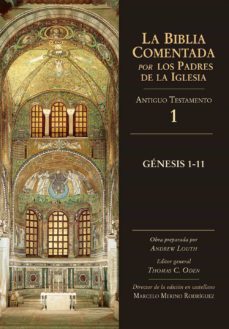
EDITORIAL CIUDAD NUEVA 9788497150330
Se trata del primer volumen de La Biblia patristica que incluye la presentación, prólogo e introducción general a toda la colección. Los primeros capítulos del Génesis han ejercido en el desarrollo d
Ver más
Tapa dura

ANDREOPOULOS, ANDREAS y LOUTH, ANDREW
ST MAXIM THE GREEK INSTITUTE 9791221306248
The underlying thought in the Winchester conference, as well as in this present volume, was to reflect on the quests, the questions, and the directions that this generation left for us, and rather than simply reminisce about that exceptional period of theological thought and creativity, to attempt an appraisal of its legacy today. Table of Contents: 1. The legacy of the Russian Diaspora: an evaluation and future directions, ANDREAS ANDREOPOULOS 2. Saint Luke Metropolitan of Simferopol as physician, surgeon and academic professor, STAVROS J. BALOYANNIS 3. Ecumenism as Civilizational Dialogue: Eastern Orthodox Anti-Ecumenism and Eastern Orthodox Ecumenism: A Creative or Sterile Antinomy?, BRANDON GALLAHER 4. A New Chapter in the History of Russian Emigre Religious Philosophy: Georges Florovskys unpublished manuscript, Russkaia filosofiia v emigratsii, PAUL L. GAVRILYUK5. Outside of God: A Theanthropic Scrutiny of Nietzsches Concept of Chaos and Berdyaevs Notion of the Ungrund, ROMILO KNEEVI? 6. Revolution, Exile and the Decline of Russian Religious Thought, PAUL LADOUCEUR 7. What is Sophia? Bulgakov, or the Biblical Trinity between Kant and Hegel, NIKOLAOS LOUDOVIKOS 8. Exile, Hospitality, Sobornost: the Experience of the Russian Emigres, ANDREW LOUTH 9. The Reception of the Theology of the Russian Diaspora by the Greek Theology of the 60s: a Case Study, SOTIRIS MITRALEXIS 10. Nicholas Zernov: Political and Historical Continuity with the Third Rome Theory in our times, DIMITRIS SALAPATAS 11. Faith and Reason in Russian Religious Thought: Sergei Bulgakov, Pavel Florensky and the contemporary debate about onto-theology and fideism, CHRISTOPH SCHNEIDER 12. The Quest for Novel Philosophy of Freedom in the Thought of Nikolai Berdyaev, Vladimir Lossky and Georges Florovsky, DIONYSIOS SKLIRIS
Ver más
eBook
Del 1 al 3 de 3