
 Librerías
 Imprescindibles 
Más vendidos Libros más vendidos eBooks más vendidos Categorías más vendidas Libros más buscados Todos los libros Todos los libros Autores destacados Nuestros catálogos Series y sagas Blog
Recomendados Libros recomendados Libros que inspiran Favoritos de nuestros libreros Booktokers. En redes también se lee Books in English Clásicos imprescindibles Pelis y series Actualidad Premios
Novedades Novedades libros Novedades infantiles Novedades ebooks Próximos lanzamientos libros Próximos lanzamientos eBooks
Promociones Sorteos Libros desde 2,95€ eBooks hasta 80% descuento Ediciones especiales Libros firmados
Lanzamientos del mes
Las novedades más esperadas
Ficción 
Literatura Contemporánea Libros de bolsillo Clásicos Poesía Teatro Cuentos Literatura en otros idiomas Estudios literarios
Géneros literarios Novela romántica y erótica Novela negra Novela histórica Narrativa fantástica Novela de ciencia ficción Novela de terror Narrativa de humor Narrativa de viajes
Imprescindibles de ficción Novedades de ficción Los más leídos de ficción Recomendados de ficción Autores destacados David Uclés Sarah J. Maas Brandon Sanderson Sagas literarias La asistenta La saga de los longevos Saga Powerless
Autora del mes
Descubre todos los libros de Sonsoles Ónega

No Ficción
Ciencias y tecnología Biología Ciencias Ciencias naturales Divulgación científica Informática Ingeniería Matemáticas Medicina Salud y dietas Filología Biblioteconomía Estudios filológicos Estudios lingüísticos Estudios literarios Historia y crítica de la Literatura
Humanidades Autoayuda y espiritualidad Ciencias humanas Derecho Economía y Empresa Psicología y Pedagogía Filosofía Sociología Historia Arqueología Biografías Historia de España Historia local de España Historia Universal Historia por países
Arte Arquitectura Cine Diseño y moda Fotografía Historia del arte Música Pintores y escultores Estilo de vida Libros de Cocina Guías de viaje Narrativa de viajes Deportes Libros de Juegos Manualidades
Infantil 
Infantil Infantil de 0 a 2 años Infantil de 3 a 4 años Infantil de 5 a 6 años Infantil de 7 a 9 años Infantil de 10 a 12 años Infantil en otros idiomas Libros infantiles en inglés Libros infantiles en francés
Cómic y manga infantil Cómic infantil Manga infantil - Kodomo Papelería y regalo infantil Juegos educativos Juegos clásicos Juegos de cartas Djeco Puzzles Se habla de... Dejar el pañal Aprender a leer Fútbol Cambio climático El universo
Imprescindibles infantiles Los más vendidos Recomendados Novedades Series infantiles Personajes Ovejita que vino a cenar Magic animals Cazamisterios Secreto de bruja Me llamo Goa Enzo Brown Crónicas de Narnia
Libros de fútbol
¡Vive la emoción del Mundial leyendo!

Juvenil 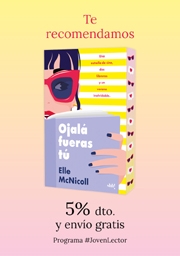
#JóvenesLectores Narrativa juvenil Clásicos adaptados Libros Wattpad Libros Booktok Libros de influencers Libros de Youtubers Libros Spicy juveniles Libros LGTBIQ+ Temas sociales Libros ciencia ficción Libros de acción y aventura Cómic y Manga Juvenil Cómic Juvenil Manga Shonen Manga Shojo
Libros de fantasía Cozy Fantasy Dark academia Hadas y Fae Romantasy Royal Fantasy Urban Fantasy Vampiros y hombres lobo Otros Misterio y terror Cozy Mistery Policiaca Spooky Terror Thriller y suspense Otros
Libros románticos y de amor Dark Romance Clean Romance Cowboy Romance Mafia y amor Romance dramatico Romcom Sport Romance Otros Clichés Enemies to Lovers Friends to Lovers Hermanastros Slow Burn Fake Dating Triángulo amoroso
Imprescindibles Juvenil Los más vendidos Recomendados Novedades Sagas Juveniles Powerless Los chicos Tommen Culpables Twisted Autores destacados Jennifer L. Armentrout Eloy Moreno Nerea Llanes Hannah Nicole Maehrer
Te recomendamos
Libro juvenil recomendado de la quincena
Cómic y Manga 
Novela gráfica Novela gráfica americana Novela gráfica europea Novela gráfica de otros países Personajes, series y sagas Series y sagas Superhéroes Cómics DC Cómics Marvel Cómics otros superhéroes
Cómics Libros de ilustración Cómic de humor Cómic erótico Historia y técnica Cómic infantil y juvenil Cómic infantil Cómic juvenil Juegos y merchandising Libros de juegos de rol Juegos Figuras
Dragon ball
¡La aventura te espera! Completa tu colección de Dragon Ball
Books in English 
Books in English Fiction Non Fiction Comic Teen & Young Adult Main Authors Ken Follett Agatha Christie Stephen King Jane Austen Maggie O’Farrell
Books in English for Young Adults Age 13+ Age 15+ Young Adult Authors Rebecca Yarros Sarah J. Maas Brandon Sanderson Ali Hazelwood Alice Oseman
Books in English for Kids Age 0-2 Age 3-4 Age 5-6 Age 7-9 Age 10-12 eBooks Fiction Non Fiction On sale
Mate
The global bestseller and TikTok sensation



Llibres en català 
Llibres en català Més venuts Recomanats Novetats Categories principals Literatura Història C. humanes Autoajuda Juvenil
Infantils 0-2 any 3-4 anys 5-6 anys 7-9 anys 10-12 anys Recomanats infantils Llibres de text Lectures precriptives
eBooks Novetats Autors Albert Sánchez Piñol Regina Rodríguez Sirvent Sílvia Soler Gil Pratsobrerroca Editorial del mes Barcanova Ofertes
Personatge del mes
Descobreix les aventures de Gos Pundet
eBooks/Audiolibros 
Literatura en eBook Contemporánea Narrativa fantástica Novela de ciencia ficción Novela de terror Novela histórica Novela negra Novela romántica y erótica Literatura en otros idiomas Juvenil en eBook Fantasía y magia Romance y amor Misterio y terror Temas sociales Infantil en eBook eBooks infantiles
Ciencia y tecnología en eBook Ciencias naturales Divulgación científica Medicina Salud y dietas Filología en eBook Humanidades en eBook Autoayuda y espiritualidad Ciencias humanas Política Derecho Economía y Empresa Historia en eBook Arte en eBook Estilo de vida en eBook Cocina
Imprescindibles en eBook Más vendidos Recomendados Novedades Ediciones especiales Promociones Más buscados Próximos lanzamientos eReader Vivlio Vivlio Light Zen Vivlio Light HD Color Vivlio Light 6 Vivlio Inkpad 4 Cómo leer un eBook Apps Casa del Libro App Casa del Libro
Disfruta los audiolibros 🎧
Los mejores audiolibros en Casa del Libro

Papelería 
Agendas y calendarios Agendas escolares Agendas 2026 Calendarios 2026 Juegos y puzles Juegos de mesa Juegos de cartas Juegos clásicos Juegos educativos Juegos experto Manualidades Puzles Bolsas y Tote bag Bolsas de tela Bolsas Casa del Libro
Accesorios de escritorio Cuadernos y libretas Material de escritura Bolígrafos borrables Estuches Carpetas Postales Papel de regalo Otros Merchandising Figuras Menaje Papelería Mr. Wonderful Tantanfan
Accesorios de lectura Marcapáginas Lámparas de lectura Fundas de libros Atriles Gafas Otros Regalos Regalos de literatura Tarjeta regalo eReader Vivlio Vivlio Light Zen Vivlio Light HD Color Vivlio Light 6 Vivlio Inkpad 4 Cómo leer un eBook
eReader Light Zen
Lectura digital sin complicaciones


Antonella Anedda
D'origen sard, Antonella Anedda va néixer a Roma el 1955, ciutat on viu. És poeta, assagista, traductora i exerceix de professora a la Università della Svizzera Italiana a Lugano. És una de les veus cabdals de la lírica italiana contemporània. Entre els seus llibres de poesia destaquen Residenze invernali (1992), Notti di pace occidentale (1999), Il catalogo della gioia (2003), Dal balcone del corpo (2007) i Salva con nome (2012). El 2021 ha publicat el llibre de proses Geografie. Ha traduït Ovidi, Anne Carson, Philippe Jaccottet, Barbara Carle i Jamie McKendrick, entre d'altres. El 2014 va obtenir el Premi Puixkin per la seva obra poètica i assagística. El 2019 va rebre el títol de Doctora Honoris Causa per la Université de Sorbonne-Paris IV per la seva trajectòria literària.
Recibe novedades de Antonella Anedda directamente en tu email
Filtros
Del 1 al 6 de 6

VASO ROTO 9788415168614
Desde el balcón del cuerpo es el gran libro de madurez de su autora, una de las voces fundamentales de la poesía italiana contemporánea.«Nuestro cuerpo afirma la poeta Antonella Anedda en este libro
Ver más
Tapa blanda

IGITUR 9788495142382
Yo conozco el envés de los metalesla frente que aprieta las monedaspara dañar al dolor. Ahorano sirve ya ningún giro.Ininterrumpida la ceniza quedaen las muñecas deja intactas las espinaslas seis bayas invernales.Donde yo no llego es quietudla hierba que adensa su sien rayada.Abajo todo sigueen el suelo recomienzala caza nocturnael estallido de los pajarossu cabeza partida, el espejo movido de prisa.La captura.
Ver más
Tapa blanda

Cafè Central Associació Cultural0 9788410482074
Tapa blanda
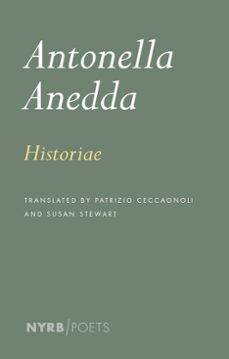
NYRB Poets 9781681376974
Poems between natural and human history, private life and death, and about the crises of our century, from an acclaimed Italian poet.Tacitus, the brooding historian of the Roman Empire, supplies the title of Antonella Aneddas Historiae, in which she grapples with a legacy of Mediterranean displacement and violence that stretches from antiquity to the present day. Anedda writes about the aftermath of centuries of colonization, about the ongoing European immigration crisis, and about the wild Sardinian archipelago of La Maddalena and the teeming Roman neighborhood of Trastevereplaces between which she has divided her lifein a wonderfully various collection where poems of community frame poems of private life, among them a moving elegy for her mother. With wit, insight, and economy, Anedda reminds us that history is plural and that our perspectives, too, are constituted by pluralitiesby events both present and past, both world-shaking and exquisitely mundane. This bilingual edition includes the original Italian versions of each poem.
Ver más
eBook

Del 1 al 6 de 6