Carrie Jenkins es filósofa y profesora de Filosofía en la Universidad de British Colombia, en Canadá. De origen inglés, se doctoró en Filosofía por el Trinity College de Cambridge, especializada en teoría del conocimiento y filosofía de la ciencia. Ha obtenido reconocimiento internacional, además, por defender el poliamor y los modelos de relación no monógama y heterosexual como asuntos también feministas. Entre sus libros destaca What love is and what it could be.
Recibe novedades de Carrie Jenkins directamente en tu email

El «amor triste» y trágico surge cuando pensamos que el amor es sinónimo de felicidad, y esta sinónimo de bienestar inmediato. El amor que defiende Jenkins va mucho más allá, porque rompe el tablero
A rising star in philosophy examines the cultural, social, and scientific interpretations of love to answer one of our most enduring questions What is love? Aside from being the title of many a popular love song, this is one of lifes perennial questions. In What Love Is, philosopher Carrie Jenkins offers a bold new theory on the nature of romantic love that reconciles its humanistic and scientific components. Love can be a social construct (the idea of a perfect fairy tale romance) and a physical manifestation (those anxiety- inducing heart palpitations); we must recognize its complexities and decide for ourselves how to love. Motivated by her own polyamorous relationships, she examines the ways in which our parameters of love have recently changed-to be more accepting of homosexual, interracial, and non-monogamous relationships-and how they will continue to evolve in the future. Full of anecdotal, cultural, and scientific reflections on love, What Love Is is essential reading for anyone seeking to understand what it means to say "I love you." Whether young or old, gay or straight, male or female, polyamorous or monogamous, this book will help each of us decide for ourselves how we choose to love.
Cuanto más ansiamos la felicidad, menos felices somos. Esto es lo que se conoce en filosofía como «paradoja de la felicidad». Lo mismo ocurre con el amor, cuya visión «romántica», defiende que el obj
El «amor triste» y trágico surge cuando pensamos que el amor es sinónimo de felicidad, y esta sinónimo de bienestar inmediato. El amor que defiende Jenkins va mucho más allá, porque rompe el tablero
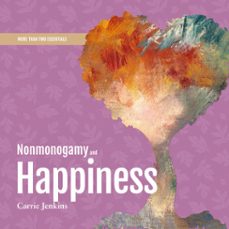
A philosophical exploration of what happiness is and the search for meaning in nonmonogamous relationships. The love story were all familiar with ends with and they lived happily ever after. But how often do we hear a nonmonogamous love story with that ending? In all kinds of contexts, nonmonogamous happiness is erased. From the ubiquitous friend who tried it once and it didnt end well to Dan Savages long-term jokes about never being invited to a polyamorous third wedding anniversary, we are repeatedly assured that nonmonogamy leads to misery. In real love, we are taught to expect the opposite: to expect happiness. When we want to ask if someones relationship is going well, we ask if they are happy with their partner. We might even ask whether their partner makes them happy. But what does love have to do with happiness?Doesnt love have space to accommodate the full range of emotional experience? Carrie Jenkins thinks it does, or at least it can. She draws connections between the expectation that love will make us happy and the undue focus on positive emotions to the exclusion of negative ones. She argues that lovemonogamous or otherwisemight better aim at being eudaimonic than at being happy, and that we have a better chance of achieving this if we are able to make relationship choices free from the prejudices and distortions that lead to an unduly rosy view of monogamy and an unduly miserable picture of the alternatives.