
 Librerías
 Imprescindibles 
Más vendidos Libros más vendidos eBooks más vendidos Categorías más vendidas Libros más buscados Todos los libros Todos los libros Autores destacados Nuestros catálogos Series y sagas Blog
Recomendados Libros recomendados Clásicos imprescindibles Libros que inspiran Mens sana in corpore sano Booktokers Pelis y series Actualidad Premios
Novedades Novedades libros Novedades infantiles Novedades ebooks Próximos lanzamientos libros Próximos lanzamientos eBooks
Promociones Sorteos Libros desde 2,95€ eBooks hasta 80% descuento Ediciones especiales Libros firmados
Leer es una fiesta
Vive el Día del Libro
Ficción 
Literatura Contemporánea Libros de bolsillo Clásicos Poesía Teatro Cuentos Literatura en otros idiomas Estudios literarios
Géneros literarios Novela romántica y erótica Novela negra Novela histórica Narrativa fantástica Novela de ciencia ficción Novela de terror Narrativa de humor Narrativa de viajes
Imprescindibles de ficción Novedades de ficción Los más leídos de ficción Recomendados de ficción Autores destacados David Uclés Sarah J. Maas Brandon Sanderson Sagas literarias La asistenta La saga de los longevos Saga Powerless
Autor del mes
Descubre todos sus libros


No Ficción
Ciencias y tecnología Biología Ciencias Ciencias naturales Divulgación científica Informática Ingeniería Matemáticas Medicina Salud y dietas Filología Biblioteconomía Estudios filológicos Estudios lingüísticos Estudios literarios Historia y crítica de la Literatura
Humanidades Autoayuda y espiritualidad Ciencias humanas Derecho Economía y Empresa Psicología y Pedagogía Filosofía Sociología Historia Arqueología Biografías Historia de España Historia local de España Historia Universal Historia por países
Arte Arquitectura Cine Diseño y moda Fotografía Historia del arte Música Pintores y escultores Estilo de vida Libros de Cocina Guías de viaje Narrativa de viajes Deportes Libros de Juegos Manualidades

Infantil 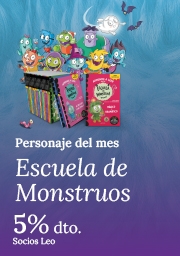
Infantil Infantil de 0 a 2 años Infantil de 3 a 4 años Infantil de 5 a 6 años Infantil de 7 a 9 años Infantil de 10 a 12 años Infantil en otros idiomas Libros infantiles en inglés Libros infantiles en francés
Cómic y manga infantil Cómic infantil Manga infantil - Kodomo Papelería y regalo infantil Juegos educativos Juegos clásicos Juegos de cartas Djeco Puzzles Se habla de... Dejar el pañal Aprender a leer Mitología Cambio climático El universo
Imprescindibles infantiles Los más vendidos Recomendados Novedades Series infantiles Personajes Ovejita que vino a cenar Magic animals Cazamisterios Secreto de bruja Me llamo Goa Enzo Brown Crónicas de Narnia
Serie del mes
Aprende a leer con Escuela de monstruos
Juvenil
#JóvenesLectores Narrativa juvenil Clásicos adaptados Libros Wattpad Libros Booktok Libros de influencers Libros de Youtubers Libros Spicy juveniles Libros LGTBIQ+ Temas sociales Libros ciencia ficción Libros de acción y aventura Cómic y Manga Juvenil Cómic Juvenil Manga Shonen Manga Shojo
Libros de fantasía Cozy Fantasy Dark academia Hadas y Fae Romantasy Royal Fantasy Urban Fantasy Vampiros y hombres lobo Otros Misterio y terror Cozy Mistery Policiaca Spooky Terror Thriller y suspense Otros
Libros románticos y de amor Dark Romance Clean Romance Cowboy Romance Mafia y amor Romance dramatico Romcom Sport Romance Otros Clichés Enemies to Lovers Friends to Lovers Hermanastros Slow Burn Fake Dating Triángulo amoroso
Cómic y Manga 
Novela gráfica Novela gráfica americana Novela gráfica europea Novela gráfica de otros países Personajes, series y sagas Series y sagas Superhéroes Cómics DC Cómics Marvel Cómics otros superhéroes
Cómics Libros de ilustración Cómic de humor Cómic erótico Historia y técnica Cómic infantil y juvenil Cómic infantil Cómic juvenil Juegos y merchandising Libros de juegos de rol Juegos Figuras
Dragon ball
¡La aventura te espera! Completa tu colección de Dragon Ball
Books in English 
Books in English Fiction Non Fiction Comic Teen & Young Adult Main Authors Ken Follett Agatha Christie Stephen King Jane Austen Maggie O’Farrell
Books in English for Young Adults Age 13+ Age 15+ Young Adult Authors Rebecca Yarros Sarah J. Maas Brandon Sanderson Ali Hazelwood Alice Oseman
Books in English for Kids Age 0-2 Age 3-4 Age 5-6 Age 7-9 Age 10-12 eBooks Fiction Non Fiction On sale
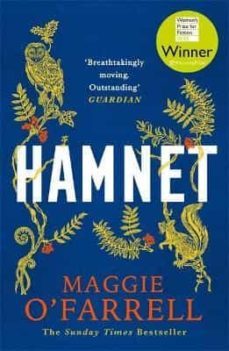
Mate
The global bestseller and TikTok sensation

Llibres en català 
Llibres en català Més venuts Recomanats Novetats Categories principals Literatura Història C. humanes Autoajuda Juvenil
Infantils 0-2 any 3-4 anys 5-6 anys 7-9 anys 10-12 anys Recomanats infantils Llibres de text Lectures precriptives
eBooks Novetats Autors Albert Sánchez Piñol Regina Rodríguez Sirvent Sílvia Soler Gil Pratsobrerroca Editorial del mes Barcanova Ofertes
Premis en català
No et perdis els millors premis

eBooks/Audiolibros 
Literatura en eBook Contemporánea Narrativa fantástica Novela de ciencia ficción Novela de terror Novela histórica Novela negra Novela romántica y erótica Literatura en otros idiomas Juvenil en eBook Fantasía y magia Romance y amor Misterio y terror Temas sociales Infantil en eBook eBooks infantiles
Ciencia y tecnología en eBook Ciencias naturales Divulgación científica Medicina Salud y dietas Filología en eBook Humanidades en eBook Autoayuda y espiritualidad Ciencias humanas Política Derecho Economía y Empresa Historia en eBook Arte en eBook Estilo de vida en eBook Cocina
Imprescindibles en eBook Más vendidos Recomendados Novedades Ediciones especiales Promociones Más buscados Próximos lanzamientos eBooks firmados eReader Vivlio Vivlio Light HD Color Vivlio Light 6 HD Vivlio Light 6 Vivlio Inkpad 4 Cómo leer un eBook Apps Casa del Libro App Casa del Libro
Disfruta los audiolibros 🎧
Los mejores audiolibros en Casa del Libro

Papelería 
Agendas y calendarios Agendas escolares Agendas 2026 Calendarios 2026 Juegos y puzles Juegos de mesa Juegos de cartas Juegos clásicos Juegos educativos Juegos experto Manualidades Puzles Bolsas y Tote bag Bolsas de tela Bolsas Casa del Libro
Accesorios de escritorio Cuadernos y libretas Material de escritura Bolígrafos borrables Estuches Carpetas Postales Papel de regalo Otros Merchandising Figuras Menaje Papelería Mr. Wonderful Tantanfan
Accesorios de lectura Marcapáginas Lámparas de lectura Fundas de libros Atriles Gafas Otros Regalos Regalos de literatura Tarjeta regalo eReader Vivlio Vivlio Light HD Color Vivlio Light 6 HD Vivlio Light 6 Vivlio Inkpad 4 Cómo leer un eBook
Elige tu eReader Vivlio
Descubre nuestra colección de eReaders


Christine Kenneally
Christine Kenneally nació en Australia y se doctoró en Lingüística en la Universidad de Cambridge. Escribe para publicaciones como The New Yorker, The New York Times, Scientific American y Slate.
Recibe novedades de Christine Kenneally directamente en tu email
Filtros
Del 1 al 4 de 4
PublicAffairs 9781541758506
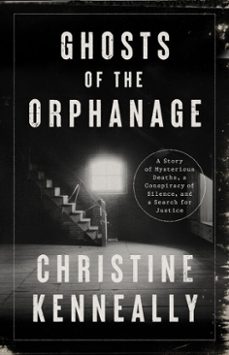
The shocking secret history of twentieth-century orphanageswhich for decades hid violence, abuse, and deaths within their walls For much of the twentieth century, a series of terrible eventsabuse, both physical and psychological, and even deathstook places inside orphanages. The survivors have been trying to tell their astonishing stories for a long time, but disbelief, secrecy, and trauma have kept them from breaking through. For ten years, Christine Kenneally has been on a quest to uncover the harrowing truth. Centering her story on St. Josephs, a Catholic orphanage in Vermont, Kenneally has written a stunning account of a series of crimes and abuses. But her work is not confined to one place. Following clues that take her into the darkened corners of several institutions across the globe, she finds a trail of terrifying stories and a courageous group of survivors who are seeking justice. Ghosts of the Orphanage is an incredible true crime story and a reckoning with a past that has stayed buried for too long, with tragic consequences.
Ver más
eBook
Alianza Editorial 9788420683904
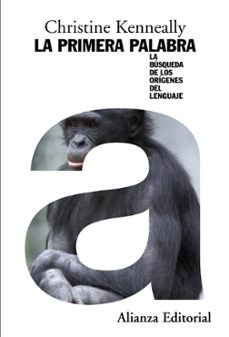
La primera palabra relata la apasionante historia de la búsqueda de los orígenes del lenguaje humano. Estudios sobre temas como los gestos de los simios, la cognición de los loros, la competencia gramatical y numerica de los monos y la autoconciencia de los delfines estan modificando nuestra idea de como se origino el lenguaje: no como una transformacion repentina y decisiva en nuestros genes, sino como un proceso gradual que implico innovaciones somaticas, neurologicas y culturales. Finalmente, Kenneally, que escribe sobre lenguaje, ciencia y cultura para destacadas publicaciones, examina los resultados mas recientes en una variedad de disciplinas, desde la biologia hasta los estudios sobre inteligencia artificial, para abordar la pregunta ¿es el lenguaje un fenomeno exclusivamente humano? Un relato esplendido y claro de un nuevo campo de la investigacion sobre una cuestion fundamental relacionada con la especie humana. Steven Pinker
Ver más
Tapa blanda
Penguin Books 9781101202395
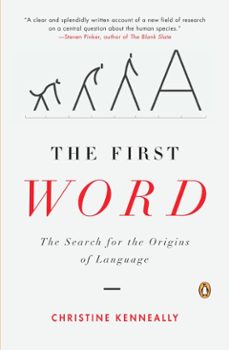
An accessible exploration of a burgeoning new field: the incredible evolution of language The first popular book to recount the exciting, very recent developments in tracing the origins of language, The First Word is at the forefront of a controversial, compelling new field. Acclaimed science writer Christine Kenneally explains how a relatively small group of scientists that include Noam Chomsky and Steven Pinker assembled the astounding narrative of how the fundamental process of evolution produced a linguistic ape-in other words, us. Infused with the wonder of discovery, this vital and engrossing book offers us all a better understanding of the story of humankind.
Ver más
eBook
Penguin Books 9780698176294
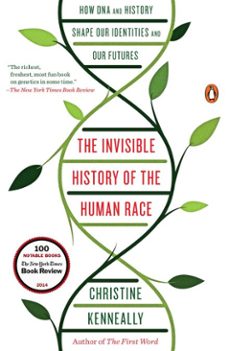
A New York Times Notable Book The richest, freshest, most fun book on genetics in some time. The New York Times Book Review We are doomed to repeat history if we fail to learn from it, but how are we affected by the forces that are invisible to us? In The Invisible History of the Human Race Christine Kenneally draws on cutting-edge research to reveal how both historical artifacts and DNA tell us where we come from and where we may be going. While some books explore our genetic inheritance and popular television shows celebrate ancestry, this is the first book to explore how everything from DNA to emotions to names and the stories that form our lives are all part of our human legacy. Kenneally shows how trust is inherited in Africa, silence is passed down in Tasmania, and how the history of nations is written in our DNA. From fateful, ancient encounters to modern mass migrations and medical diagnoses, Kenneally explains how the forces that shaped the history of the world ultimately shape each human who inhabits it.The Invisible History of the Human Race is a deeply researched, carefully crafted and provocative perspective on how our stories, psychology, and genetics affect our past and our future.
Ver más
eBook
Del 1 al 4 de 4