
 Librerías
 Imprescindibles 
Más vendidos Libros más vendidos eBooks más vendidos Categorías más vendidas Libros más buscados Todos los libros Todos los libros Autores destacados Nuestros catálogos Series y sagas Blog
Recomendados Libros recomendados Clásicos imprescindibles Libros que inspiran Mens sana in corpore sano Booktokers Pelis y series Actualidad Premios
Novedades Novedades libros Novedades infantiles Novedades ebooks Próximos lanzamientos libros Próximos lanzamientos eBooks
Promociones Sorteos Libros desde 2,95€ eBooks hasta 80% descuento Ediciones especiales Libros firmados
Leer es una fiesta
Vive el Día del Libro
Ficción 
Literatura Contemporánea Libros de bolsillo Clásicos Poesía Teatro Cuentos Literatura en otros idiomas Estudios literarios
Géneros literarios Novela romántica y erótica Novela negra Novela histórica Narrativa fantástica Novela de ciencia ficción Novela de terror Narrativa de humor Narrativa de viajes
Imprescindibles de ficción Novedades de ficción Los más leídos de ficción Recomendados de ficción Autores destacados David Uclés Sarah J. Maas Brandon Sanderson Sagas literarias La asistenta La saga de los longevos Saga Powerless
Rebelde el que lee
Leer es, hoy más que nunca, un acto de rebeldía



No Ficción
Ciencias y tecnología Biología Ciencias Ciencias naturales Divulgación científica Informática Ingeniería Matemáticas Medicina Salud y dietas Filología Biblioteconomía Estudios filológicos Estudios lingüísticos Estudios literarios Historia y crítica de la Literatura
Humanidades Autoayuda y espiritualidad Ciencias humanas Derecho Economía y Empresa Psicología y Pedagogía Filosofía Sociología Historia Arqueología Biografías Historia de España Historia local de España Historia Universal Historia por países
Arte Arquitectura Cine Diseño y moda Fotografía Historia del arte Música Pintores y escultores Estilo de vida Libros de Cocina Guías de viaje Narrativa de viajes Deportes Libros de Juegos Manualidades



Infantil Ver más
Infantil Infantil de 0 a 2 años Infantil de 3 a 4 años Infantil de 5 a 6 años Infantil de 7 a 9 años Infantil de 10 a 12 años Infantil en otros idiomas Libros infantiles en inglés Libros infantiles en francés
Cómic y manga infantil Cómic infantil Manga infantil - Kodomo Papelería y regalo infantil Juegos educativos Juegos clásicos Juegos de cartas Djeco Puzzles Se habla de... Dejar el pañal Aprender a leer Mitología Cambio climático El universo
Imprescindibles infantiles Los más vendidos Recomendados Novedades Series infantiles Personajes Ovejita que vino a cenar Magic animals Cazamisterios Secreto de bruja Me llamo Goa Enzo Brown Crónicas de Narnia
Rebelde el que lee
Leer es, hoy más que nunca, un acto de rebeldía



Juvenil
#JóvenesLectores Narrativa juvenil Clásicos adaptados Libros Wattpad Libros Booktok Libros de influencers Libros de Youtubers Libros Spicy juveniles Libros LGTBIQ+ Temas sociales Libros ciencia ficción Libros de acción y aventura Cómic y Manga Juvenil Cómic Juvenil Manga Shonen Manga Shojo
Libros de fantasía Cozy Fantasy Dark academia Hadas y Fae Romantasy Royal Fantasy Urban Fantasy Vampiros y hombres lobo Otros Misterio y terror Cozy Mistery Policiaca Spooky Terror Thriller y suspense Otros
Libros románticos y de amor Dark Romance Clean Romance Cowboy Romance Mafia y amor Romance dramatico Romcom Sport Romance Otros Clichés Enemies to Lovers Friends to Lovers Hermanastros Slow Burn Fake Dating Triángulo amoroso



Cómic y Manga Ver más
Novela gráfica Novela gráfica americana Novela gráfica europea Novela gráfica de otros países Personajes, series y sagas Series y sagas Superhéroes Cómics DC Cómics Marvel Cómics otros superhéroes
Cómics Libros de ilustración Cómic de humor Cómic erótico Historia y técnica Cómic infantil y juvenil Cómic infantil Cómic juvenil Juegos y merchandising Libros de juegos de rol Juegos Figuras
Rebelde el que lee
Leer es, hoy más que nunca, un acto de rebeldía


Books in English 
Books in English Fiction Non Fiction Comic Teen & Young Adult Main Authors Ken Follett Agatha Christie Stephen King Jane Austen Maggie O’Farrell
Books in English for Young Adults Age 13+ Age 15+ Young Adult Authors Rebecca Yarros Sarah J. Maas Brandon Sanderson Ali Hazelwood Alice Oseman
Books in English for Kids Age 0-2 Age 3-4 Age 5-6 Age 7-9 Age 10-12 eBooks Fiction Non Fiction On sale
Mate
The global bestseller and TikTok sensation
Llibres en català 
Llibres en català Més venuts Recomanats Novetats Categories principals Literatura Història C. humanes Autoajuda Juvenil
Infantils 0-2 any 3-4 anys 5-6 anys 7-9 anys 10-12 anys Recomanats infantils Llibres de text Lectures precriptives
eBooks Novetats Autors Albert Sánchez Piñol Regina Rodríguez Sirvent Sílvia Soler Gil Pratsobrerroca Editorial del mes Barcanova Ofertes
Mes del Libre
Descomptes exclusius per a Socis



eBooks/Audiolibros 
Literatura en eBook Contemporánea Narrativa fantástica Novela de ciencia ficción Novela de terror Novela histórica Novela negra Novela romántica y erótica Literatura en otros idiomas Juvenil en eBook Fantasía y magia Romance y amor Misterio y terror Temas sociales Infantil en eBook eBooks infantiles
Ciencia y tecnología en eBook Ciencias naturales Divulgación científica Medicina Salud y dietas Filología en eBook Humanidades en eBook Autoayuda y espiritualidad Ciencias humanas Política Derecho Economía y Empresa Historia en eBook Arte en eBook Estilo de vida en eBook Cocina
Imprescindibles en eBook Más vendidos Recomendados Novedades Ediciones especiales Promociones Más buscados Próximos lanzamientos eBooks firmados eReader Vivlio Vivlio Light HD Color Vivlio Light 6 HD Vivlio Light 6 Vivlio Inkpad 4 Cómo leer un eBook Apps Casa del Libro App Casa del Libro
Mes del Libro
Descuentos exclusivos para Socios



Papelería 
Agendas y calendarios Agendas escolares Agendas 2026 Calendarios 2026 Juegos y puzles Juegos de mesa Juegos de cartas Juegos clásicos Juegos educativos Juegos experto Manualidades Puzles Bolsas y Tote bag Bolsas de tela Bolsas Casa del Libro
Accesorios de escritorio Cuadernos y libretas Material de escritura Bolígrafos borrables Estuches Carpetas Postales Papel de regalo Otros Merchandising Figuras Menaje Papelería Mr. Wonderful Tantanfan
Accesorios de lectura Marcapáginas Lámparas de lectura Fundas de libros Atriles Gafas Otros Regalos Regalos de literatura Tarjeta regalo eReader Vivlio Vivlio Light HD Color Vivlio Light 6 HD Vivlio Light 6 Vivlio Inkpad 4 Cómo leer un eBook
Elige tu eReader Vivlio
Descubre nuestra colección de eReaders


DIANA B. HENRIQUES
Recibe novedades de DIANA B. HENRIQUES directamente en tu email
Filtros
Del 1 al 6 de 6

Scribner 9780743202671
It almost seems that Thomas Mellon Evans was a man so far ahead of his contemporaries that he had moved into the shadows before the full force of his business style had dawned on the rest of corporate America. At every step in his career, he was barging in where few would follow -- at first. But follow they did, at last." -- from the PrologueThe first in-depth portrait of the life and times of the trailblazing financier Thomas Mellon Evans -- the man who pursued wealth and power in the 1950s with a brash ruthlessness that forever changed the face of corporate America. Long before Michael Milken was using junk bonds to finance corporate takeovers, Thomas Mellon Evans used debt, cash, and the tax code to obtain control of more than eighty American companies. Long before investors began to lobby for "shareholders rights," Evans was demanding that public companies be run only for their shareholders -- not for their employees, their executives, or their surrounding communities. To some, Evanss merciless style presaged much that is wrong with corporate life today. To others, he intuitively knew what was needed to keep America competitive in the wake of a global war. In The White Sharks of Wall Street, New York Times investigative reporter Diana Henriques provides the first biography of this pivotal figure in American business history. She also portrays the other pioneering corporate raiders of the postwar period, such as Robert Young and Louis Wolfson, and shows how these men learned from one another and advanced one anothers takeover tactics. She relates in dramatic detail a number of important early takeover fights -- Wolfsons challenge to Montgomery Ward, Youngs move on the New York Central Railroad, the fight for Follansbee Steel -- and shows how they foreshadowed the desperate battle waged by Tom Evanss son, Ned Evans, to keep the British raider Robert Maxwell away from his Macmillan publishing empire during the 1980s. Henriques also reaches beyond the business arena to tally the tragic personal cost of Evanss pursuit of success and to show how the family dynasty shattered when his sons were driven by his own stubbornness and pride to become his rivals. In the end, the battling patriarch faced his youngest son in a poignant battle for control at the Crane Company, the once-famous Chicago plumbing and valve company that Tom Evans had himself seized in a brilliant takeover coup twenty-five years earlier. The White Sharks of Wall Street is a fascinating portrait of an extraordinary man, whose career blazed across the sky and then sank into obscurity -- but not before he had provided the template for how American business would operate for the next four decades.
Ver más
eBook

TOUCHSTONE (SIMON & SCHUSTER) 9780684832234
Tapa blanda
Oneworld Publications 9781780740430
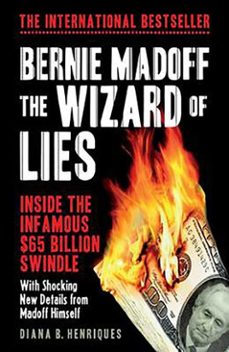
With shocking new details from Madoff himself The definitive account of the worlds biggest Ponzi scheme an instant New York Times bestsellerWho was Bernie Madoff, and how did he pull off the biggest Ponzi scheme in history? This question has long fascinated people, about the New York financier who swindled his friends, relatives, and other investors out of $65 billion. And in The Wizard of Lies, Diana B. Henriques of the New York Times has written the definitive and bestselling account of the man and his scheme, drawing on unprecedented access and more than one hundred interviews, including Madoffs first interviews for publication following his arrest. Henriques provides vivid details from the lawsuits and government investigations that explode the myths that have come to surround the story, and in a revised and expanded epilogue, she unravels the latest legal developments. A true-life financial thrillerand now a major HBO film starring Robert De Niro and Michelle PfeifferThe Wizard of Lies contrasts Madoffs remarkable rise on Wall Street with dramatic scenes from his accelerating slide toward self-destruction. It is also the most complete account of the heartbreaking personal disasters and landmark legal battles triggered by Madoffs downfallthe suicides, business failures, fractured families, shuttered charitiesand the clear lessons this timeless scandal offers to Washington, Wall Street, and Main Street.
Ver más
eBook
Best Business 9786556700298
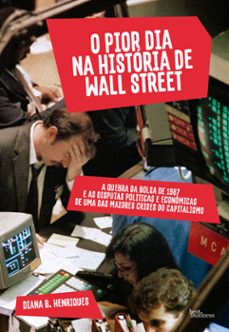
O pior dia da história de Wall Street, de Diana B. Henriques, autora best-seller do New York Times, é uma obra preventiva que relata a crise de 1987 e como o sistema financeiro dos EUA quase entrou em colapso. Apelidado de "Segunda-Feira Negra", o dia 19 de outubro de 1987 foi de longe o pior da historia de Wall Street. O indice Dow Jones, um dos principais indicadores do mercado financeiro dos Estados Unidos, caiu chocantes 22,6%, declinio percentual quase duas vezes maior que o do pior dia da crise de 1929. Nem mesmo os ataques terroristas de 11 de setembro de 2001, o crash de 2008 e a decretaço da pandemia de Covid-19 em 2020 causaram baque to grande nos indices da Bolsa de Valores norte-americana em um unico dia.Os especialistas no so unanimes quanto ao motivo que levou a desvalorizaço to brusca, mas concordam que novos protagonistas, como o uso de ferramentas computadorizadas nas negociaçes financeiras e o comportamento de manada, deram origem a um novo tipo de crise, que ainda ameaça a sobrevivencia do mercado financeiro como o conhecemos hoje.Partindo de extensa pesquisa e dezenas de entrevistas exclusivas, Diana B. Henriques conta uma historia de oportunidades perdidas, iluses de mercado e açes destrutivas que envolveu desde um escandalo na cotaço da prata em 1980 ate o papel das agencias reguladoras de Washington, passando pela rivalidade entre as bolsas de Chicago e Nova York. Com o desenrolar dos acontecimentos, no foi possivel evitar o iminente colapso do mercado, mesmo apos herois inesperados se colocarem na linha de frente para evitar desastre ainda maior.Mais de trinta anos se passaram e investidores, reguladores e banqueiros parecem ignorar as liçes de 1987, mesmo quando os sinais se repetiram de forma assombrosa, como na crise financeira de 2008. O pior dia da historia de Wall Street apresenta esse episodio como uma forma no so de analisar os erros do passado, mas de alertar para a repetiço deles. "Uma excelente obra de advertencia que deveria estar na cabeceira de politicos e investidores e tambem de todos que trabalham com sistema financeiro." The Washington Post"Relatorio economico solido. Os investidores que se lembram dos acontecimentos de trinta anos atras ficaro em choque novamente, especialmente quando a autora sugere que o pior ainda pode estar por vir." Kirkus Reviews "Uma narrativa fiel, agil e profundamente pesquisada... E uma leitura obrigatoria para quem quer entender por que os mercados financeiros oscilam de crise em crise e continuam assustadoramente suscetiveis a quebras." Publishers Weekly
Ver más
eBook

Record 9788501111791
A história da maior fraude financeira de todos os tempos. Livro que inspirou o filme estrelado por Robert De Niro e Michelle Pfeiffer. Por volta de 1992, Bernard Madoff, fundador e presidente de uma das sociedades de investimento mais importantes de Wall Street, começou a articular um esquema com conexes no mundo todo. Fundos de investimento com altas taxas de juros atrairam o interesse de cada vez mais investidores, que no imaginavam estar se envolvendo em uma sofisticada piramide de fraude financeira. A operaço so foi descoberta em 2008, quando o mercado estava devastado pela crise global e os investidores no conseguiram resgatar seus depositos. Ate ento reconhecido como o mago de Wall Street, Madoff viu a derrocada do esquema revelar prejuizos de dezenas de bilhes de dolares, o que evidenciou o castelo de cartas sobre o qual havia construido seu imperio. Em um suspense financeiro sobre fatos reais, Diana B. Henriques, do New York Times, derruba muitos dos mitos sobre o homem que roubou quase US$65 bilhes de seus amigos, parentes e investidores.
Ver más
eBook
Random House 9780593132654
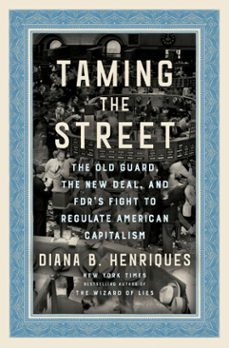
The extraordinary (New York Times Book Review, Editors Choice) story of FDRs fight for the soul of American capitalismfrom award-winning journalist Diana B. Henriques, author of The Wizard of Lies: Bernie Madoff and the Death of TrustI thought I was well versed in the New Deal, but it turns out I knew next to nothing. Diana Henriquess chronicle is meticulous, illuminating, and riveting.Kurt Andersen, New York Times bestselling author of Evil Geniuses and FantasylandWINNER OF THE SABEW BEST IN BUSINESS BOOK AWARD A BLOOMBERG BEST BOOK OF THE YEARTaming the Street describes how President Franklin D. Roosevelt battled to regulate Wall Street in the wake of the 1929 stock market crash and the ensuing Great Depression. With deep reporting and vivid storytelling, Diana B. Henriques takes readers back to a time when Americas financial landscape was a jungle ruled by the titans of vast wealth, largely unrestrained by government. Roosevelt ran for office in 1932 vowing to curb that ruthless capitalism and make the world of finance safer for ordinary savers and investors. His deeply personal campaign to tame the Street is one of the great untold dramas in American history. Success in this political struggle was far from certain for FDR and his New Deal allies, who included the political dynasty builder Joseph P. Kennedy and the future Supreme Court justice William O. Douglas. Wall Streets old guard, led by New York Stock Exchange president Richard Whitney, fought every new rule to the last legal ditch. That clashbetween two sharply different visions of financial power and federal responsibilityhas shaped how other peoples money is managed in the United States to this day. As inequality once again reaches Jazz Age levels, Henriques brings to life a time when the system workedan idealistic moment when ordinary Americans knew what had to be done and supported leaders who could do it. A vital history and a riveting true-life thriller, Taming the Street raises an urgent and troubling question: What does capitalism owe to the common good?
Ver más
eBook
Del 1 al 6 de 6