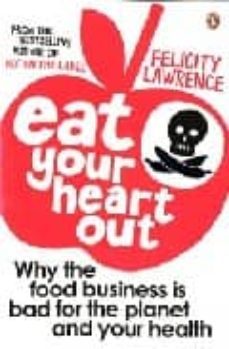
Globalization has affected what we eat in ways we are only beginning to understand. Modern food production no longer relates to our biological needs but is in direct conflict with them. The relationship between diet and our fertility, our risk of cancer, heart disease and mental illness is becoming clearer. Yet much of our food is nutritionally bankrupt. In her revelatory new book, Felicity Lawrence travels from Lincolnshire to Brazil to Senegal to investigate. She shows how new forms of colonization ensure the west retains economic control over the developing world; how slavery has re-emerged in food production; how millions are spent on marketing to persuade us from a very young age that we want foods we don't need. Her book is essential reading for anyone who cares about their health and what they eat - or how the world is run today.
In a series of undercover investigations tracking some of the most popular foods we eat at home, Felicity Lawrence travels from farms and factories to packhouses and lorry depots across the world. She discovers why beef waste ends up in chicken, why a third of apples are thrown away, why all wines taste the same. She meets the hidden armies of migrant workers exploited throughout Britain on whom our supermarkets depend. And she shows how obesity, blighted town centres, motorways clogged with juggernauts, environmentally ravaged fields in Europe and starving smallholders in Africa are all intricately related aspects of our newly globalized, industrialized system of 21st-century food production.
Cómo el negocio de la alimentación perjudica la salud, la economía y el medio ambiente¿A qué se debe que... la mayoría de alimentos procesados estén elaborados a partir de los mismos ingredientes? ¿Y que esos pocos ingredientes sean fabricados por un puñado de multinacionales? ¿Como han llegado los cereales a convertirse en el desayuno principal de millones de niños en el mundo si se les acusa de ser menos nutritivos que el paquete que los contiene? ¿Y por que hoy dia el 60 por ciento de los alimentos procesados contiene soja? ¿O no se nos advierte de que el azucar puede perjudicar tanto la salud como el tabaco? Felicity Lawrence, periodista especializada en temas de alimentacion, realiza un sobrecogedor recorrido por los secretos de las grandes corporaciones agroalimentarias para revelar como esas multinacionales manipulan nuestros habitos alimenticios... y nuestras ideas. Una lectura fundamental para hacer frente a la amenaza que supone la actual industria de la alimentacion para la salud y la de todo el planeta.
Cómo el negocio de la alimentación perjudica la salud, la economía y el medio ambiente ¿A qué se debe que? la mayoría de alimentos procesados estén elaborados a partir de los mismos ingredientes? ¿Y que esos pocos ingredientes sean fabricados por un puñado de multinacionales? ¿Como han llegado los cereales a convertirse en el desayuno principal de millones de niños en el mundo si se les acusa de ser menos nutritivos que el paquete que los contiene? ¿Y por que hoy dia el 60 por ciento de los alimentos procesados contiene soja? ¿O no se nos advierte de que el azucar puede perjudicar tanto la salud como el tabaco? Felicity Lawrence, periodista especializada en temas de alimentacion, realiza un sobrecogedor recorrido por los secretos de las grandes corporaciones agroalimentarias para revelar como esas multinacionales manipulan nuestros habitos alimenticios? y nuestras ideas. Una lectura fundamental para hacer frente a la amenaza que supone la actual industria de la alimentacion para la salud y la de todo el planeta
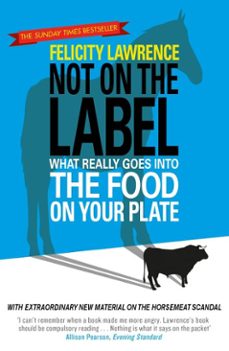
THE SUNDAY TIMES BESTSELLER THAT SHOWED US WHAT WAS REALLY IN OUR FOODIn 2004 Felicity Lawrence published her ground-breaking book, Not on the Label, where, in a series of undercover investigations she provided a shocking account of what really goes into the food we eat. She discovered why beef waste ends up in chicken, why a single lettuce might be sprayed six times with chemicals before it ends up in our salad, why bread is full of water. And she showed how obesity, the appalling conditions of migrant workers, ravaged fields in Europe and the supermarket on our high street are all intimately connected. And, when the horsemeat scandal hit the headlines in 2013, she uncovered how the great British public ended up eating horses.Her discoveries would change the way we thought about the UK food industry for ever.*****A brave examination of the calamities caused by a policy laughingly called one of cheap food Jeremy Paxman, Observer Book of the YearChallenges each and every one of us to think again about what we buy and eat. Its almost like uncovering a secret state within the state Andrew Marr, BBC Radio 4s Start The WeekA thorough, complex and shocking insight into the food we eat in the twenty-first century . . . Perhaps this should be sold as the most effective diet book ever writtenDaily Mail