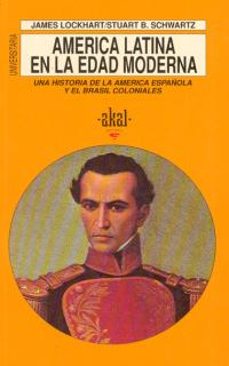
Este libro contiene una historia general de América latina en el periodo que va de la conquista europea a la independencia de las colonias hispanoamericanas y del Brasil portugués, suministrando al tiempo una amplia introduccion a los estudiantes universitarios del tema y una apretada sintesis para lectores especializados. La intencion de los autores ha sido proporcionar una vision de la temprana America latina entendida como una unidad, con un centro y unas periferias, caracterizandose sus partes por diversas variantes de una misma evolucion. Integrando ampliamente la mas reciente y la mas clasica bibliografia historica, el libro contiene una vision de conjunto con especial atencion a los fenomenos legales, institucionales y politicos, sin olvidar los contextos sociales, economicos y culturales.
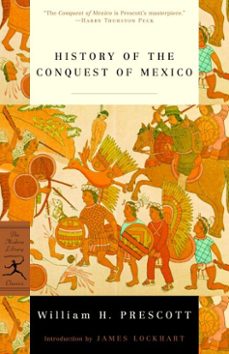
"It is a magnificent epic," said William H. Prescott after the publication of History of the Conquest of Mexico in 1843. Since then, his sweeping account of Cortéss subjugation of the Aztec people has endured as a landmark work of scholarship and dramatic storytelling. This pioneering study presents a compelling view of the clash of civilizations that reverberates in Latin America to this day."Regarded simply from the standpoint of literary criticism, the Conquest of Mexico is Prescotts masterpiece," judged his biographer Harry Thurston Peck. "More than that, it is one of the most brilliant examples which the English language possesses of literary art applied to historical narration. . . . Here, as nowhere else, has Prescott succeeded in delineating character. All the chief actors of his great historic drama not only live and breathe, but they are as distinctly differentiated as they must have been in life. Cortes and his lieutenants are persons whom we actually come to know in the pages of Pres-cott. . . . Over against these brilliant figures stands the melancholy form of Montezuma, around whom, even from the first, one feels gathering the darkness of his coming fate. He reminds one of some hero of Greek tragedy, doomed to destruction and intensely conscious of it, yet striving in vain against the decree of an inexorable destiny. . . . [Prescott] transmuted the acquisitions of laborious research into an enduring monument of pure literature."