
 Librerías
 Imprescindibles 
Más vendidos Libros más vendidos eBooks más vendidos Categorías más vendidas Libros más buscados Todos los libros Todos los libros Autores destacados Nuestros catálogos Series y sagas Blog
Recomendados Libros recomendados Clásicos imprescindibles Libros que inspiran Mens sana in corpore sano Booktokers Pelis y series Actualidad Premios
Novedades Novedades libros Novedades infantiles Novedades ebooks Próximos lanzamientos libros Próximos lanzamientos eBooks
Promociones Sorteos Libros desde 2,95€ eBooks hasta 80% descuento Ediciones especiales Libros firmados
Mes del Libro
Rebelde el que lee
Ficción 
Literatura Contemporánea Libros de bolsillo Clásicos Poesía Teatro Cuentos Literatura en otros idiomas Estudios literarios
Géneros literarios Novela romántica y erótica Novela negra Novela histórica Narrativa fantástica Novela de ciencia ficción Novela de terror Narrativa de humor Narrativa de viajes
Imprescindibles de ficción Novedades de ficción Los más leídos de ficción Recomendados de ficción Autores destacados David Uclés Sarah J. Maas Brandon Sanderson Sagas literarias La asistenta La saga de los longevos Saga Powerless
Autor del mes
Descubre todos sus libros



No Ficción
Ciencias y tecnología Biología Ciencias Ciencias naturales Divulgación científica Informática Ingeniería Matemáticas Medicina Salud y dietas Filología Biblioteconomía Estudios filológicos Estudios lingüísticos Estudios literarios Historia y crítica de la Literatura
Humanidades Autoayuda y espiritualidad Ciencias humanas Derecho Economía y Empresa Psicología y Pedagogía Filosofía Sociología Historia Arqueología Biografías Historia de España Historia local de España Historia Universal Historia por países
Arte Arquitectura Cine Diseño y moda Fotografía Historia del arte Música Pintores y escultores Estilo de vida Libros de Cocina Guías de viaje Narrativa de viajes Deportes Libros de Juegos Manualidades



Infantil 
Infantil Infantil de 0 a 2 años Infantil de 3 a 4 años Infantil de 5 a 6 años Infantil de 7 a 9 años Infantil de 10 a 12 años Infantil en otros idiomas Libros infantiles en inglés Libros infantiles en francés
Cómic y manga infantil Cómic infantil Manga infantil - Kodomo Papelería y regalo infantil Juegos educativos Juegos clásicos Juegos de cartas Djeco Puzzles Se habla de... Dejar el pañal Aprender a leer Mitología Cambio climático El universo
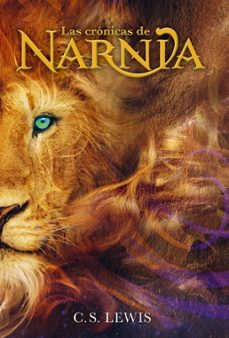
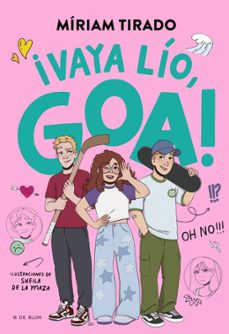
Imprescindibles infantiles Los más vendidos Recomendados Novedades Series infantiles Personajes Ovejita que vino a cenar Magic animals Cazamisterios Secreto de bruja Me llamo Goa Enzo Brown Crónicas de Narnia
Serie del mes
Aprende a leer con Escuela de monstruos

Juvenil
#JóvenesLectores Narrativa juvenil Clásicos adaptados Libros Wattpad Libros Booktok Libros de influencers Libros de Youtubers Libros Spicy juveniles Libros LGTBIQ+ Temas sociales Libros ciencia ficción Libros de acción y aventura Cómic y Manga Juvenil Cómic Juvenil Manga Shonen Manga Shojo
Libros de fantasía Cozy Fantasy Dark academia Hadas y Fae Romantasy Royal Fantasy Urban Fantasy Vampiros y hombres lobo Otros Misterio y terror Cozy Mistery Policiaca Spooky Terror Thriller y suspense Otros
Libros románticos y de amor Dark Romance Clean Romance Cowboy Romance Mafia y amor Romance dramatico Romcom Sport Romance Otros Clichés Enemies to Lovers Friends to Lovers Hermanastros Slow Burn Fake Dating Triángulo amoroso

Cómic y Manga 
Novela gráfica Novela gráfica americana Novela gráfica europea Novela gráfica de otros países Personajes, series y sagas Series y sagas Superhéroes Cómics DC Cómics Marvel Cómics otros superhéroes
Cómics Libros de ilustración Cómic de humor Cómic erótico Historia y técnica Cómic infantil y juvenil Cómic infantil Cómic juvenil Juegos y merchandising Libros de juegos de rol Juegos Figuras
Dragon ball
¡La aventura te espera! Completa tu colección de Dragon Ball



Books in English 
Books in English Fiction Non Fiction Comic Teen & Young Adult Main Authors Ken Follett Agatha Christie Stephen King Jane Austen Maggie O’Farrell
Books in English for Young Adults Age 13+ Age 15+ Young Adult Authors Rebecca Yarros Sarah J. Maas Brandon Sanderson Ali Hazelwood Alice Oseman
Books in English for Kids Age 0-2 Age 3-4 Age 5-6 Age 7-9 Age 10-12 eBooks Fiction Non Fiction On sale
Mate
The global bestseller and TikTok sensation



Llibres en català 
Llibres en català Més venuts Recomanats Novetats Categories principals Literatura Història C. humanes Autoajuda Juvenil
Infantils 0-2 any 3-4 anys 5-6 anys 7-9 anys 10-12 anys Recomanats infantils Llibres de text Lectures precriptives
eBooks Novetats Autors Albert Sánchez Piñol Regina Rodríguez Sirvent Sílvia Soler Gil Pratsobrerroca Editorial del mes Barcanova Ofertes
Premis en català
No et perdis els millors premis


eBooks/Audiolibros 
Literatura en eBook Contemporánea Narrativa fantástica Novela de ciencia ficción Novela de terror Novela histórica Novela negra Novela romántica y erótica Literatura en otros idiomas Juvenil en eBook Fantasía y magia Romance y amor Misterio y terror Temas sociales Infantil en eBook eBooks infantiles
Ciencia y tecnología en eBook Ciencias naturales Divulgación científica Medicina Salud y dietas Filología en eBook Humanidades en eBook Autoayuda y espiritualidad Ciencias humanas Política Derecho Economía y Empresa Historia en eBook Arte en eBook Estilo de vida en eBook Cocina
Imprescindibles en eBook Más vendidos Recomendados Novedades Ediciones especiales Promociones Más buscados Próximos lanzamientos eBooks firmados eReader Vivlio Vivlio Light HD Color Vivlio Light 6 HD Vivlio Light 6 Vivlio Inkpad 4 Cómo leer un eBook Apps Casa del Libro App Casa del Libro
Disfruta los audiolibros 🎧
Los mejores audiolibros en Casa del Libro



Papelería 
Agendas y calendarios Agendas escolares Agendas 2026 Calendarios 2026 Juegos y puzles Juegos de mesa Juegos de cartas Juegos clásicos Juegos educativos Juegos experto Manualidades Puzles Bolsas y Tote bag Bolsas de tela Bolsas Casa del Libro
Accesorios de escritorio Cuadernos y libretas Material de escritura Bolígrafos borrables Estuches Carpetas Postales Papel de regalo Otros Merchandising Figuras Menaje Papelería Mr. Wonderful Tantanfan
Accesorios de lectura Marcapáginas Lámparas de lectura Fundas de libros Atriles Gafas Otros Regalos Regalos de literatura Tarjeta regalo eReader Vivlio Vivlio Light HD Color Vivlio Light 6 HD Vivlio Light 6 Vivlio Inkpad 4 Cómo leer un eBook
Elige tu eReader Vivlio
Descubre nuestra colección de eReaders


LAURA KIPNIS
Recibe novedades de LAURA KIPNIS directamente en tu email
Filtros
Del 1 al 5 de 5

TUMBONA EDICIONES 9789709960167
Actualmente las relaciones de pareja se desgarran entre el leitmotiv doméstico de "hasta que la muerte nos separe" y el anhelo escapista de estar siempre en otra parte (con alguien más); el deseo libertario y las normas de la relacion constructiva; un sentido desequilibrado de la entrega y el sedante de la estabilidad emocional. Laura Kipnis reivindica el adulterio como tactica para subvertir el orden amoroso regido por las exigencia del capital. Cuando el amor es el turno que sigue a las horas de oficina, toca rescatar al vago de la seduccion, al embaucador de corazones y a todos aquellos ociosos cuyos estilos de vida sean capaces de restituirle su sentido de aventura.
Ver más
Otros

ALGABA 9788496107489
"El amor es, como todo el mundo sabe y acepta, una fuerza misteriosa e inexorable, con un poder inmenso sobre nuestros pensamientos y decisiones en la vida. El amor es dueño y señor. Y, además, exigente: nos reclama lealtad." Si le preguntaran: "¿Es usted adultero o le gustaria serlo?". ¿Cual seria su respuesta? ¿Es de aquellas personas que estan en contra del amor? ¿Su relacion puede sobrevivir a la infidelidad pero no a la deslealtad? ¿Su pareja le proporciona optimismo y renovacion o es una anestesia emocional? ¿Que tal lleva terminos o expresiones como fidelidad, amor eterno, complicidad, compañerismo trabajo diario? Laura Kipnis pone sobre la mesa no solo estos, sino otros muchos aspectos espinosos sobre nuestra infinita busqueda del amor eterno, sobre todo en relacion con los recurrentes puntos de la fidelidad y el engaño. Examina de un modo incisivo el significado y la importancia culitural del adulterio, argumentando que quiza la pregunta se refiere no solo a la eleccion de ser o no ser fiel, sino tambien al fin de esta vanagloriada fidelidad. Investiga las reglas y los rituales de la vida en pareja y los asuntos domesticos. Argumenta las multiples razones por las que "trabajar en/por tu relacion" solo es un modo mas de someternos a las faenas" del amor y la etica del
Ver más
Tapa blanda
Pantheon 9780593316290
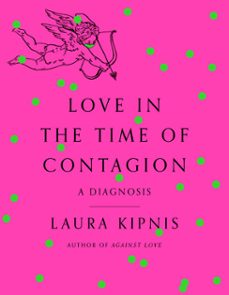
In this timely, insightful, and darkly funny investigation, the acclaimed author of Against Love asks: what does living in dystopic times do to our ability to love each other and the world?COVID-19 has produced new taxonomies of love, intimacy, and vulnerability. Will its cultural afterlife be as lasting as that of HIV, which reshaped consciousness about sex and love even after AIDS itself had been beaten back by medical science? Will COVID end up making us more relationally conservative, as some think HIV did within gay culture? Will it send us fleeing into emotional silos or coupled cocoons, despite the fact that, pre-COVID, domestic coupledom had been steadily losing fans? Just as COVID revealed our nation to itself, so did it hold a mirror up to our relationships. In Love in the Time of Contagion, Laura Kipnis weaves (often hilariously) her own (ambivalent) coupled lockdown experiences together with those of others and sets them against a larger backdrop: the politics of the virus, economic disparities, changing gender relations, and the ongoing institutional crack-ups prompted by #MeToo and Black Lives Matter, mapping their effects on the everyday routines and occasional solaces of love and sex.
Ver más
eBook
Vintage 9780307495440
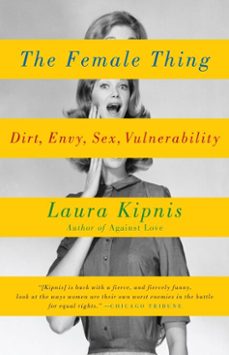
From the author of the acclaimed Against Love comes a pointed, audacious, and witty examination of the state of the female psyche in the post-post-feminist world of the twenty-first century.Women remain caught between feminism and femininity, between self-affirmation and an endless quest for self-improvement, between playing an injured party and claiming independence. Rather than blaming the usual suspectsmen, the mediaKipnis takes a hard look at culprits closer to home, namely women themselves. Kipnis serves up the gory details of the mutual displeasure between men and women in painfully hilarious detail.Is anatomy destiny after all? An ambitious and original reassessment of feminism and womens ambivalence about it, The Female Thing breathes provocative new life into that age-old question.
Ver más
eBook
Vintage 9780307510747
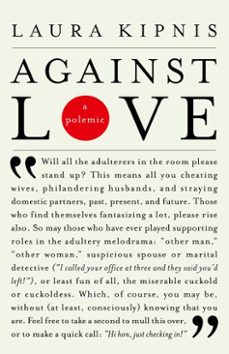
A polemic against love that is engagingly acerbic ... extremely funny.... A deft indictment of the marital ideal, as well as a celebration of the dissent that constitutes adultery, delivered in pointed daggers of prose (The New Yorker).Who would dream of being against love? No one. Love is, as everyone knows, a mysterious and all-controlling force, with vast power over our thoughts and life decisions. But is there something a bit worrisome about all this uniformity of opinion? Is this the one subject about which no disagreement will be entertained, about which one truth alone is permissible? Consider that the most powerful organized religions produce the occasional heretic; every ideology has its apostates; even sacred cows find their butchers. Except for love. Hence the necessity for a polemic against it. A polemic is designed to be the prose equivalent of a small explosive device placed under your E-Z-Boy lounger. It wont injure you (well not severely); its just supposed to shake things up and rattle a few convictions.
Ver más
eBook
Del 1 al 5 de 5