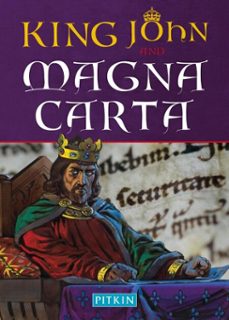
After becoming king in 1199, resentment grew and grew at the inept way John dealt with financial issues until matters came to a head with his barons.John lost his military campaigns; he was corrupt, indulged in blackmail, and manipulated the justice system more than any other king. He was a womaniser and rumours of ruthlessness surrounded him. The author provides fascinating insights into Johns rule, which ultimately leads to the story of Magna Carta. Magna Carta placed huge impositions on the king; now he could no longer rule arbitrarily but only in accordance with the law of the land. The impact of this precedence remains with us today.From the charters clauses that focussed on more mundane matters to a whole range of references to feudal issues, this guide is a perfect introduction to the incompetent rule of King John and his legacy that is Magna Carta. Calls to standardise measures of wine, ale and corn follow the collapse of empire, bound together in this informative guide complete with full-colour illustrations and contempoaray artworks.
The bloody Albigensian Crusade launched against the Cathar heretics of southern France in the early thirteenth century is infamous for its brutality and savagery, even by the standards of the Middle Ages. It was marked by massacres and acts of appalling cruelty, deeds commonly ascribed to the role of religious fanaticism. Here, in the first military history of the whole conflict, Sean McGlynn tells the story of the crusade through its epic sieges of seemingly impregnable fortresses, desperate battles and destructive campaigns, and offers expert analysis of the warfare involved, revealing the crusade in a different light as a bloody territorial conquest in which acts of terror were perpetrated to secure military aims rather than religious ones. The dramatic events of the crusade and its colourful leading characters Simon de Montfort, Louis the Lion, Innocent III, Peter of Aragon, Count Raymond of Toulouse are brought to life through the voices of contemporary writers who fought and experienced it.
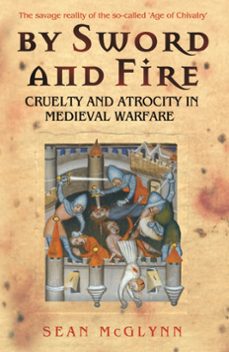
A vivid and original account of warfare in the Middle Ages and the cruelty and atrocity that accompanied it.Sean McGlynn investigates the reality of medieval warfare. For all the talk of chivalry, medieval warfare routinely involved acts which we would consider war crimes. Lands laid waste, civilians slaughtered, prisoners massacred: this was standard fare justified by tradition and practical military necessity. It was unbelievably barbaric, but seldom uncontrolled. Such acts of atrocity were calculated, hideous cruelties inflicted in order to achieve a specific end. Sean McGlynn examines the battles of Acre and Agincourt, sieges like Beziers, Lincoln, Jerusalem and Limoges as well as the infamous chevauchees of the Hundred Years War that devastated great swathes of France. He reveals how these grisly affairs form the origin of accepted rules of war, codes of conduct that are today being enforced in the International Court of Justice in the Hague.
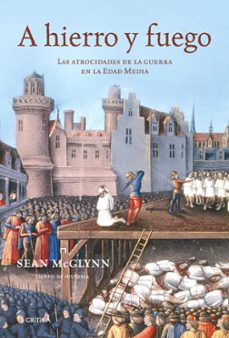
Desmitificando los tópicos con que se nos suelen presentar los tiempos de la caballería, Sean McGlynn, profesor de la Universidad de Bristol, nos descubre en este libro la salvaje realidad de la guerra en la Edad Media: una realidad de trato brutal contra soldados y civiles, de presos masacrados, ciudades saqueadas, campos devastados Nada de esto era fortuito, sino que estaba encaminado a lograr unos determinados objetivos. No se trata, sin embargo, de contarnos horrores del pasado, sino de hacernos reflexionar acerca de la naturaleza de la guerra, acerca de problemas que tienen plena vigencia en el siglo XXI.