
 Librerías
 Imprescindibles 
Más vendidos Libros más vendidos eBooks más vendidos Categorías más vendidas Libros más buscados Todos los libros Todos los libros Autores destacados Nuestros catálogos Series y sagas Blog
Recomendados Libros recomendados Clásicos imprescindibles Libros que inspiran Mens sana in corpore sano Booktokers Pelis y series Actualidad Premios
Novedades Novedades libros Novedades infantiles Novedades ebooks Próximos lanzamientos libros Próximos lanzamientos eBooks
Promociones Sorteos Libros desde 2,95€ eBooks hasta 80% descuento Ediciones especiales Libros firmados
Libros Semana Santa
Reserva un hueco en tu maleta para la lectura
Ficción 
Literatura Contemporánea Libros de bolsillo Clásicos Poesía Teatro Cuentos Literatura en otros idiomas Estudios literarios
Géneros literarios Novela romántica y erótica Novela negra Novela histórica Narrativa fantástica Novela de ciencia ficción Novela de terror Narrativa de humor Narrativa de viajes
Imprescindibles de ficción Novedades de ficción Los más leídos de ficción Recomendados de ficción Autores destacados David Uclés Sarah J. Maas Brandon Sanderson Sagas literarias La asistenta La saga de los longevos Saga Powerless
Autor del mes
Descubre todos sus libros
Top más vendidos
No Ficción
Ciencias y tecnología Biología Ciencias Ciencias naturales Divulgación científica Informática Ingeniería Matemáticas Medicina Salud y dietas Filología Biblioteconomía Estudios filológicos Estudios lingüísticos Estudios literarios Historia y crítica de la Literatura
Humanidades Autoayuda y espiritualidad Ciencias humanas Derecho Economía y Empresa Psicología y Pedagogía Filosofía Sociología Historia Arqueología Biografías Historia de España Historia local de España Historia Universal Historia por países
Arte Arquitectura Cine Diseño y moda Fotografía Historia del arte Música Pintores y escultores Estilo de vida Libros de Cocina Guías de viaje Narrativa de viajes Deportes Libros de Juegos Manualidades


Infantil 
Infantil Infantil de 0 a 2 años Infantil de 3 a 4 años Infantil de 5 a 6 años Infantil de 7 a 9 años Infantil de 10 a 12 años Infantil en otros idiomas Libros infantiles en inglés Libros infantiles en francés
Cómic y manga infantil Cómic infantil Manga infantil - Kodomo Papelería y regalo infantil Juegos educativos Juegos clásicos Juegos de cartas Djeco Puzzles Se habla de... Dejar el pañal Aprender a leer Mitología Cambio climático El universo
Imprescindibles infantiles Los más vendidos Recomendados Novedades Series infantiles Personajes Ovejita que vino a cenar Magic animals Cazamisterios Secreto de bruja Me llamo Goa Enzo Brown Crónicas de Narnia
Serie del mes
Aprende a leer con Escuela de monstruos
Juvenil
#JóvenesLectores Narrativa juvenil Clásicos adaptados Libros Wattpad Libros Booktok Libros de influencers Libros de Youtubers Libros Spicy juveniles Libros LGTBIQ+ Temas sociales Libros ciencia ficción Libros de acción y aventura Cómic y Manga Juvenil Cómic Juvenil Manga Shonen Manga Shojo
Libros de fantasía Cozy Fantasy Dark academia Hadas y Fae Romantasy Royal Fantasy Urban Fantasy Vampiros y hombres lobo Otros Misterio y terror Cozy Mistery Policiaca Spooky Terror Thriller y suspense Otros
Libros románticos y de amor Dark Romance Clean Romance Cowboy Romance Mafia y amor Romance dramatico Romcom Sport Romance Otros Clichés Enemies to Lovers Friends to Lovers Hermanastros Slow Burn Fake Dating Triángulo amoroso

Cómic y Manga 
Novela gráfica Novela gráfica americana Novela gráfica europea Novela gráfica de otros países Personajes, series y sagas Series y sagas Superhéroes Cómics DC Cómics Marvel Cómics otros superhéroes
Cómics Libros de ilustración Cómic de humor Cómic erótico Historia y técnica Cómic infantil y juvenil Cómic infantil Cómic juvenil Juegos y merchandising Libros de juegos de rol Juegos Figuras
Dragon ball
¡La aventura te espera! Completa tu colección de Dragon Ball
Books in English 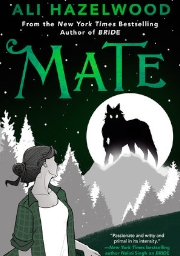
Books in English Fiction Non Fiction Comic Teen & Young Adult Main Authors Ken Follett Agatha Christie Stephen King Jane Austen Maggie O’Farrell
Books in English for Young Adults Age 13+ Age 15+ Young Adult Authors Rebecca Yarros Sarah J. Maas Brandon Sanderson Ali Hazelwood Alice Oseman
Books in English for Kids Age 0-2 Age 3-4 Age 5-6 Age 7-9 Age 10-12 eBooks Fiction Non Fiction On sale
Mate
The global bestseller and TikTok sensation

Llibres en català 
Llibres en català Més venuts Recomanats Novetats Categories principals Literatura Història C. humanes Autoajuda Juvenil
Infantils 0-2 any 3-4 anys 5-6 anys 7-9 anys 10-12 anys Recomanats infantils Llibres de text Lectures precriptives
eBooks Novetats Autors Albert Sánchez Piñol Regina Rodríguez Sirvent Sílvia Soler Gil Pratsobrerroca Editorial del mes Barcanova Ofertes
Premis en català
No et perdis els millors premis

eBooks/Audiolibros 
Literatura en eBook Contemporánea Narrativa fantástica Novela de ciencia ficción Novela de terror Novela histórica Novela negra Novela romántica y erótica Literatura en otros idiomas Juvenil en eBook Fantasía y magia Romance y amor Misterio y terror Temas sociales Infantil en eBook eBooks infantiles
Ciencia y tecnología en eBook Ciencias naturales Divulgación científica Medicina Salud y dietas Filología en eBook Humanidades en eBook Autoayuda y espiritualidad Ciencias humanas Política Derecho Economía y Empresa Historia en eBook Arte en eBook Estilo de vida en eBook Cocina
Imprescindibles en eBook Más vendidos Recomendados Novedades Ediciones especiales Promociones Más buscados Próximos lanzamientos eReader Vivlio Vivlio Light HD Color Vivlio Light 6 HD Vivlio Light 6 Vivlio Inkpad 4 Cómo leer un eBook Apps Casa del Libro App Casa del Libro
Disfruta los audiolibros 🎧
Los mejores audiolibros en Casa del Libro

Papelería 
Agendas y calendarios Agendas escolares Agendas 2026 Calendarios 2026 Juegos y puzles Juegos de mesa Juegos de cartas Juegos clásicos Juegos educativos Juegos experto Manualidades Puzles Bolsas y Tote bag Bolsas de tela Bolsas Casa del Libro
Accesorios de escritorio Cuadernos y libretas Material de escritura Bolígrafos borrables Estuches Carpetas Postales Papel de regalo Otros Merchandising Figuras Menaje Papelería Mr. Wonderful Tantanfan
Accesorios de lectura Marcapáginas Lámparas de lectura Fundas de libros Atriles Gafas Otros Regalos Regalos de literatura Tarjeta regalo eReader Vivlio Vivlio Light HD Color Vivlio Light 6 HD Vivlio Light 6 Vivlio Inkpad 4 Cómo leer un eBook
Elige tu eReader Vivlio
Descubre nuestra colección de eReaders


Brigitte Reimann
Recibe novedades de Brigitte Reimann directamente en tu email
Filtros
Del 1 al 6 de 6
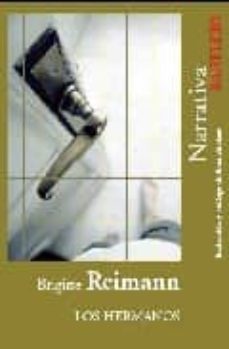
BARTLEBY EDITORES 9788495408914
Brigitte Reimann fue un prodigio en la literatura de la República Democrática Alemana y uno de los mayores talentos narrativos de la posguerra en lengua germana. Sus novelas causaban furor entre una juventud que no reconocia sus problemas en la linea oficial del realismo socialista. Los hermanos, aparecida poco despues de la construccion del Muro de Berlin, es la respuesta de Reimann a su propio drama familiar, la huida de uno de sus hermanos a la Alemania Occidental. La obra le valio el premio Heinrich Mann (la mas alta consideracion literaria de la RDA) y el reconocimiento de toda una generacion de lectores. Su publicacion ahora en España viene a ampliar el espacio que en otras artes se ha abierto al conocimiento de la realidad cotidiana de la antigua Alemania del Este: Los hermanos complementa y enriquece, desde la literatura, la aportacion de peliculas de indudable calidad y repercusion publica, como Goodbye Lenin o La vida de los otros, a ese alumbramiento. El talento de Brigitte Reimann para aunar la peripecia individual con el destino colectivo hace de esta novela un monumento intemporal.
Ver más
Tapa blanda

Errata Naturae Editores 9788416544196
En la República Democrática Alemana, un país en construcción, Franziska, joven arquitecta, afronta su primer trabajo lejos de la gran ciudad. En ese lugar lejano no sólo se enfrentará a sus deseos de sintetizar lo necesario con lo bello, sino tambien a los ecos de su pasado: el dramatico final de la guerra, las historias de su abuela sobre otra epoca mas hermosa, su primer amor, su matrimonio fracasado... Hay pocos retratos femeninos tan sugerentes: desde una efervescente etapa juvenil, con un aire de novela de formacion, hasta el presente de monologos interiores, todo el relato vibra con la existencia de personajes extraordinarios, pero sobre todo gracias a Franziska. Un monumento de la literatura alemana en su intensidad y libertad, una obra maestra.
Ver más
Tapa blanda
DK 9780241718971
A gripping never before translated novella by the cult writer of SiblingsKathrin five years into a disenchanting marriage struggles to work the farm with her sister in law while her husband Heinrich is away fighting for the Third Reich To help them with the harvest Heinrich arranges for Alexei a Russian prisoner of war to labour in the fields Though initially suspicious of this watchful stranger Kathrin is soon drawn to Alexei with ruinous consequences First published in 1956 Woman in the Pillory is a formative novella by one of East Germany s most significant writers showcasing Brigitte Reimann s vivid ideological engagement with the legacy of Nazi Germany and the Communist drive to create a new kind of person following the devastation of the war Translated by Lucy Jones
Ver más
Tapa blanda

Penguin 9781802067323
A gripping, never-before-translated novella by the cult writer of SiblingsKathrin five years into a disenchanting marriage struggles to work the farm with her sister-in-law while her husband Heinrich is away fighting for the Third Reich. To help them with the harvest, Heinrich arranges for Alexei, a Russian prisoner of war, to labour in the fields. Though initially suspicious of this watchful stranger, Kathrin is soon drawn to Alexei, with ruinous consequences.First published in 1956, Woman in the Pillory is a formative novella by one of East Germanys most significant writers, showcasing Brigitte Reimanns vivid ideological engagement with the legacy of Nazi Germany and the Communist drive to create a new kind of person following the devastation of the war.Translated by Lucy Jones
Ver más
eBook

Métailié 9791022614825
L’œuvre de Brigitte Reimann – à l’instar de celle de Christa Wolf – est considérée comme un classique de la littérature est-allemande. Son roman Une fratrie, publié en RDA en 1963, déclencha de vives
Ver más
eBook
Penguin 9780141999494
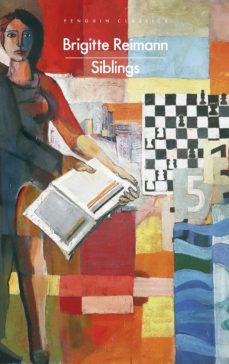
Spare, chilling, with wild flashes of vivid colour and the tempo of a thriller, Siblings jolts us into the beating heart of a family and post-war East Germany, conjuring the political dreams and divisions that make and ultimately break both Lisa Appignanesi1960. The border between East and West Germany has closed.For Elisabeth - a young painter - the GDR is her generations chance to build a glorious, egalitarian socialist future. For her brother Uli, it is a place of stricture and oppression. Separating them is the ever-wider chasm of the Party line; over them loom the twin spectres of opportunity and fear, and the shadow of their defector brother Konrad. In prose as bold as a scarlet paint stroke, Brigitte Reimann battles with the clash of idealism and suppression, familial loyalty, and desire. The result is this ground-breaking classic of post-war East German literature.Translated by Lucy Jones
Ver más
eBook
Del 1 al 6 de 6