
 Librerías
 Imprescindibles 
Más vendidos Libros más vendidos eBooks más vendidos Categorías más vendidas Libros más buscados Todos los libros Todos los libros Autores destacados Nuestros catálogos Series y sagas Blog
Recomendados Libros recomendados Clásicos imprescindibles Libros que inspiran Mens sana in corpore sano Booktokers Pelis y series Actualidad Premios
Novedades Novedades libros Novedades infantiles Novedades ebooks Próximos lanzamientos libros Próximos lanzamientos eBooks
Promociones Sorteos Libros desde 2,95€ eBooks hasta 80% descuento Ediciones especiales Libros firmados
Leer es una fiesta
Vive el Día del Libro
Ficción 
Literatura Contemporánea Libros de bolsillo Clásicos Poesía Teatro Cuentos Literatura en otros idiomas Estudios literarios
Géneros literarios Novela romántica y erótica Novela negra Novela histórica Narrativa fantástica Novela de ciencia ficción Novela de terror Narrativa de humor Narrativa de viajes
Imprescindibles de ficción Novedades de ficción Los más leídos de ficción Recomendados de ficción Autores destacados David Uclés Sarah J. Maas Brandon Sanderson Sagas literarias La asistenta La saga de los longevos Saga Powerless
Rebelde el que lee
Leer es, hoy más que nunca, un acto de rebeldía

No Ficción
Ciencias y tecnología Biología Ciencias Ciencias naturales Divulgación científica Informática Ingeniería Matemáticas Medicina Salud y dietas Filología Biblioteconomía Estudios filológicos Estudios lingüísticos Estudios literarios Historia y crítica de la Literatura
Humanidades Autoayuda y espiritualidad Ciencias humanas Derecho Economía y Empresa Psicología y Pedagogía Filosofía Sociología Historia Arqueología Biografías Historia de España Historia local de España Historia Universal Historia por países
Arte Arquitectura Cine Diseño y moda Fotografía Historia del arte Música Pintores y escultores Estilo de vida Libros de Cocina Guías de viaje Narrativa de viajes Deportes Libros de Juegos Manualidades


Infantil Ver más
Infantil Infantil de 0 a 2 años Infantil de 3 a 4 años Infantil de 5 a 6 años Infantil de 7 a 9 años Infantil de 10 a 12 años Infantil en otros idiomas Libros infantiles en inglés Libros infantiles en francés
Cómic y manga infantil Cómic infantil Manga infantil - Kodomo Papelería y regalo infantil Juegos educativos Juegos clásicos Juegos de cartas Djeco Puzzles Se habla de... Dejar el pañal Aprender a leer Mitología Cambio climático El universo
Imprescindibles infantiles Los más vendidos Recomendados Novedades Series infantiles Personajes Ovejita que vino a cenar Magic animals Cazamisterios Secreto de bruja Me llamo Goa Enzo Brown Crónicas de Narnia
Rebelde el que lee
Leer es, hoy más que nunca, un acto de rebeldía
Juvenil
#JóvenesLectores Narrativa juvenil Clásicos adaptados Libros Wattpad Libros Booktok Libros de influencers Libros de Youtubers Libros Spicy juveniles Libros LGTBIQ+ Temas sociales Libros ciencia ficción Libros de acción y aventura Cómic y Manga Juvenil Cómic Juvenil Manga Shonen Manga Shojo
Libros de fantasía Cozy Fantasy Dark academia Hadas y Fae Romantasy Royal Fantasy Urban Fantasy Vampiros y hombres lobo Otros Misterio y terror Cozy Mistery Policiaca Spooky Terror Thriller y suspense Otros
Libros románticos y de amor Dark Romance Clean Romance Cowboy Romance Mafia y amor Romance dramatico Romcom Sport Romance Otros Clichés Enemies to Lovers Friends to Lovers Hermanastros Slow Burn Fake Dating Triángulo amoroso

Cómic y Manga Ver más
Novela gráfica Novela gráfica americana Novela gráfica europea Novela gráfica de otros países Personajes, series y sagas Series y sagas Superhéroes Cómics DC Cómics Marvel Cómics otros superhéroes
Cómics Libros de ilustración Cómic de humor Cómic erótico Historia y técnica Cómic infantil y juvenil Cómic infantil Cómic juvenil Juegos y merchandising Libros de juegos de rol Juegos Figuras
Rebelde el que lee
Leer es, hoy más que nunca, un acto de rebeldía

Books in English 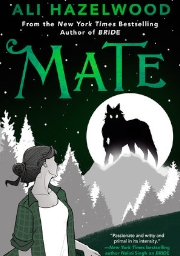
Books in English Fiction Non Fiction Comic Teen & Young Adult Main Authors Ken Follett Agatha Christie Stephen King Jane Austen Maggie O’Farrell
Books in English for Young Adults Age 13+ Age 15+ Young Adult Authors Rebecca Yarros Sarah J. Maas Brandon Sanderson Ali Hazelwood Alice Oseman
Books in English for Kids Age 0-2 Age 3-4 Age 5-6 Age 7-9 Age 10-12 eBooks Fiction Non Fiction On sale
Mate
The global bestseller and TikTok sensation

Llibres en català 
Llibres en català Més venuts Recomanats Novetats Categories principals Literatura Història C. humanes Autoajuda Juvenil
Infantils 0-2 any 3-4 anys 5-6 anys 7-9 anys 10-12 anys Recomanats infantils Llibres de text Lectures precriptives
eBooks Novetats Autors Albert Sánchez Piñol Regina Rodríguez Sirvent Sílvia Soler Gil Pratsobrerroca Editorial del mes Barcanova Ofertes
Mes del Libre
Descomptes exclusius per a Socis


eBooks/Audiolibros 
Literatura en eBook Contemporánea Narrativa fantástica Novela de ciencia ficción Novela de terror Novela histórica Novela negra Novela romántica y erótica Literatura en otros idiomas Juvenil en eBook Fantasía y magia Romance y amor Misterio y terror Temas sociales Infantil en eBook eBooks infantiles
Ciencia y tecnología en eBook Ciencias naturales Divulgación científica Medicina Salud y dietas Filología en eBook Humanidades en eBook Autoayuda y espiritualidad Ciencias humanas Política Derecho Economía y Empresa Historia en eBook Arte en eBook Estilo de vida en eBook Cocina
Imprescindibles en eBook Más vendidos Recomendados Novedades Ediciones especiales Promociones Más buscados Próximos lanzamientos eBooks firmados eReader Vivlio Vivlio Light HD Color Vivlio Light 6 HD Vivlio Light 6 Vivlio Inkpad 4 Cómo leer un eBook Apps Casa del Libro App Casa del Libro
Mes del Libro
Descuentos exclusivos para Socios


Papelería 
Agendas y calendarios Agendas escolares Agendas 2026 Calendarios 2026 Juegos y puzles Juegos de mesa Juegos de cartas Juegos clásicos Juegos educativos Juegos experto Manualidades Puzles Bolsas y Tote bag Bolsas de tela Bolsas Casa del Libro
Accesorios de escritorio Cuadernos y libretas Material de escritura Bolígrafos borrables Estuches Carpetas Postales Papel de regalo Otros Merchandising Figuras Menaje Papelería Mr. Wonderful Tantanfan
Accesorios de lectura Marcapáginas Lámparas de lectura Fundas de libros Atriles Gafas Otros Regalos Regalos de literatura Tarjeta regalo eReader Vivlio Vivlio Light HD Color Vivlio Light 6 HD Vivlio Light 6 Vivlio Inkpad 4 Cómo leer un eBook
Elige tu eReader Vivlio
Descubre nuestra colección de eReaders


Craig B. Smith
Recibe novedades de Craig B. Smith directamente en tu email
Filtros
Del 1 al 3 de 3
Smithsonian Books 9781588346261
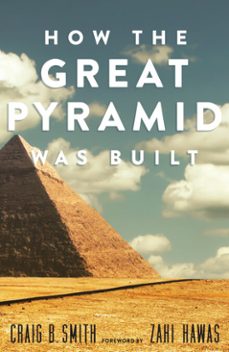
Going beyond even the expertise of archaeologists and historians, world-class engineer Craig B. Smith explores the planning and engineering behind the incredible Great Pyramid of Giza. How would the ancient Egyptians have developed their building plans, devised work schedules, managed laborers, solved specific design and engineering problems, or even improvised on the job? The answers are here, along with dazzling, one-of-a-kind color photographs and beautiful hand-drawn illustrations of tools, materials, and building techniques the ancient masters used. In his foreword to the book, Egypts Undersecretary of State for the Giza Monuments Zahi Hawass explains the importance of understanding the Great Pyramid as a straightforward construction project.
Ver más
eBook

Smithsonian Books 9781588343567
Counting the Days is the story of six prisoners of war imprisoned by both sides during the conflict the Japanese called the "Pacific War." As in all wars, the prisoners were civilians as well as military personnel. Two of the prisoners were captured on the second day of the war and spent the entire war in prison camps: Garth Dunn, a young Marine captured on Guam who faced a death rate in a Japanese prison 10 times that in battle; and Ensign Kazuo Sakamaki, who suffered the ignominy of being Japanese POW number 1. Simon and Lydia Peters were European expatriates living in the Philippines; the Japanese confiscated their house and belongings, imprisoned them, and eventually released them to a harrowing jungle existence caught between Philippine guerilla raids and Japanese counterattacks. Mitsuye Takahashi was a U.S. citizen of Japanese descent living in Malibu, California, who was imprisoned by the United States for the duration of the war, disrupting her life and separating her from all she owned. Masashi Itoh was a Japanese soldier who remained hidden in the jungles of Guam, held captive by his own conscience and beliefs until 1960, 15 years after the end of the war. This is the story of their struggles to stay alive, the small daily triumphs that kept them goingand for some, their almost miraculous survival.
Ver más
eBook
Editorial Crítica 9788484328889
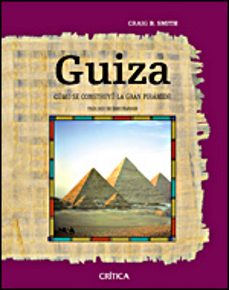
Tras la fascinación visual que ejercen sobre nosotros las pirámides de Egipto, llenas de magia y misterio, late siempre la perplejidad: ¿cómo se las arreglaron los antiguos egipcios, hace 4.500 años, para levantar esas esplendidas estructuras?, ¿como resolvieron los complicadisimos problemas de ingenieria que planteaba un proyecto tan colosal? ¿como se organizo la inmensa mano de obra necesaria para su construccion? Craig B. Smith, ingeniero de formacion, nos explica en este libro bellamente ilustrado- los secretos de la planificacion y la ereccion de la Gran Piramide de Guiza: que herramientas y materiales se usaron, como eran las tecnicas de construccion de los maestros de obra egipcios, que unidades de medida existian entonces, como se hizo el calculo matematico de los bloques necesarios y, sobre todo, como era la vida y el trabajo de toda aquella humanidad dedicada a construir la gran escalera que conducia al faraon a la inmortalidad. Guiza es una obra fundamental para estudiantes y eruditos, pero tambien para el publico general porque, como afirma Zahi Hawass, la ingente organizacion que implico la construccion de la Gran Piramide es mas importante que la propia piramide.
Ver más
Tapa dura
Del 1 al 3 de 3