
 Librerías
 Imprescindibles 
Más vendidos Libros más vendidos eBooks más vendidos Categorías más vendidas Libros más buscados Todos los libros Todos los libros Autores destacados Nuestros catálogos Series y sagas Blog
Recomendados Libros recomendados Clásicos imprescindibles Libros que inspiran Mens sana in corpore sano Booktokers Pelis y series Actualidad Premios
Novedades Novedades libros Novedades infantiles Novedades ebooks Próximos lanzamientos libros Próximos lanzamientos eBooks
Promociones Sorteos Libros desde 2,95€ eBooks hasta 80% descuento Ediciones especiales Libros firmados
Mes del Libro
Rebelde el que lee
Ficción 
Literatura Contemporánea Libros de bolsillo Clásicos Poesía Teatro Cuentos Literatura en otros idiomas Estudios literarios
Géneros literarios Novela romántica y erótica Novela negra Novela histórica Narrativa fantástica Novela de ciencia ficción Novela de terror Narrativa de humor Narrativa de viajes
Imprescindibles de ficción Novedades de ficción Los más leídos de ficción Recomendados de ficción Autores destacados David Uclés Sarah J. Maas Brandon Sanderson Sagas literarias La asistenta La saga de los longevos Saga Powerless
Autor del mes
Descubre todos sus libros



No Ficción
Ciencias y tecnología Biología Ciencias Ciencias naturales Divulgación científica Informática Ingeniería Matemáticas Medicina Salud y dietas Filología Biblioteconomía Estudios filológicos Estudios lingüísticos Estudios literarios Historia y crítica de la Literatura
Humanidades Autoayuda y espiritualidad Ciencias humanas Derecho Economía y Empresa Psicología y Pedagogía Filosofía Sociología Historia Arqueología Biografías Historia de España Historia local de España Historia Universal Historia por países
Arte Arquitectura Cine Diseño y moda Fotografía Historia del arte Música Pintores y escultores Estilo de vida Libros de Cocina Guías de viaje Narrativa de viajes Deportes Libros de Juegos Manualidades



Infantil 
Infantil Infantil de 0 a 2 años Infantil de 3 a 4 años Infantil de 5 a 6 años Infantil de 7 a 9 años Infantil de 10 a 12 años Infantil en otros idiomas Libros infantiles en inglés Libros infantiles en francés
Cómic y manga infantil Cómic infantil Manga infantil - Kodomo Papelería y regalo infantil Juegos educativos Juegos clásicos Juegos de cartas Djeco Puzzles Se habla de... Dejar el pañal Aprender a leer Mitología Cambio climático El universo
Imprescindibles infantiles Los más vendidos Recomendados Novedades Series infantiles Personajes Ovejita que vino a cenar Magic animals Cazamisterios Secreto de bruja Me llamo Goa Enzo Brown Crónicas de Narnia
Serie del mes
Aprende a leer con Escuela de monstruos



Juvenil
#JóvenesLectores Narrativa juvenil Clásicos adaptados Libros Wattpad Libros Booktok Libros de influencers Libros de Youtubers Libros Spicy juveniles Libros LGTBIQ+ Temas sociales Libros ciencia ficción Libros de acción y aventura Cómic y Manga Juvenil Cómic Juvenil Manga Shonen Manga Shojo
Libros de fantasía Cozy Fantasy Dark academia Hadas y Fae Romantasy Royal Fantasy Urban Fantasy Vampiros y hombres lobo Otros Misterio y terror Cozy Mistery Policiaca Spooky Terror Thriller y suspense Otros
Libros románticos y de amor Dark Romance Clean Romance Cowboy Romance Mafia y amor Romance dramatico Romcom Sport Romance Otros Clichés Enemies to Lovers Friends to Lovers Hermanastros Slow Burn Fake Dating Triángulo amoroso



Cómic y Manga 
Novela gráfica Novela gráfica americana Novela gráfica europea Novela gráfica de otros países Personajes, series y sagas Series y sagas Superhéroes Cómics DC Cómics Marvel Cómics otros superhéroes
Cómics Libros de ilustración Cómic de humor Cómic erótico Historia y técnica Cómic infantil y juvenil Cómic infantil Cómic juvenil Juegos y merchandising Libros de juegos de rol Juegos Figuras
Dragon ball
¡La aventura te espera! Completa tu colección de Dragon Ball



Books in English 
Books in English Fiction Non Fiction Comic Teen & Young Adult Main Authors Ken Follett Agatha Christie Stephen King Jane Austen Maggie O’Farrell
Books in English for Young Adults Age 13+ Age 15+ Young Adult Authors Rebecca Yarros Sarah J. Maas Brandon Sanderson Ali Hazelwood Alice Oseman
Books in English for Kids Age 0-2 Age 3-4 Age 5-6 Age 7-9 Age 10-12 eBooks Fiction Non Fiction On sale
Mate
The global bestseller and TikTok sensation



Llibres en català 
Llibres en català Més venuts Recomanats Novetats Categories principals Literatura Història C. humanes Autoajuda Juvenil
Infantils 0-2 any 3-4 anys 5-6 anys 7-9 anys 10-12 anys Recomanats infantils Llibres de text Lectures precriptives
eBooks Novetats Autors Albert Sánchez Piñol Regina Rodríguez Sirvent Sílvia Soler Gil Pratsobrerroca Editorial del mes Barcanova Ofertes
Premis en català
No et perdis els millors premis


eBooks/Audiolibros 
Literatura en eBook Contemporánea Narrativa fantástica Novela de ciencia ficción Novela de terror Novela histórica Novela negra Novela romántica y erótica Literatura en otros idiomas Juvenil en eBook Fantasía y magia Romance y amor Misterio y terror Temas sociales Infantil en eBook eBooks infantiles
Ciencia y tecnología en eBook Ciencias naturales Divulgación científica Medicina Salud y dietas Filología en eBook Humanidades en eBook Autoayuda y espiritualidad Ciencias humanas Política Derecho Economía y Empresa Historia en eBook Arte en eBook Estilo de vida en eBook Cocina
Imprescindibles en eBook Más vendidos Recomendados Novedades Ediciones especiales Promociones Más buscados Próximos lanzamientos eReader Vivlio Vivlio Light HD Color Vivlio Light 6 HD Vivlio Light 6 Vivlio Inkpad 4 Cómo leer un eBook Apps Casa del Libro App Casa del Libro
Disfruta los audiolibros 🎧
Los mejores audiolibros en Casa del Libro



Papelería 
Agendas y calendarios Agendas escolares Agendas 2026 Calendarios 2026 Juegos y puzles Juegos de mesa Juegos de cartas Juegos clásicos Juegos educativos Juegos experto Manualidades Puzles Bolsas y Tote bag Bolsas de tela Bolsas Casa del Libro
Accesorios de escritorio Cuadernos y libretas Material de escritura Bolígrafos borrables Estuches Carpetas Postales Papel de regalo Otros Merchandising Figuras Menaje Papelería Mr. Wonderful Tantanfan
Accesorios de lectura Marcapáginas Lámparas de lectura Fundas de libros Atriles Gafas Otros Regalos Regalos de literatura Tarjeta regalo eReader Vivlio Vivlio Light HD Color Vivlio Light 6 HD Vivlio Light 6 Vivlio Inkpad 4 Cómo leer un eBook
Elige tu eReader Vivlio
Descubre nuestra colección de eReaders


David Boaz
Recibe novedades de David Boaz directamente en tu email
Filtros
Del 1 al 5 de 5

GOTA A GOTA EDICIONES 9788496729018
David Boaz ofrece un cuestionario para que el lector pueda medir cuánto hay de liberal en él. Con este juego culmina una obra en la que –como destaca Pedro Schwartz en el Prólogo– Boaz detalla los pr
Ver más
Tapa dura

TOUCHSTONE (SIMON & SCHUSTER) 9780684847689
Tapa blanda
Free Press 9781439195154
Tens of millions of Americans, from Generation X-ers to baby boomers and beyond, are rediscovering libertarianism, a visionary alternative to the tired party orthodoxies of left and right. In 1995 a Gallup poll found that 52 percent of Americans said "the federal government has become so large and powerful that it poses an immediate threat to the rights and freedoms of ordinary citizens." Later that year, The Wall Street Journal concurred, saying: "Because of their growing disdain for government, more and more Americans appear to be driftingoften unwittinglytoward a libertarian philosophy."Libertarianism is hardly new, but its framework for liberty under law and economic progress makes it especially suited for the dynamic new era we are now entering. In the United States, the bureaucratic leviathan is newly threatened by a resurgence of the libertarian ideas upon which the country was founded. We are witnessing a breakdown of all the cherished beliefs of the welfare-warfare state. Americans have seen the failure of big government. Now, in the 1990s, we are ready to apply the lessons of this century to make the next one the century not of the state but of the free individual.David Boaz presents the essential guidebook to the libertarian perspective, detailing its roots, central tenets, solutions to contemporary policy dilemmas, and future in American politics. He confronts head-on the tough questions frequently posed to libertarians: What about inequality? Who protects the environment? What ties people together if they are essentially self-interested? A concluding section, "Are You a Libertarian?" gives readers a chance to explore the substance of their own beliefs. Libertarianism is must reading for understanding one of the most exciting and hopeful movements of our time.
Ver más
eBook
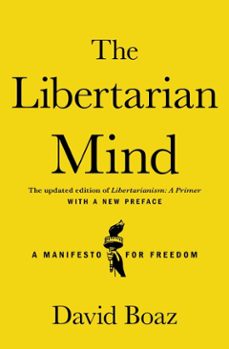
Simon & Schuster 9781476752877
An updated edition of David Boazs timeless primer on libertarianism, with a new preface by the author.Libertarianismthe philosophy of personal and economic freedomhas deep roots in Western civilization and in American history, with increasing appeal to those dissatisfied with the status quo. The growth of executive power, chronic deficits, counterproductive foreign military interventions, protectionist trade measures, a costly drug war, and many other threats to civil liberties have pushed millions of Americans in a libertarian direction.The Libertarian Mind is a comprehensive guide to the history and philosophy of this movement. This updated edition delves into the principles of libertarianism, exploring its roots and its development over time. It offers a rich collection of ideas that present a compelling case for individual liberty and mutual cooperation. Challenging the notion of top-down governmental control, the book advocates instead for a society built on freedom and individual rights.But The Libertarian Mind is more than just a book; its a manifesto for freedom. Its a call to action for those who believe in the sovereignty and fundamental dignity of the individual and the importance of political freedom.
Ver más
eBook
Free Press 9781439118337
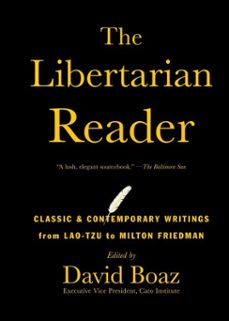
The first collection of seminal writings on a movement that is rapidly changing the face of American politics, The Libertarian Reader links some of the most fertile minds of our time to a centuries-old commitment to freedom, self-determination, and opposition to intrusive government. A movement that today counts among its supporters Steve Forbes, Nat Hentoff, and P.J. ORourke, libertarianism joins a continuous thread of political reason running throughout history.Writing in 1995 about the large numbers of Americans who say theyd welcome a third party, David Broder of The Washington Post commented, "The distinguishing characteristic of these potential independent votersaside from their disillusionment with Washington politicians of both partiesis their libertarian streak. They are skeptical of the Democrats because they identify them with big government. They are wary of the Republicans because of the growing influence within the GOP of the religious right."In The Libertarian Reader, David Boaz has gathered the writers and works that represent the building blocks of libertarianism. These individuals have spoken out for the basic freedoms that have made possible the flowering of spiritual, moral, and economic life. For all independent thinkers, this unique sourcebook will stand as a classic reference for years to come, and a reminder that libertarianism is one of our oldest and most venerable American traditions.
Ver más
eBook
Del 1 al 5 de 5