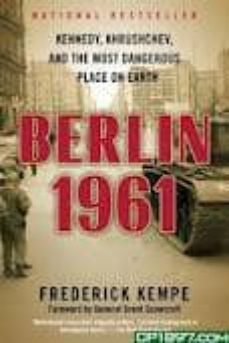
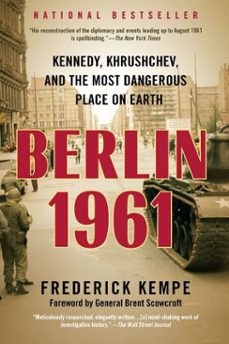
Based on a wealth of new documents and interviews, filled with fresh--sometimes startling--insights, written with immediacy and drama, "Berlin 1961" is a masterly look at key events of the 20th century, with powerful applications to these early years of the 21st.
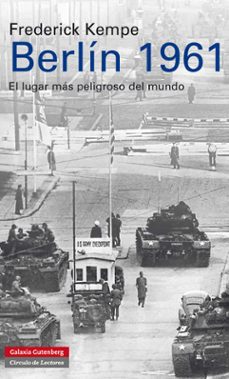
Mucho se ha hablado y escrito sobre la caída del muro de Berlín. Muy poco, en cambio, sobre su construcción. Y sin embargo fue el acontecimiento más decisivo de la guerra fría y nunca como en esos meses de 1961 el mundo estuvo tan cerca de la Tercera Guerra Mundial. ¿Quien y por que decidio la construccion del muro de Berlin? ¿Que papel desempeñaron las relaciones personales entre J.F. Kennedy y Nikita Jrushchov? ¿Y la China de Mao? ¿Que llevo en aquellas tensas semanas de octubre de 1961 a los tanques norteamericanos y sovieticos a apuntarse mutuamente a tan solo unos metros de distancia en las calles de Berlin? Un error, los nervios de un soldado o un mando militar demasiado celoso y hubiera prendido la mecha de la primera guerra nuclear de la historia. Por eso Berlin fue en 1961 el lugar mas peligroso de la tierra. Basado en documentos sovieticos, alemanes y norteamericanos recientemente desclasificados, Berlin 1961 nos ofrece una vision unica de uno de los acontecimientos mas cruciales de la reciente historia europea, combinando la tecnica narrativa periodistica, la habilidad analitica del investigador politico y el rigor propio del historiador.
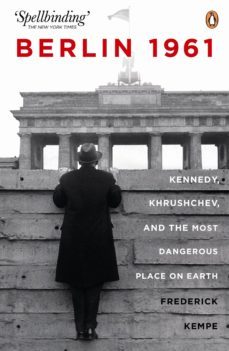
A mind-shaking work of investigative history (Wall Street Journal)Checkpoint Charlie, 27 October 1961. At 9pm on a damp night, the Cold War reaches crisis point. US and Soviet tanks face off across the East-West divide, only yards apart. One mistake, one nervous soldier, could spring the tripwire for nuclear war...Frederick Kempes gripping book tells the story of the Cold Wars most dramatic year, when Berlin became what Khrushchev called the most dangerous place on earth. Kempe re-creates the war of nerves between the young, untested President Kennedy and the bombastic Soviet leader as they squared off over the future of a divided city. He interweaves this with stories of the ordinary citizens whose lives were torn apart when the Berlin Wall went up - and the world came to the brink of disaster.
Mucho se ha hablado y escrito sobre la caídadel Muro de Berlín. Muy poco, en cambio,sobre su construcción. Y sin embargo fueel acontecimiento más decisivo de la guerra fríay nunca como en esos meses de 1961 el mundoestuvo tan cerca de la Tercera Guerra Mundial.¿Quien y por que decidio la construcciondel Muro de Berlin? ¿Que papel desempeñaronlas relaciones personales entre J. F. Kennedyy Nikita Jrushchov? ¿Y la China de Mao? ¿Quellevo en aquellas tensas semanas de octubrede 1961 a los tanques norteamericanosy sovieticos a apuntarse mutuamente a tan solounos metros de distancia en las calles de Berlin? Un error, los nervios de un soldado o un mandomilitar demasiado celoso y hubiera prendidola mecha de la primera guerra nuclearde la historia. Por eso Berlin fue en 1961el lugar mas peligroso de la tierra. Basado en documentos sovieticos, alemanesy norteamericanos recientemente desclasificados,Berlin 1961 nos ofrece una vision unica de unode los acontecimientos mas cruciales de lareciente historia europea, combinando la tecnicanarrativa periodistica, la habilidad analiticadel investigador politico y el rigor propio delhistoriador.
In June 1961, Nikita Khrushchev called Berlin "the most dangerous place on earth." He knew what he was talking about. Much has been written about the Cuban Missile Crisis a year later, but the Berlin Crisis of 1961 was more decisive in shaping the Cold War-and more perilous. It was in that hot summer that the Berlin Wall was constructed, which would divide the world for another twenty-eight years. Then two months later, and for the first time in history, American and Soviet fighting men and tanks stood arrayed against each other, only yards apart. One mistake, one nervous soldier, one overzealous commander-and the tripwire would be sprung for a war that could go nuclear in a heartbeat.On one side was a young, untested U.S. president still reeling from the Bay of Pigs disaster and a humiliating summit meeting that left him grasping for ways to respond. It would add up to be one of the worst first-year foreign policy performances of any modern president. On the other side, a Soviet premier hemmed in by the Chinese, East Germans, and hardliners in his own government. With an all-important Party Congress approaching, he knew Berlin meant the difference not only for the Kremlins hold on its empire-but for his own hold on the Kremlin.Neither man really understood the other, both tried cynically to manipulate events. And so, week by week, they crept closer to the brink.Based on a wealth of new documents and interviews, filled with fresh-sometimes startling-insights, written with immediacy and drama, Berlin 1961 is an extraordinary look at key events of the twentieth century, with powerful applications to these early years of the twenty-first.Includes photographs