

































FRANCÉS
Une fille d'autrefois
Nouvelle traduction française, édition intégrale (Novelaris)
Sinopsis
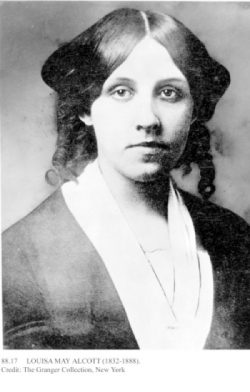
Polly Milton arrive de la campagne pour passer lhiver chez son amie Fanny Shaw à Boston — un monde de luxe, de mode et de divertissements superficiels. Polly ne cherche pas à sy fondre, et ne sen cache pas. Tom, le frère de Fanny, sirrite de ses valeurs démodées — et se retrouve de plus en plus fasciné. Fanny elle-même commence à douter dune vie quelle na jamais remise en question. Louisa May Alcott montre comment une jeune femme qui refuse de jouer le jeu dérange davantage — et change plus — que ceux qui sy conforment sans réfléchir. Cette nouvelle traduction dUne fille dautrefois de Louisa May Alcott, paru en 1870 — un roman sur une jeune femme qui reste elle-même dans un monde qui ne le lui demande pas.
Léelo en cualquier dispositivo


Ficha Técnica
Editorial: Novelaris
ISBN: 9783689315658
Idioma: Francés
Fecha de lanzamiento: 02/08/2026
Especificaciones del producto
Recibe novedades de Louisa May Alcott directamente en tu email
Reseñas sobre Une fille d'autrefois
Comparte tu experiencia con la comunidad lectora.
0 Reseñas
5 0
4 0
3 0
2 0
1 0
Sólo por opinar entras en el sorteo mensual de tres tarjetas regalo valoradas en
20€
Publicar una opinión supone haber leído y aceptado las
bases del sorteo
"Tu opinión tiene premio".