
 Librerías
 Imprescindibles 
Más vendidos Libros más vendidos eBooks más vendidos Categorías más vendidas Libros más buscados Todos los libros Todos los libros Autores destacados Nuestros catálogos Series y sagas Blog
Recomendados Libros recomendados Clásicos imprescindibles Libros que inspiran Mens sana in corpore sano Booktokers Pelis y series Actualidad Premios
Novedades Novedades libros Novedades infantiles Novedades ebooks Próximos lanzamientos libros Próximos lanzamientos eBooks
Promociones Sorteos Libros desde 2,95€ eBooks hasta 80% descuento Ediciones especiales Libros firmados
Libros Semana Santa
Reserva un hueco en tu maleta para la lectura
Ficción 
Literatura Contemporánea Libros de bolsillo Clásicos Poesía Teatro Cuentos Literatura en otros idiomas Estudios literarios
Géneros literarios Novela romántica y erótica Novela negra Novela histórica Narrativa fantástica Novela de ciencia ficción Novela de terror Narrativa de humor Narrativa de viajes
Imprescindibles de ficción Novedades de ficción Los más leídos de ficción Recomendados de ficción Autores destacados David Uclés Sarah J. Maas Brandon Sanderson Sagas literarias La asistenta La saga de los longevos Saga Powerless
Autor del mes
Descubre todos sus libros
Top más vendidos
No Ficción
Ciencias y tecnología Biología Ciencias Ciencias naturales Divulgación científica Informática Ingeniería Matemáticas Medicina Salud y dietas Filología Biblioteconomía Estudios filológicos Estudios lingüísticos Estudios literarios Historia y crítica de la Literatura
Humanidades Autoayuda y espiritualidad Ciencias humanas Derecho Economía y Empresa Psicología y Pedagogía Filosofía Sociología Historia Arqueología Biografías Historia de España Historia local de España Historia Universal Historia por países
Arte Arquitectura Cine Diseño y moda Fotografía Historia del arte Música Pintores y escultores Estilo de vida Libros de Cocina Guías de viaje Narrativa de viajes Deportes Libros de Juegos Manualidades


Infantil 
Infantil Infantil de 0 a 2 años Infantil de 3 a 4 años Infantil de 5 a 6 años Infantil de 7 a 9 años Infantil de 10 a 12 años Infantil en otros idiomas Libros infantiles en inglés Libros infantiles en francés
Cómic y manga infantil Cómic infantil Manga infantil - Kodomo Papelería y regalo infantil Juegos educativos Juegos clásicos Juegos de cartas Djeco Puzzles Se habla de... Dejar el pañal Aprender a leer Mitología Cambio climático El universo
Imprescindibles infantiles Los más vendidos Recomendados Novedades Series infantiles Personajes Ovejita que vino a cenar Magic animals Cazamisterios Secreto de bruja Me llamo Goa Enzo Brown Crónicas de Narnia
Día del Libro Infantil y Juvenil
Regálales amor por la lectura
Juvenil
#JóvenesLectores Narrativa juvenil Clásicos adaptados Libros Wattpad Libros Booktok Libros de influencers Libros de Youtubers Libros Spicy juveniles Libros LGTBIQ+ Temas sociales Libros ciencia ficción Libros de acción y aventura Cómic y Manga Juvenil Cómic Juvenil Manga Shonen Manga Shojo
Libros de fantasía Cozy Fantasy Dark academia Hadas y Fae Romantasy Royal Fantasy Urban Fantasy Vampiros y hombres lobo Otros Misterio y terror Cozy Mistery Policiaca Spooky Terror Thriller y suspense Otros
Libros románticos y de amor Dark Romance Clean Romance Cowboy Romance Mafia y amor Romance dramatico Romcom Sport Romance Otros Clichés Enemies to Lovers Friends to Lovers Hermanastros Slow Burn Fake Dating Triángulo amoroso
Cómic y Manga 
Novela gráfica Novela gráfica americana Novela gráfica europea Novela gráfica de otros países Personajes, series y sagas Series y sagas Superhéroes Cómics DC Cómics Marvel Cómics otros superhéroes
Cómics Libros de ilustración Cómic de humor Cómic erótico Historia y técnica Cómic infantil y juvenil Cómic infantil Cómic juvenil Juegos y merchandising Libros de juegos de rol Juegos Figuras
Dragon ball
¡La aventura te espera! Completa tu colección de Dragon Ball
Books in English 
Books in English Fiction Non Fiction Comic Teen & Young Adult Main Authors Ken Follett Agatha Christie Stephen King Jane Austen Maggie O’Farrell
Books in English for Young Adults Age 13+ Age 15+ Young Adult Authors Rebecca Yarros Sarah J. Maas Brandon Sanderson Ali Hazelwood Alice Oseman
Books in English for Kids Age 0-2 Age 3-4 Age 5-6 Age 7-9 Age 10-12 eBooks Fiction Non Fiction On sale
Mate
The global bestseller and TikTok sensation
Llibres en català 
Llibres en català Més venuts Recomanats Novetats Categories principals Literatura Història C. humanes Autoajuda Juvenil
Infantils 0-2 any 3-4 anys 5-6 anys 7-9 anys 10-12 anys Recomanats infantils Llibres de text Lectures precriptives
eBooks Novetats Autors Albert Sánchez Piñol Regina Rodríguez Sirvent Sílvia Soler Pol Guasch Gil Pratsobrerroca Ofertes
Premis en català
No et perdis els millors premis

eBooks/Audiolibros 
Literatura en eBook Contemporánea Narrativa fantástica Novela de ciencia ficción Novela de terror Novela histórica Novela negra Novela romántica y erótica Literatura en otros idiomas Juvenil en eBook Fantasía y magia Romance y amor Misterio y terror Temas sociales Infantil en eBook eBooks infantiles
Ciencia y tecnología en eBook Ciencias naturales Divulgación científica Medicina Salud y dietas Filología en eBook Humanidades en eBook Autoayuda y espiritualidad Ciencias humanas Política Derecho Economía y Empresa Historia en eBook Arte en eBook Estilo de vida en eBook Cocina
Imprescindibles en eBook Más vendidos Recomendados Novedades Ediciones especiales Promociones Más buscados Próximos lanzamientos eReader Vivlio Vivlio Light HD Color Vivlio Light 6 HD Vivlio Light 6 Vivlio Inkpad 4 Cómo leer un eBook Apps Casa del Libro App Casa del Libro
Disfruta los audiolibros 🎧
Los mejores audiolibros en Casa del Libro

Papelería 
Agendas y calendarios Agendas escolares Agendas 2026 Calendarios 2026 Juegos y puzles Juegos de mesa Juegos de cartas Juegos clásicos Juegos educativos Juegos experto Manualidades Puzles Bolsas y Tote bag Bolsas de tela Bolsas Casa del Libro
Accesorios de escritorio Cuadernos y libretas Material de escritura Bolígrafos borrables Estuches Carpetas Postales Papel de regalo Otros Merchandising Figuras Menaje Papelería Mr. Wonderful Tantanfan
Accesorios de lectura Marcapáginas Lámparas de lectura Fundas de libros Atriles Gafas Otros Regalos Regalos de literatura Tarjeta regalo eReader Vivlio Vivlio Light HD Color Vivlio Light 6 HD Vivlio Light 6 Vivlio Inkpad 4 Cómo leer un eBook
Elige tu eReader Vivlio
Descubre nuestra colección de eReaders


Ijeoma Oluo
Recibe novedades de Ijeoma Oluo directamente en tu email
Filtros
Del 1 al 5 de 5
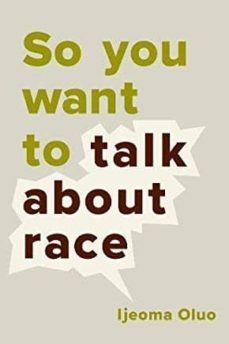
Seal Press 9781541619227
In this #1 New York Times bestseller, Ijeoma Oluo offers a revelatory examination of race in AmericaProtests against racial injustice and white supremacy have galvanized millions around the world. The stakes for transformative conversations about race could not be higher. Still, the task ahead seems daunting, and its hard to know where to start. How do you tell your boss her jokes are racist? Why did your sister-in-law hang up on you when you had questions about police reform? How do you explain white privilege to your white, privileged friend?In So You Want to Talk About Race, Ijeoma Oluo guides readers of all races through subjects ranging from police brutality and cultural appropriation to the model minority myth in an attempt to make the seemingly impossible possible: honest conversations about race, and about how racism infects every aspect of American life."Simply put: Ijeoma Oluo is a necessary voice and intellectual for these times, and any time, truth be told." Phoebe Robinson, New York Times bestselling author of You Cant Touch My Hair
Ver más
eBook
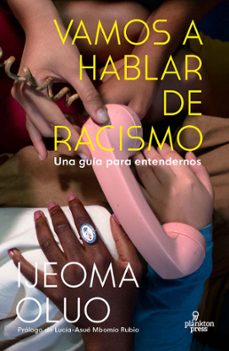
Plankton Press 9788419362131
Movimientos como el Black Lives Matter han puesto el foco en el racismo. En su prólogo, Lucía Mbomío establece que se trata de una cuestión tan urgente en España como en Estados Unidos. Pero ¿sabemos hablarlo? ¿Como no ponerse a la defensiva si nos dicen que hemos hecho un comentario racista? ¿Por que a una amiga negra le molesta que le toquen el pelo? ¿Que hay detras de conceptos como microagresion o apropiacion cultural?Vamos a hablar de racismo es una guia practica para entablar esas conversaciones tan incomodas como necesarias. Ijeoma Oluo, a veces con humor, otras desde la rabia y siempre con generosidad, comparte sus experiencias y vivencias para explorar la compleja realidad del panorama racial actual y ofrece pautas claras y un vocabulario util para tener conversaciones constructivas sobre racismo. Un libro que se convirtio en best seller cuando el New York Times lo destaco como fundamental para entender lo que estaba pasando en Estados Unidos tras el asesinato de George Floyd en 2020.
Ver más
eBook
Plankton Press SL 9788419362001
Movimientos como el Black Lives Matter han puesto el foco en el racismo. En su prólogo, Lucía Mbomío establece que se trata de una cuestión tan urgente en España como en Estados Unidos. Pero ¿sabemos hablarlo? ¿Como no ponerse a la defensiva si nos dicen que hemos hecho un comentario racista? ¿Por que a una amiga negra le molesta que le toquen el pelo? ¿Que hay detras de conceptos como microagresion o apropiacion cultural?Vamos a hablar de racismo es una guia practica para entablar esas conversaciones tan incomodas como necesarias. Ijeoma Oluo, a veces con humor, otras desde la rabia y siempre con generosidad, comparte sus experiencias y vivencias para explorar la compleja realidad del panorama racial actual y ofrece pautas claras y un vocabulario util para tener conversaciones constructivas sobre racismo. Un libro que se convirtio en best seller cuando el New York Times lo destaco como fundamental para entender lo que estaba pasando en Estados Unidos tras el asesinato de George Floyd en 2020.
Ver más
Tapa blanda
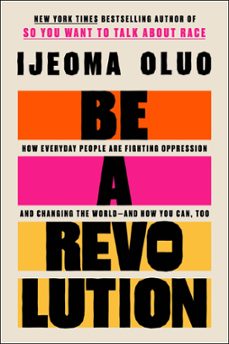
HarperOne 9780063140226
NATIONAL BESTSELLERFrom the #1 New York Timesbestselling author of So You Want to Talk About Race and Mediocre, an eye-opening and galvanizing look at the current state of anti-racist activism across America.In the #1 New York Times bestseller So You Want To Talk About Race, Ijeoma Oluo offered a vital guide for how to talk about important issues of race and racism in society. In Mediocre: The Dangerous Legacy of White Male America, she discussed the ways in which white male supremacy has had an impact on our systems, our culture, and our lives throughout American history. But now that we better understand these systems of oppression, the question is this: What can we do about them?With Be A Revolution: How Everyday People are Fighting Oppression and Changing the Worldand How You Can, Too, Oluo aims to show how people across America are using community organizing to create real positive change in our structures. Looking at many of our most powerful systemslike education, media, labor, health, housing, policing, and moreshe highlights what people are doing to create change for intersectional racial equity. She also illustrates various ways in which the reader can find entryways into this essential social justice work, or can bring some of this important work being done elsewhere to where they live.This book aims to not only be educational, but to inspire real change. Oluo wishes to take our conversations on race and racism out of a place of pure pain and trauma, and into a place of loving, transformative action. Be A Revolution is both an urgent chronicle of this important moment in history, as well as an inspiring and restorative call to action against systemic racism.Drawing on extensive interviews with grassroots organizers, Be a Revolution provides a practical toolkit for change, exploring actionable strategies in areas like:Abolition in Action: Go beyond the theory of reform and punishment to see how activists like Richie Reseda are building new systems of accountability and transformative justice. Intersectional Gender Justice: Learn from movement leaders like Tarana Burke why the fight for bodily autonomy must address the unique ways race, queerphobia, and transphobia impact our communities. Disability Justice: Discover why there is no racial justice without disability justice, and how ableism underpins the hierarchies of body and mind that fuel systemic oppression. Labor and Environmental Justice: Uncover the deep connections between racism, labor exploitation, and environmental apartheid with organizers like Chris Smalls and Jill Mangaliman who are fighting for a just transition.
Ver más
eBook

Basic Books 9781529353815
From the TIME 100 author of the Sunday Times and number 1 New York Times bestseller So You Want to Talk About Race, a subversive history of white male American identity -- now with a new preface.One of the most admired writers and "internet yellers" around... [Mediocre is] ever more vital... Oluos meeting the time -- this movement against white supremacy and systems of oppression. But the question she keeps asking in her work: Are we?IBRAM X KENDIMediocre paints an urgent, honest picture of how white male identity has spawned unrest in the countrys political ideology... Its a necessary read for the world we live in CHIDOZIE OBASI, Harpers Bazaar[Ijeomas] books dont come from a place of hate, but of determination to make change... [Mediocre is] another amazing book TREVOR NOAH on The Daily ShowWhat happens to a country that tells generation after generation of white men that they deserve power? What happens when success is defined by status over women and people of colour, instead of actual accomplishments?Through the last 150 years of American history -- from the post-Reconstruction South and the mythic stories of cowboys, to the present-day controversy over NFL protests and the backlash against the rise of women in politics -- Ijeoma Oluo exposes the devastating consequences of white male supremacy on women, people of colour, and white men themselves. As provocative as it is essential, Mediocre investigates the real costs of white male power in order to imagine a new white male identity, one free from racism and sexism.[An] analytical and compassionate bookNew StatesmanDeftly combines history and sociological study with personal narrative, and the result is both uncomfortable and illuminatingWashington PostIjeomas sharp yet accessible writing about the American racial landscape made her 2018 book So You Want to Talk About Race an invaluable resource . . . Mediocre builds on this exemplary work, homing in on the role of white patriarchy in creating and upholding a system built to disenfranchise anyone who isnt a white male TIME
Ver más
eBook
Del 1 al 5 de 5