
 Librerías
 Imprescindibles 
Más vendidos Libros más vendidos eBooks más vendidos Categorías más vendidas Libros más buscados Todos los libros Todos los libros Autores destacados Nuestros catálogos Series y sagas Blog
Recomendados Libros recomendados Clásicos imprescindibles Libros que inspiran Mens sana in corpore sano Booktokers Pelis y series Actualidad Premios
Novedades Novedades libros Novedades infantiles Novedades ebooks Próximos lanzamientos libros Próximos lanzamientos eBooks
Promociones Sorteos Libros desde 2,95€ eBooks hasta 80% descuento Ediciones especiales Libros firmados
Leer es una fiesta
Vive el Día del Libro
Ficción 
Literatura Contemporánea Libros de bolsillo Clásicos Poesía Teatro Cuentos Literatura en otros idiomas Estudios literarios
Géneros literarios Novela romántica y erótica Novela negra Novela histórica Narrativa fantástica Novela de ciencia ficción Novela de terror Narrativa de humor Narrativa de viajes
Imprescindibles de ficción Novedades de ficción Los más leídos de ficción Recomendados de ficción Autores destacados David Uclés Sarah J. Maas Brandon Sanderson Sagas literarias La asistenta La saga de los longevos Saga Powerless
Rebelde el que lee
Leer es, hoy más que nunca, un acto de rebeldía



No Ficción
Ciencias y tecnología Biología Ciencias Ciencias naturales Divulgación científica Informática Ingeniería Matemáticas Medicina Salud y dietas Filología Biblioteconomía Estudios filológicos Estudios lingüísticos Estudios literarios Historia y crítica de la Literatura
Humanidades Autoayuda y espiritualidad Ciencias humanas Derecho Economía y Empresa Psicología y Pedagogía Filosofía Sociología Historia Arqueología Biografías Historia de España Historia local de España Historia Universal Historia por países
Arte Arquitectura Cine Diseño y moda Fotografía Historia del arte Música Pintores y escultores Estilo de vida Libros de Cocina Guías de viaje Narrativa de viajes Deportes Libros de Juegos Manualidades



Infantil Ver más
Infantil Infantil de 0 a 2 años Infantil de 3 a 4 años Infantil de 5 a 6 años Infantil de 7 a 9 años Infantil de 10 a 12 años Infantil en otros idiomas Libros infantiles en inglés Libros infantiles en francés
Cómic y manga infantil Cómic infantil Manga infantil - Kodomo Papelería y regalo infantil Juegos educativos Juegos clásicos Juegos de cartas Djeco Puzzles Se habla de... Dejar el pañal Aprender a leer Mitología Cambio climático El universo
Imprescindibles infantiles Los más vendidos Recomendados Novedades Series infantiles Personajes Ovejita que vino a cenar Magic animals Cazamisterios Secreto de bruja Me llamo Goa Enzo Brown Crónicas de Narnia
Rebelde el que lee
Leer es, hoy más que nunca, un acto de rebeldía



Juvenil
#JóvenesLectores Narrativa juvenil Clásicos adaptados Libros Wattpad Libros Booktok Libros de influencers Libros de Youtubers Libros Spicy juveniles Libros LGTBIQ+ Temas sociales Libros ciencia ficción Libros de acción y aventura Cómic y Manga Juvenil Cómic Juvenil Manga Shonen Manga Shojo
Libros de fantasía Cozy Fantasy Dark academia Hadas y Fae Romantasy Royal Fantasy Urban Fantasy Vampiros y hombres lobo Otros Misterio y terror Cozy Mistery Policiaca Spooky Terror Thriller y suspense Otros
Libros románticos y de amor Dark Romance Clean Romance Cowboy Romance Mafia y amor Romance dramatico Romcom Sport Romance Otros Clichés Enemies to Lovers Friends to Lovers Hermanastros Slow Burn Fake Dating Triángulo amoroso



Cómic y Manga Ver más
Novela gráfica Novela gráfica americana Novela gráfica europea Novela gráfica de otros países Personajes, series y sagas Series y sagas Superhéroes Cómics DC Cómics Marvel Cómics otros superhéroes
Cómics Libros de ilustración Cómic de humor Cómic erótico Historia y técnica Cómic infantil y juvenil Cómic infantil Cómic juvenil Juegos y merchandising Libros de juegos de rol Juegos Figuras
Rebelde el que lee
Leer es, hoy más que nunca, un acto de rebeldía



Books in English 
Books in English Fiction Non Fiction Comic Teen & Young Adult Main Authors Ken Follett Agatha Christie Stephen King Jane Austen Maggie O’Farrell
Books in English for Young Adults Age 13+ Age 15+ Young Adult Authors Rebecca Yarros Sarah J. Maas Brandon Sanderson Ali Hazelwood Alice Oseman
Books in English for Kids Age 0-2 Age 3-4 Age 5-6 Age 7-9 Age 10-12 eBooks Fiction Non Fiction On sale
Mate
The global bestseller and TikTok sensation



Llibres en català 
Llibres en català Més venuts Recomanats Novetats Categories principals Literatura Història C. humanes Autoajuda Juvenil
Infantils 0-2 any 3-4 anys 5-6 anys 7-9 anys 10-12 anys Recomanats infantils Llibres de text Lectures precriptives
eBooks Novetats Autors Albert Sánchez Piñol Regina Rodríguez Sirvent Sílvia Soler Gil Pratsobrerroca Editorial del mes Barcanova Ofertes
Mes del Libre
Descomptes exclusius per a Socis



eBooks/Audiolibros 
Literatura en eBook Contemporánea Narrativa fantástica Novela de ciencia ficción Novela de terror Novela histórica Novela negra Novela romántica y erótica Literatura en otros idiomas Juvenil en eBook Fantasía y magia Romance y amor Misterio y terror Temas sociales Infantil en eBook eBooks infantiles
Ciencia y tecnología en eBook Ciencias naturales Divulgación científica Medicina Salud y dietas Filología en eBook Humanidades en eBook Autoayuda y espiritualidad Ciencias humanas Política Derecho Economía y Empresa Historia en eBook Arte en eBook Estilo de vida en eBook Cocina
Imprescindibles en eBook Más vendidos Recomendados Novedades Ediciones especiales Promociones Más buscados Próximos lanzamientos eBooks firmados eReader Vivlio Vivlio Light HD Color Vivlio Light 6 HD Vivlio Light 6 Vivlio Inkpad 4 Cómo leer un eBook Apps Casa del Libro App Casa del Libro
Mes del Libro
Descuentos exclusivos para Socios



Papelería 
Agendas y calendarios Agendas escolares Agendas 2026 Calendarios 2026 Juegos y puzles Juegos de mesa Juegos de cartas Juegos clásicos Juegos educativos Juegos experto Manualidades Puzles Bolsas y Tote bag Bolsas de tela Bolsas Casa del Libro
Accesorios de escritorio Cuadernos y libretas Material de escritura Bolígrafos borrables Estuches Carpetas Postales Papel de regalo Otros Merchandising Figuras Menaje Papelería Mr. Wonderful Tantanfan
Accesorios de lectura Marcapáginas Lámparas de lectura Fundas de libros Atriles Gafas Otros Regalos Regalos de literatura Tarjeta regalo eReader Vivlio Vivlio Light HD Color Vivlio Light 6 HD Vivlio Light 6 Vivlio Inkpad 4 Cómo leer un eBook
Elige tu eReader Vivlio
Descubre nuestra colección de eReaders


Joan Dejean
Recibe novedades de Joan Dejean directamente en tu email
Filtros
Del 1 al 3 de 3
Basic Books 9781541600591
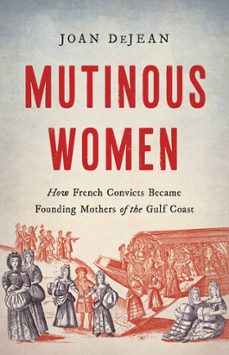
The secret history of the rebellious Frenchwomen who were exiled to colonial Louisiana and found power in the Mississippi ValleyIn 1719, a ship named La Mutine (the mutinous woman), sailed from the French port of Le Havre, bound for the Mississippi. It was loaded with urgently needed goods for the fledgling French colony, but its principal commodity was a new kind of export: women.Falsely accused of sex crimes, these women were prisoners, shackled in the ships hold. Of the 132 women who were sent this way, only 62 survived. But these women carved out a place for themselves in the colonies that would have been impossible in France, making advantageous marriages and accumulating property. Many were instrumental in the building of New Orleans and in settling Louisiana, Alabama, Arkansas, Illinois, and Mississippi.Drawing on an impressive range of sources to restore the voices of these women to the historical record, Mutinous Women introduces us to the Gulf Souths Founding Mothers.
Ver más
eBook

Free Press 9781416588535
What makes fashionistas willing to pay a small fortune for a particular designer accessory -- a luxe handbag, for example? Why is it that people all over the world share the conviction that a special occasion only becomes really special when a champagne cork pops -- and even more special when that cork comes from a bottle of Dom Perignon? Why are diamonds the status symbol gemstone, instantly signifying wealth, power, and even emotional commitment? One of the foremost authorities on seventeenth-century French culture provides the answer to these and other fascinating questions in her account of how, at one glittering moment in history, the French under Louis XIV set the standards of sophistication, style, and glamour that still rule our lives today. Joan DeJean explains how a handsome and charismatic young king with a great sense of style and an even greater sense of history decided to make both himself and his country legendary. When the reign of Louis XIV began, his nation had no particular association with elegance, yet by its end, the French had become accepted all over the world as the arbiters in matters of taste and style and had established a dominance in the luxury trade that continues to this day. DeJean takes us back to the birth of haute cuisine, the first appearance of celebrity hairdressers, chic cafes, nightlife, and fashion in elegant dress that extended well beyond the limited confines of court circles. And Paris was the magical center -- the destination of travelers all across Europe. As the author observes, without the Sun Kings program for redefining France as the land of luxury and glamour, there might never have been a Stork Club, a Bergdorf Goodman, a Chez Panisse, or a Cristophe of Beverly Hills -- and President Clinton would never have dreamed of holding Air Force One on the tarmac of LAX for an hour while Cristophe worked his styling genius on the presidents hair. Written with wit, dash, and elan by an author who knows this astonishing true story better than virtually anyone, The Essence of Style will delight fans of history and everybody who wonders about the elusive definition of good taste.
Ver más
eBook

Editorial Nerea, S.A. 9788496431249
Una de las más destacadas autoridades de la cultura gala del siglo XVII analiza en esta obra cómo en un momento brillante de la historia, durante el reinado de Luis XIV, los franceses establecieron los estándares de la sofisticación, el estilo y la elegancia que todavía hoy siguen presentes en nuestras vidas. Joan DeJean explica cómo un atractivo y carismático joven rey, con un gran sentido de la estética y aún mayor de la historia, decidió convertir su país en la meca de la moda, el buen gusto y el glamur internacional. Partiendo de su propia imagen (fue el primero en usar medias de seda, zapatos de tacón y cubrirse enteramente de brillantes), orquestó junto con su ministro Colbert una gran campaña de márquetin que potenció las industrias nacionales, logrando exportar artículos de lujo a todos los lugares del mundo (muebles, espejos, tejidos, champán, joyas, perfumes…). A principios de su reinado, la nación no ejercía dominio alguno en el terreno de la moda y, sin embargo, al finalizar este, sus súbditos eran ya aceptados en toda Europa como árbitros absolutos en materia de estilo y buen gusto. Francia ponía en marcha un domi- nio internacional en el comercio del lujo que pervive desde entonces.
Ver más
Tapa dura
Del 1 al 3 de 3