
 Librerías
 Imprescindibles 
Más vendidos Libros más vendidos eBooks más vendidos Categorías más vendidas Libros más buscados Todos los libros Todos los libros Autores destacados Nuestros catálogos Series y sagas Blog
Recomendados Libros recomendados Clásicos imprescindibles Libros que inspiran Mens sana in corpore sano Booktokers Pelis y series Actualidad Premios
Novedades Novedades libros Novedades infantiles Novedades ebooks Próximos lanzamientos libros Próximos lanzamientos eBooks
Promociones Sorteos Libros desde 2,95€ eBooks hasta 80% descuento Ediciones especiales Libros firmados
Mes del Libro
Rebelde el que lee
Ficción 
Literatura Contemporánea Libros de bolsillo Clásicos Poesía Teatro Cuentos Literatura en otros idiomas Estudios literarios
Géneros literarios Novela romántica y erótica Novela negra Novela histórica Narrativa fantástica Novela de ciencia ficción Novela de terror Narrativa de humor Narrativa de viajes
Imprescindibles de ficción Novedades de ficción Los más leídos de ficción Recomendados de ficción Autores destacados David Uclés Sarah J. Maas Brandon Sanderson Sagas literarias La asistenta La saga de los longevos Saga Powerless
Autor del mes
Descubre todos sus libros


No Ficción
Ciencias y tecnología Biología Ciencias Ciencias naturales Divulgación científica Informática Ingeniería Matemáticas Medicina Salud y dietas Filología Biblioteconomía Estudios filológicos Estudios lingüísticos Estudios literarios Historia y crítica de la Literatura
Humanidades Autoayuda y espiritualidad Ciencias humanas Derecho Economía y Empresa Psicología y Pedagogía Filosofía Sociología Historia Arqueología Biografías Historia de España Historia local de España Historia Universal Historia por países
Arte Arquitectura Cine Diseño y moda Fotografía Historia del arte Música Pintores y escultores Estilo de vida Libros de Cocina Guías de viaje Narrativa de viajes Deportes Libros de Juegos Manualidades


Infantil 
Infantil Infantil de 0 a 2 años Infantil de 3 a 4 años Infantil de 5 a 6 años Infantil de 7 a 9 años Infantil de 10 a 12 años Infantil en otros idiomas Libros infantiles en inglés Libros infantiles en francés
Cómic y manga infantil Cómic infantil Manga infantil - Kodomo Papelería y regalo infantil Juegos educativos Juegos clásicos Juegos de cartas Djeco Puzzles Se habla de... Dejar el pañal Aprender a leer Mitología Cambio climático El universo
Imprescindibles infantiles Los más vendidos Recomendados Novedades Series infantiles Personajes Ovejita que vino a cenar Magic animals Cazamisterios Secreto de bruja Me llamo Goa Enzo Brown Crónicas de Narnia
Serie del mes
Aprende a leer con Escuela de monstruos
Juvenil
#JóvenesLectores Narrativa juvenil Clásicos adaptados Libros Wattpad Libros Booktok Libros de influencers Libros de Youtubers Libros Spicy juveniles Libros LGTBIQ+ Temas sociales Libros ciencia ficción Libros de acción y aventura Cómic y Manga Juvenil Cómic Juvenil Manga Shonen Manga Shojo
Libros de fantasía Cozy Fantasy Dark academia Hadas y Fae Romantasy Royal Fantasy Urban Fantasy Vampiros y hombres lobo Otros Misterio y terror Cozy Mistery Policiaca Spooky Terror Thriller y suspense Otros
Libros románticos y de amor Dark Romance Clean Romance Cowboy Romance Mafia y amor Romance dramatico Romcom Sport Romance Otros Clichés Enemies to Lovers Friends to Lovers Hermanastros Slow Burn Fake Dating Triángulo amoroso
Cómic y Manga 
Novela gráfica Novela gráfica americana Novela gráfica europea Novela gráfica de otros países Personajes, series y sagas Series y sagas Superhéroes Cómics DC Cómics Marvel Cómics otros superhéroes
Cómics Libros de ilustración Cómic de humor Cómic erótico Historia y técnica Cómic infantil y juvenil Cómic infantil Cómic juvenil Juegos y merchandising Libros de juegos de rol Juegos Figuras
Dragon ball
¡La aventura te espera! Completa tu colección de Dragon Ball
Books in English 
Books in English Fiction Non Fiction Comic Teen & Young Adult Main Authors Ken Follett Agatha Christie Stephen King Jane Austen Maggie O’Farrell
Books in English for Young Adults Age 13+ Age 15+ Young Adult Authors Rebecca Yarros Sarah J. Maas Brandon Sanderson Ali Hazelwood Alice Oseman
Books in English for Kids Age 0-2 Age 3-4 Age 5-6 Age 7-9 Age 10-12 eBooks Fiction Non Fiction On sale
Mate
The global bestseller and TikTok sensation


Llibres en català 
Llibres en català Més venuts Recomanats Novetats Categories principals Literatura Història C. humanes Autoajuda Juvenil
Infantils 0-2 any 3-4 anys 5-6 anys 7-9 anys 10-12 anys Recomanats infantils Llibres de text Lectures precriptives
eBooks Novetats Autors Albert Sánchez Piñol Regina Rodríguez Sirvent Sílvia Soler Gil Pratsobrerroca Editorial del mes Barcanova Ofertes
Premis en català
No et perdis els millors premis


eBooks/Audiolibros 
Literatura en eBook Contemporánea Narrativa fantástica Novela de ciencia ficción Novela de terror Novela histórica Novela negra Novela romántica y erótica Literatura en otros idiomas Juvenil en eBook Fantasía y magia Romance y amor Misterio y terror Temas sociales Infantil en eBook eBooks infantiles
Ciencia y tecnología en eBook Ciencias naturales Divulgación científica Medicina Salud y dietas Filología en eBook Humanidades en eBook Autoayuda y espiritualidad Ciencias humanas Política Derecho Economía y Empresa Historia en eBook Arte en eBook Estilo de vida en eBook Cocina
Imprescindibles en eBook Más vendidos Recomendados Novedades Ediciones especiales Promociones Más buscados Próximos lanzamientos eBooks firmados eReader Vivlio Vivlio Light HD Color Vivlio Light 6 HD Vivlio Light 6 Vivlio Inkpad 4 Cómo leer un eBook Apps Casa del Libro App Casa del Libro
Disfruta los audiolibros 🎧
Los mejores audiolibros en Casa del Libro



Papelería 
Agendas y calendarios Agendas escolares Agendas 2026 Calendarios 2026 Juegos y puzles Juegos de mesa Juegos de cartas Juegos clásicos Juegos educativos Juegos experto Manualidades Puzles Bolsas y Tote bag Bolsas de tela Bolsas Casa del Libro
Accesorios de escritorio Cuadernos y libretas Material de escritura Bolígrafos borrables Estuches Carpetas Postales Papel de regalo Otros Merchandising Figuras Menaje Papelería Mr. Wonderful Tantanfan
Accesorios de lectura Marcapáginas Lámparas de lectura Fundas de libros Atriles Gafas Otros Regalos Regalos de literatura Tarjeta regalo eReader Vivlio Vivlio Light HD Color Vivlio Light 6 HD Vivlio Light 6 Vivlio Inkpad 4 Cómo leer un eBook
Elige tu eReader Vivlio
Descubre nuestra colección de eReaders


Lara Feigel
Lara Feigel es doctora en Letras por la Universidad de Sussex y profesora en el King’s College de Londres. Como historiadora de la cultura y crítica literaria, sus trabajos se centran en la literatura, el arte y la historia política de los años treinta y la segunda guerra mundial. Es autora de Literature, Cinema and Politics, 1930-1945 y The Love Charm of Bombs y colabora en medios como The Guardian, Prospect o History Today.
Recibe novedades de Lara Feigel directamente en tu email
Filtros
Del 1 al 3 de 3

JM Originals 9781529305029
A very funny and brilliant book. Feigel does a thorough and virtuosic job of describing the dilemmas of contemporary middle-class women Rachel CuskThe five of them - Stella, Priss, Kay, Helena and Polly - met at university, their lives full of lazy afternoons and late nights. Friendship seemed simple and there was such pleasure in the endless talk and in just living alongside each other.Now the women are turning forty and theyre finding that a shared past can sometimes be a burden. Theyre all struggling to navigate the ways in which their lives have differed from the plans they made themselves and the hopes they had for each other. In the past, solidarity came easily, but now they compare lovers, husbands, jobs, children and sofas, asking how the choices theyve made or failed to make hold up. As marriages end and secrets emerge, they wonder whether these people, the ones who know so much about them, are really the ones they can confide in.
Ver más
eBook
William Collins 9780008655471
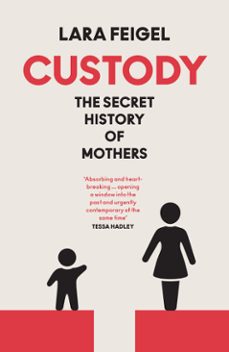
A GREAT ROAR OF A BOOK Sunday TimesWe think that our children belong to us, but families are fragile things. Every day, for over a century, children have been moved between homes because of law cases that decide their fates. Yet child custody is curiously absent from history books and from how we generally understand our world. Lara Feigels groundbreaking book shows the fraught, complex territory of child custody to have been one of the vital battlegrounds of modern history and culture. Custody is the story of seven women Caroline Norton, George Sand, Elizabeth Packard, Frieda Lawrence, Edna OBrien, Alice Walker, Britney Spears who have fought for their children and been found wanting. It is also the story of the children who have lost the care they most need because divorce is at heart a macabre continuation of matrimony in a new setting, with the battles of the marriage stoked into new levels of acrimony by the courts. Its a book of dramatic storytelling, and of blistering polemic and large-scale historical re-evaluation. Each chapter immerses the reader in the life and times and struggles of these fascinating, charismatic, complex women and their children. All of these women were mothers, but all of them wanted and needed to be other things too writers, lovers, or activists and they and their children were punished for these attempts. Feigel has been deep in the archives, looking into thousands of other cases in each place and time, and shes been sitting in on the family courts in the present. So alongside these central figures, the book presents a teeming picture of fractured family life in Britain, Europe and North America across two hundred years, offering a major new interpretation of how our modern culture has evolved. And Custody is an alternative history of feminism, centring on the fraught relationship between emancipation and care. This book is of urgent interest to anyone concerned with womens roles in the world and how institutions fail them. Ultimately its a book that sees custody as the nexus where motherhood, ideology and power meet. Custody cases can seem in these chapters to be quintessentially tragic, but the stories of these passionate, conflicted women also make us want to figure out how to do things better.
Ver más
eBook

Tusquets Editores S.A. 9788490663387
Una brillante y novedosa visión del proceso de desnazificación de Alemania después de la segunda guerra mundial.El amargo sabor de la victoria narra la fascinante historia de cómo algunos de los escritores y artistas mas imaginativos del siglo xx afrontaron una de las mayores catastrofes historicas de su tiempo. Tras la rendicion de Alemania en 1945, y de forma paralela al proceso de reconstruccion del pais iniciado por los aliados, estos sintieron la necesidad de reconstruir la cultura y la historia alemanas, de las que los nazis se habian apropiado. Este reinicio tenia que ser intelectual, ademas de material: la desnazificacion y la reeducacion iban a ser centrales para la futura paz, y las artes se hicieron cruciales para modelar una forma de vida alternativa menos basada en el militarismo.
Ver más
Tapa blanda
Del 1 al 3 de 3