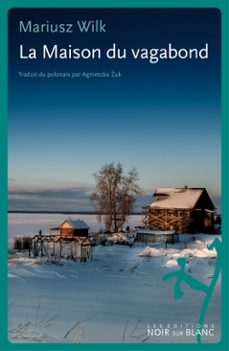
En 1991 Mariusz Wilk se instaló en las islas Solovki, en los confines septentrionales de Rusia, y allí pasó ocho años observando y relatando la vida cotidiana de Rusia, sus contradicciones, miserias
Mariusz Wilk s’est installé il y a quinze ans dans le nord de la Russie, pour y vivre loin de la civilisation. Mais de nombreux changements sont survenus dans la maison carélienne au bord du lac Oneg
En 1991, Mariusz Wilk sest retire sur les îles Solovki, archipel isolé de la mer blanche, véritable microcosme des dépouilles de I’empire soviétique. De là, il observe et tente dexpliquer le quotidie
In 1991 Mariusz Wilk, a Polish journalist long fascinated by the mysteries of the Russian soul, decided to take up residence in the Solovki islands, a lonely archipelago lost amid the far northern reaches of Russias White Sea. For Wilk these islands represented the quintessence of Russia: a place of exile and a microcosm of the crumbling Soviet empire. On the one hand, they were a cradle of the Orthodox faith and home to an important monastery; on the other, it was here that the first experimental gulag was built after the 1917 revolution. Over the course of years Wilk came to know every single one of the islands 1000 or so residents. From his remote home, from which he sent regular despatches to the Paris-based Polish newspaper Kultura, he attempted to observe and come to terms with the complexities and contradictions of Russian history, its glorious past and the cruelty of Soviet Communism. In the process, he has written a most unusual travel book, a beautifully descriptive work that belongs in the best tradition of writers such as Norman Lewis, Patrick Leigh Fermor and Claudio Magris.