Miranda Carter estudió en el prestigioso St. Paul’s Girls School y se graduó en Historia en el Exeter College de la Universidad de Oxford. Trabajó como editora y periodista hasta 1994, cuando comenzó la exhaustiva investigación sobre la vida de Blunt plasmada en esta biografía. En la actualidad vive en Lodres. Pese a ser su primer libro, Anthony Blunt. El espía de Cambridge obtuvo un notabilísimo éxito de crítica y público, alzándose con el Premio Orwell 2002 y el Premio de la Royal Society en 2001, además de ser finalista del premio de The Guardian a la primera obra, el Premio Duff Cooper y el Premio Whitbread de Biografía.
Recibe novedades de Miranda Carter directamente en tu email

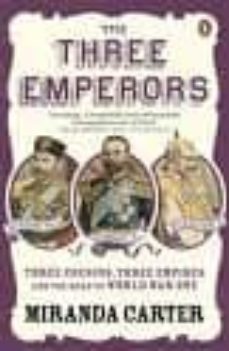
Three cousins. Three Emperors. And the road to ruin. As cousins, George V, Kaiser Wilhelm II and the last Tsar Nicholas II should have been friends - but they happened also to rule Europe''s three most powerful states. This potent combination together with their own destructive personalities - petty, insecure, bullying, absurdly obsessive (stamp collecting, uniforms) - led not only to their own dramatic fallouts and falls from grace, but also to the outbreak of the First World War. Miranda Carter''s riveting account of how three men who should have known better helped bring down an entire world is a gripping story of abdication, betrayal and murder.
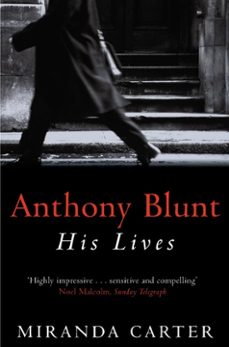
When Anthony Blunt died in 1983, he was a man about whom almost anything could be - and was - said. As Surveyor of the Queens Pictures and Director of the Courtauld Institute, Blunts position was assured until his exposure in 1979 left his reputation in tatters. Miranda Carters brilliantly insightful biography gives us a vivid portrait of a human paradox. Blunts totally discrete lives, with their permanent contradictions, serve to remind us that there is no one key to any human beings identity: we are all a series of conflicting selves.
The Three Emperors by Miranda Carter is the juicy, funny story of the three dysfunctional rulers of Germany, Russia and Great Britain at the turn of the last century, combined with a study of the larger forces around them.Three cousins. Three Emperors. And the road to ruin.As cousins, George V, Kaiser Wilhelm II and the last Tsar Nicholas II should have been friends - but they happened also to rule Europes three most powerful states. This potent combination together with their own destructive personalities - petty, insecure, bullying, absurdly obsessive (stamp collecting, uniforms) - led not only to their own dramatic fallouts and falls from grace, but also to the outbreak of the First World War. Miranda Carters riveting account of how three men who should have known better helped bring down an entire world is a gripping story of abdication, betrayal and murder.Fascinating. A wonderfully fresh and beautifully choreographed work of historyMail on SundayMiranda Carters story is full of vivid quotations...a romp though the palaces of Europe in their last decades before ArmageddonSunday TimesFascinating. Carter is a gifted storyteller and has written a very readable accountIndependentThat these three absurd men could ever have held the fate of Europe in their hands is a fact as hilarious as it is terrifying. I havent enjoyed a historical biography this much since Lytton Stracheys Victoria Zadie Smith
El 15 de noviembre de 1979, Margaret Thatcher aprovechaba una pregunta parlamentaria para destapar la identidad del "cuarto hombre" del círculo de espías de Cambridge: Sir Anthony Blunt, ilustre historiador del arte, conservador de las pinacotecas reales y destacado y ya anciano miembro del establishment. En esta premiada biografia, Miranda Carter reconstruye la complejidad de un personaje acostumbrado a ocultar sus distintas facetas: academico respetable, homosexual y agente doble. a De la mano de Blunt, recorremos los fascinantes ambientes de una infancia privilegiada y una educacion en un lugar irrepetible, el Cambridge de los años veinte y treinta, donde la rebeldia personal, a veces en forma de homosexualidad, iba de la mano de la ideologica: la afiliacion comunista, reforzada por el auge de los fascismos y el impacto de la guerra de España. La segunda guerra mundial arrastro a estos jovenes miembros de la elite intelectual britanica a los servicios de inteligencia, donde su doble lealtad sembraria la tragedia que, tras una brillante carrera academica y una notable presencia en el mundo cultural ingles, acabaria haciendo de un historiador del arte jubilado el paradigma del traidor.