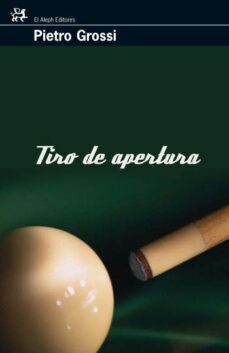
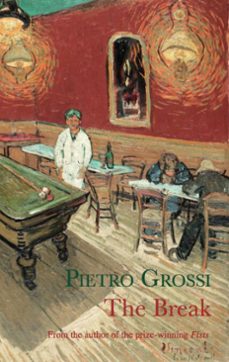
Dino, el protagonista, tiene dos pasiones en la vida: el juego de billar y su trabajo silencioso de empedrar calles. Frío, sin permitir que lo domine la pasión, no quiere que el desorden perturbe su vida. Tanto el juego como el trabajo significan para el una verdadera filosofia de la vida. El billar, un juego hecho de largos silencios, de reflexiones y razonamientos, una metafora de la vida: la geometria perfecta que se diseña sobre el paño verde de la mesa, y que para el posee el rigor del orden y la racionalidad cartesianas. El tiro de apertura, precisamente, el golpe dado con el taco a la bola al inicio del juego. Asimismo, Dino consigue en el trabajo la simetria y la coherencia: empedrar calles significa empotrar los adoquines en la tierra, distribuirlos bien, martillar sobre ellos, un dia y otro, millones de adoquines. La buena alineacion de las piedras, corresponde pues al orden que reina en la vida de Dino. Por las noches, en las horas de descanso, son las veladas serenas y ordenadas con Sofia, una esposa que no conoce la felicidad. Hasta un dia. El capricho de la vida se presenta a complicar el equilibrio. El funcionario de la comuna anuncia que se acaba la faena de empedrar las calles, que "ha llegado el asfalto". Por otro lado, y despues de varios años de esterilida
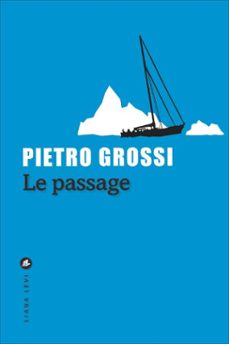
Ça y est. À l’instant précis où il reçoit un coup de téléphone de son père, Carlo sait que le moment de vérité est arrivé. Treize ans qu’il se tient loin de lui, de ses grognements, ses débordements,
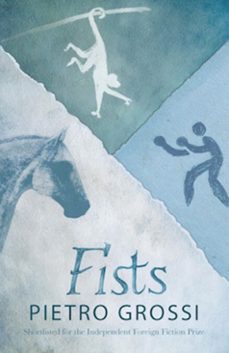
Nel 2006, appena uscito, questo libro suscitò subito una magnetica attrazione nei lettori e nella critica che parlò di una rivelazione. Fu un vero caso letterario. Sara stato quell'inizio folgorante: «A me la faccenda della boxe piaceva parecchio. Non so cos'era. Forse anche la formidabile sensazione che c'era un luogo dove avevo qualche numero, o dove comunque potevo battermi ad armi pari». O il titolo che con vaghezza ricorda Hemingway e i raccontatori americani, al cui forte modo di sentire realistico e poetico questi tre racconti nettamente si ispirano. O la giovinezza dello scrittore che aveva allora ben meno di trent'anni. O questo parlare di giovani che la copertina fa balenare, in lotta, avversari e complici, per una specie di unita dell'esperienza perduta in frammenti. Un'attrazione poi sostenuta, aprendo il volume, dall'intensita eccezionale del primo racconto, "Boxe". Narra del Ballerino e della Capra: è come se tutto il loro tempo, quello breve trascorso ma anche il futuro, fosse stato disegnato per il loro incontro sul ring. Il Ballerino è per bene e «sfigato» secondo l'autodefinizione; con la sua leggerezza da libellula sul quadrato, è diventato una leggenda, La Capra, è povero, è sordo ed è un campione che scala la vittoria come le capre i burroni. E questo un ritratto che si incide nel profondo, di ragazzi alle prese con l'iniziazione alla vita e con l'illusione accecante del segreto dell'esistenza. "Cavalli", il secondo racconto, ha come un andamento di ballata in spazi aperti: due fratelli, ricevono dal padre due cavalli e il via al loro destino. Uno dei due va in citta in cerca di avventura, l'altro resta. Una ferita aperta da lavare li ritrova fianco a fianco e svela chi è gia uomo e chi deve ancora diventarlo. "La scimmia", il terzo, narra la voglia di sparire come soluzione possibile: l'amico conosciuto come più ricco, più fortunato, improvvisamente decide di essere una scimmia. Il velo del delirio si attacca all'amico sano quasi a rappresentare un'altra visione della vita, come il nostro doppio che ci sta sempre accanto.
Told in a spare and powerful voice reminiscent of Hemingway and Salinger, the three stories in Pietro Grossis Fists explore the rite of passage each of us faces in our youth and what it means to be a man in our time.Boxing, Horses and The Monkey: three powerful coming-of-age stories about boys confronting reality, and fighting to stay alive in a mans world. In Fists, a teenage amateur boxer steps into the ring for the first time, and finds himself in a face-off with Life in all its muscular force; in Horses, two brothers embark on their first forays into adulthood, each learning to play a mans game in his own painful way; and in The Monkey, a young man realizes that in order to stay sane and survive in this world, we have to sacrifice our childhood dreams.Published by Pushkin Press, Howard Curtiss translation of Fists won the 2010 Premio Campiello Europa, and was shortlisted for the 2010 Independent Foreign Fiction Prize.There is more power and pathos in this short piece of spare, timeless prose than in most densely-written novels ... All three tales are artful but seemingly effortless, a quality shared by Howard Curtiss translation, which feels elegantly natural Daniel Hahn, IndependentThe greatest addition to Italian literature for a very long time Il DominicaleHis passion for Hemingway, Faulkner and Philip Roth can be seen in this simple, precise and intense writing Il GiornaleAn outstanding debut Giudizio UniversaleA perfect book Il Sole 24 OrePietro Grossi, writer and translator, was born in 1978 in Florence and currently lives and works in Tuscany. His novel The Break is also available from Pushkin Press.
As in his widely praised Fists, Pietro Grossis The Break brings out the epic human drama in a tale of everyday life in his characteristically lucid, stripped-down prose.Dino is a placid, unambitious man. Living in a small provincial town, he and his wife spend their time planning journeys to faraway places - journeys they never take. Dinos only passion is billiards, and he spends his evenings in the local billiards hall honing his technique. One day, however, Dinos quiet life is interrupted: his wife is pregnant. This the first in a series of events that shake him from his slumber and force him to test himself for the first time.Translated from the Italian by award-winning translator Howard Curtis, Pietro Grossis The Break echoes the styles of Hamingway, Salinger and is published by Pushkin PressSmall and perfectly formed ... reaching its end leaves the reader desirous to start all over again Amanda Hopkinson, IndependentHoward Curtiss translation moves with the swiftness of Dinos cueball GuardianPietro Grossi, writer and translator, was born in 1978 in Florence and currently lives and works in Tuscany. His novel Fists is also available from Pushkin Press.
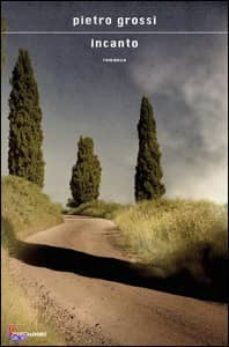
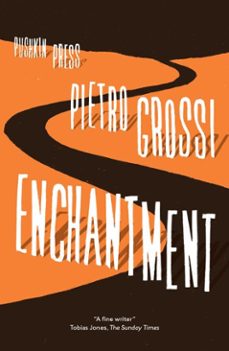
Three boys, three diverging destinies - but what, or who, is pulling the strings?It was a memorable summer: with the broken-down old road that suddenly turned into a strip of gleaming asphalt, and the abandoned motorbike the three boys found as a rusty heap and built into a racer. But it was also more than that, more than a distraction from the boredom of their small Tuscan town, than a few weeks of racing and dodging the attentions of the local Marshal.For Jacopo and his two friends, it began their journeys out into the world, separated by thousands of miles, steered by something other than fate-helped on their way, and controlled...Tautly written and deeply moving, Enchantment is more than a simple coming-of-age story, it is a powerful, original novel from an important, compelling new author.Pietro Grossi, writer and translator, was born in 1978 in Florence and currently lives and works in Tuscany. His collection of short stories, Fists, and his novel The Breakare also published by Pushkin Press."A fine writer" Tobias Jones, The Sunday TimesPraise for The Break:"Small and perfectly formed ... reaching its end leaves the reader desirous to start all over again" Amanda Hopkinson, IndependentPraise for Fists:"There is more power and pathos in this short piece of spare, timeless prose than in most densely-written novels" Daniel Hahn, Independent