Simon May es profesor visitante de filosofía en el King’s College de Londres. Es especialista en el pensamiento de Nietzsche y autor de varios libros sobre estética y emociones, como "Love: A History of Love: A New Understanding of an Ancient Emotion", preámbulo intelectual que lo ha llevado a estudiar lo Cuqui como sujeto filosófico en "El poder de lo Cuqui". También ha publicado una colección de sus propios aforismos, bajo el título de "Thinking Aloud".
Recibe novedades de Simon May directamente en tu email

Una obra dirigida a un público amplio interesado en temas filosóficos, o simplemente, en poder comprender mejor su vida. Nuevo formato en la colección 2MIL1. Sinopsis: Pensar no es un privilegio de grandes sabios. Esta coleccion de aforismos pretende a
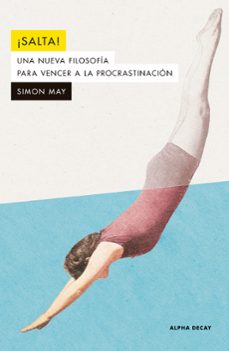
Do you repeatedly defer life to later, convinced there will come a time when youll be better prepared to seize its opportunities?Do you spend your best hours on chores or trivia before allowing yourself to get to what most matters to you?The real mystery of procrastination is why we avoid goals to which were passionately committed. Its understandable that wed put off cleaning the fridge or completing our tax return; but why do we swerve a loved one, a vocation, a hobby, or a new life that feels supremely meaningful to us?Simon May argues that the almost universal consensus around overcoming procrastination - setting priorities and optimizing time management: working "smarter not harder" - might work for the boring things but is of little use when it comes to treasured goals that were avoiding.Jump! proposes seven radically new ways in which we can overcome this life-sabotaging procrastination. May claims that, for all their pain, the regret and boredom created by procrastination can shine the brightest light on our top priorities, either reaffirming our commitment to them or teaching us that were on the wrong path. This is the unexpected blessing of procrastination: that it offers hope of becoming ourselves.
A lyrical, fascinating, important book. More than just a family story, it is an essay on belonging, denying, pretending, self-deception and, at least for the main characters, survival.Literary ReviewSimon Mays remarkable How to Be a Refugee is a memoir of family secrets with a ruminative twist, one thats more interested in what we keep from ourselves than the ones we conceal from others.Irish TimesThe most familiar fate of Jews living in Hitlers Germany is either emigration or deportation to concentration camps. But there was another, much rarer, side to Jewish life at that time: denial of your origin to the point where you manage to erase almost all consciousness of it. You refuse to believe that you are Jewish.How to Be a Refugee is Simon Mays gripping account of how three sisters his mother and his two aunts grappled with what they felt to be a lethal heritage. Their very different trajectories included conversion to Catholicism, marriage into the German aristocracy, securing Aryan status with high-ranking help from inside Hitlers regime, and engagement to a card-carrying Nazi. Even after his mother fled to London from Nazi Germany and Hitler had been defeated, her instinct for self-concealment didnt abate. Following the early death of his father, also a German Jewish refugee, May was raised a Catholic and forbidden to identify as Jewish or German or British. In the face of these banned inheritances, May embarks on a quest to uncover the lives of the three sisters as well as the secrets of a grandfather he never knew. His haunting story forcefully illuminates questions of belonging and home questions that continue to press in on us today.
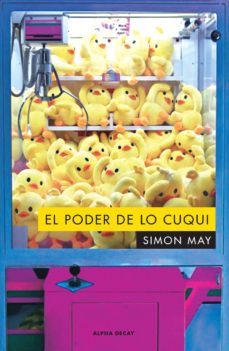
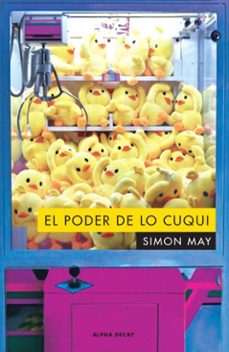
May parte de la idea de que lo Cuqui no es solamente un capricho estético o una moda del momento, sino uno de los factores que explican nuestra época: una expresión de los miedos y las inquietudes que nos provoca la transformación constante -política, económica, tecnológica- del mundo en que vivimos. Nos refugiamos en las cosas cuquis porque la realidad es fea, y lo Cuqui es un antídoto y una forma de control cuando la incerteza y el malestar se abren paso en nuestras vidas. Ese es, a grandes rasgos, el poder de lo Cuqui: mostrarnos con detalle el tipo de sociedad en que vivimos, protegiéndonos de paso contra sus efectos desasosegantes.