
 Librerías
 Imprescindibles 
Más vendidos Libros más vendidos eBooks más vendidos Categorías más vendidas Libros más buscados Todos los libros Todos los libros Autores destacados Nuestros catálogos Series y sagas Blog
Recomendados Libros recomendados Libros que inspiran Favoritos de nuestros libreros Booktokers. En redes también se lee Books in English Clásicos imprescindibles Pelis y series Actualidad Premios
Novedades Novedades libros Novedades infantiles Novedades ebooks Próximos lanzamientos libros Próximos lanzamientos eBooks
Promociones Sorteos Libros desde 2,95€ eBooks hasta 80% descuento Ediciones especiales Libros firmados
Lanzamientos del mes
Las novedades más esperadas
Ficción 
Literatura Contemporánea Libros de bolsillo Clásicos Poesía Teatro Cuentos Literatura en otros idiomas Estudios literarios
Géneros literarios Novela romántica y erótica Novela negra Novela histórica Narrativa fantástica Novela de ciencia ficción Novela de terror Narrativa de humor Narrativa de viajes
Imprescindibles de ficción Novedades de ficción Los más leídos de ficción Recomendados de ficción Autores destacados David Uclés Sarah J. Maas Brandon Sanderson Sagas literarias La asistenta La saga de los longevos Saga Powerless
Autora del mes
Descubre todos los libros de Elísabet Benavent



No Ficción
Ciencias y tecnología Biología Ciencias Ciencias naturales Divulgación científica Informática Ingeniería Matemáticas Medicina Salud y dietas Filología Biblioteconomía Estudios filológicos Estudios lingüísticos Estudios literarios Historia y crítica de la Literatura
Humanidades Autoayuda y espiritualidad Ciencias humanas Derecho Economía y Empresa Psicología y Pedagogía Filosofía Sociología Historia Arqueología Biografías Historia de España Historia local de España Historia Universal Historia por países
Arte Arquitectura Cine Diseño y moda Fotografía Historia del arte Música Pintores y escultores Estilo de vida Libros de Cocina Guías de viaje Narrativa de viajes Deportes Libros de Juegos Manualidades



Infantil 
Infantil Infantil de 0 a 2 años Infantil de 3 a 4 años Infantil de 5 a 6 años Infantil de 7 a 9 años Infantil de 10 a 12 años Infantil en otros idiomas Libros infantiles en inglés Libros infantiles en francés
Cómic y manga infantil Cómic infantil Manga infantil - Kodomo Papelería y regalo infantil Juegos educativos Juegos clásicos Juegos de cartas Djeco Puzzles Se habla de... Dejar el pañal Aprender a leer Fútbol Cambio climático El universo
Imprescindibles infantiles Los más vendidos Recomendados Novedades Series infantiles Personajes Ovejita que vino a cenar Magic animals Cazamisterios Secreto de bruja Me llamo Goa Enzo Brown Crónicas de Narnia
Personaje del mes
Las aventuras de Perro Apestoso

Juvenil 
#JóvenesLectores Narrativa juvenil Clásicos adaptados Libros Wattpad Libros Booktok Libros de influencers Libros de Youtubers Libros Spicy juveniles Libros LGTBIQ+ Temas sociales Libros ciencia ficción Libros de acción y aventura Cómic y Manga Juvenil Cómic Juvenil Manga Shonen Manga Shojo
Libros de fantasía Cozy Fantasy Dark academia Hadas y Fae Romantasy Royal Fantasy Urban Fantasy Vampiros y hombres lobo Otros Misterio y terror Cozy Mistery Policiaca Spooky Terror Thriller y suspense Otros
Libros románticos y de amor Dark Romance Clean Romance Cowboy Romance Mafia y amor Romance dramatico Romcom Sport Romance Otros Clichés Enemies to Lovers Friends to Lovers Hermanastros Slow Burn Fake Dating Triángulo amoroso
Imprescindibles Juvenil Los más vendidos Recomendados Novedades Sagas Juveniles Powerless Los chicos Tommen Culpables Twisted Autores destacados Jennifer L. Armentrout Eloy Moreno Nerea Llanes Hannah Nicole Maehrer
Autora juvenil del mes
Descubre todos los libros de Mercedes Ron
Cómic y Manga 
Novela gráfica Novela gráfica americana Novela gráfica europea Novela gráfica de otros países Personajes, series y sagas Series y sagas Superhéroes Cómics DC Cómics Marvel Cómics otros superhéroes
Cómics Libros de ilustración Cómic de humor Cómic erótico Historia y técnica Cómic infantil y juvenil Cómic infantil Cómic juvenil Juegos y merchandising Libros de juegos de rol Juegos Figuras
Dragon ball
¡La aventura te espera! Completa tu colección de Dragon Ball


Books in English 
Books in English Fiction Non Fiction Comic Teen & Young Adult Main Authors Ken Follett Agatha Christie Stephen King Jane Austen Maggie O’Farrell
Books in English for Young Adults Age 13+ Age 15+ Young Adult Authors Rebecca Yarros Sarah J. Maas Brandon Sanderson Ali Hazelwood Alice Oseman
Books in English for Kids Age 0-2 Age 3-4 Age 5-6 Age 7-9 Age 10-12 eBooks Fiction Non Fiction On sale
Mate
The global bestseller and TikTok sensation



Llibres en català 
Llibres en català Més venuts Recomanats Novetats Categories principals Literatura Història C. humanes Autoajuda Juvenil
Infantils 0-2 any 3-4 anys 5-6 anys 7-9 anys 10-12 anys Recomanats infantils Llibres de text Lectures precriptives
eBooks Novetats Autors Albert Sánchez Piñol Regina Rodríguez Sirvent Sílvia Soler Gil Pratsobrerroca Editorial del mes Barcanova Ofertes
Personatge del mes
Descobreix les aventures de Gos Pundet



eBooks/Audiolibros 
Literatura en eBook Contemporánea Narrativa fantástica Novela de ciencia ficción Novela de terror Novela histórica Novela negra Novela romántica y erótica Literatura en otros idiomas Juvenil en eBook Fantasía y magia Romance y amor Misterio y terror Temas sociales Infantil en eBook eBooks infantiles
Ciencia y tecnología en eBook Ciencias naturales Divulgación científica Medicina Salud y dietas Filología en eBook Humanidades en eBook Autoayuda y espiritualidad Ciencias humanas Política Derecho Economía y Empresa Historia en eBook Arte en eBook Estilo de vida en eBook Cocina
Imprescindibles en eBook Más vendidos Recomendados Novedades Ediciones especiales Promociones Más buscados Próximos lanzamientos eReader Vivlio Vivlio Light Zen Vivlio Light HD Color Vivlio Light 6 Vivlio Inkpad 4 Cómo leer un eBook Apps Casa del Libro App Casa del Libro
Disfruta los audiolibros 🎧
Los mejores audiolibros en Casa del Libro


Papelería 
Agendas y calendarios Agendas escolares Agendas 2026 Calendarios 2026 Juegos y puzles Juegos de mesa Juegos de cartas Juegos clásicos Juegos educativos Juegos experto Manualidades Puzles Bolsas y Tote bag Bolsas de tela Bolsas Casa del Libro
Accesorios de escritorio Cuadernos y libretas Material de escritura Bolígrafos borrables Estuches Carpetas Postales Papel de regalo Otros Merchandising Figuras Menaje Papelería Mr. Wonderful Tantanfan
Accesorios de lectura Marcapáginas Lámparas de lectura Fundas de libros Atriles Gafas Otros Regalos Regalos de literatura Tarjeta regalo eReader Vivlio Vivlio Light Zen Vivlio Light HD Color Vivlio Light 6 Vivlio Inkpad 4 Cómo leer un eBook
eReader Light Zen
Lectura digital sin complicaciones


Paul M. Churchland
Recibe novedades de Paul M. Churchland directamente en tu email
Filtros
Del 1 al 6 de 6

GEDISA 9788497846011
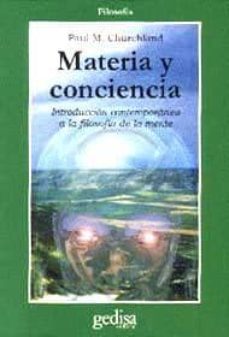
A pesar del progreso general en todos los ámbitos de la comprensión científica, hasta hace muy poco tiempo la naturaleza de la inteligencia consciente ha seguido siendo en gran medida un misterio. Sólo la cooperación entre muchas disciplinas, como la filosofía, la psicología, la inteligencia artificial, la neurociencia, la etnología y la teoría de la evolución entre otras, ha permitido avanzar en este campo, suscitando vivas polémicas y nuevos interrogantes. Este libro es una introducción a los principales elementos del actual debate filosófico-científico, a los planteamientos fundamentales, los conceptos de los principales investigadores, las teorías alternativas y sus argumentos y pruebas más importantes. Las ciencias empíricas suministran un caudal constante de nuevas informaciones y hallazgos, pero los datos son todavía ambiguos y aún no se ha hecho una elección definitiva entre todas las teorías, de modo que el lector podrá experimentar el placer y el entusiasmo de participar en una aventura en plena marcha. ¿Cuál es la verdadera naturaleza de los estados y procesos mentales? ¿En qué medio se llevan a cabo y cómo se relacionan con el mundo físico? Churchland ofrece una excelente orientación sobre la gran variedad de respuestas que estas preguntas han generado a nivel ontológico, semántico, epistemológico y metodológico. El último capítulo, de carácter declaradamente especulativo, plantea la existencia de inteligencia en otros lugares del universo desde el criterio de la probabilidad y, a partir de lo que nos enseña este libro sobre la mente humana, muestra el enorme impacto que el encuentro con otras inteligencias significaría para nuestra autoconciencia. Este fascinante panorama de las ciencias cognitivas es una guía rigurosa pero asequible para no especialistas a través de uno de los campos de investigación más importantes en la actualidad.
Ver más
Tapa blanda

Champ Vallon 9782876736740
Alors que la connaissance du monde physique qui nous entoure a considérablement progressé depuis Copernic et Galilée, nous savons bien peu de choses sur notre esprit, sa nature et son fonctionnement. Nous ne savons pas encore tres clairement en quoi consiste une croyance par exemple, comment nous apprenons ou encore en quoi consiste la plupart des maladies mentales. Ce livre est une introduction particulierement interessante aux questions de philosophie de lesprit. Apres avoir evoque les differentes conceptions philosophiques, dualisme, materialisme, fonctionnalisme, lauteur rappelle les perspectives ouvertes en ce domaine a la fois par les neurosciences, linformatique et lintelligence artificielle.
Ver más
eBook

Champ Vallon 9782876736733
Alors que la connaissance du monde physique qui nous entoure a considérablement progressé depuis Copernic et Galilée, nous savons bien peu de choses sur notre esprit, sa nature et son fonctionnement. Nous ne savons pas encore tres clairement en quoi consiste une croyance par exemple, comment nous apprenons ou encore en quoi consiste la plupart des maladies mentales. Ce livre est une introduction particulierement interessante aux questions de philosophie de lesprit. Apres avoir evoque les differentes conceptions philosophiques, dualisme, materialisme, fonctionnalisme, lauteur rappelle les perspectives ouvertes en ce domaine a la fois par les neurosciences, linformatique et lintelligence artificielle.
Ver más
eBook
GEDISA 9788474324488
CHURCHLAND, PAUL M.
Ver más
Tapa blanda
The MIT Press 9780262316576
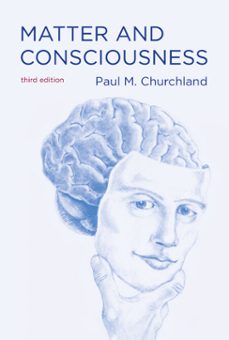
An updated edition of an authoritative text showing the relevance for philosophy of mind of theoretical and experimental results in the natural sciences.In Matter and Consciousness, Paul Churchland presents a concise and contemporary overview of the philosophical issues surrounding the mind and explains the main theories and philosophical positions that have been proposed to solve them. Making the case for the relevance of theoretical and experimental results in neuroscience, cognitive science, and artificial intelligence for the philosophy of mind, Churchland reviews current developments in the cognitive sciences and offers a clear and accessible account of the connections to philosophy of mind.For this third edition, the text has been updated and revised throughout. The changes range from references to the iPhones "Siri" to expanded discussions of the work of such contemporary philosophers as David Chalmers, John Searle, and Thomas Nagel. Churchland describes new research in evolution, genetics, and visual neuroscience, among other areas, arguing that the philosophical significance of these new findings lies in the support they tend to give to the reductive and eliminative versions of materialism.Matter and Consciousness, written by the most distinguished theorist and commentator in the field, offers an authoritative summary and sourcebook for issues in philosophy of mind. It is suitable for use as an introductory undergraduate text.
Ver más
eBook
The MIT Press 9780262300827
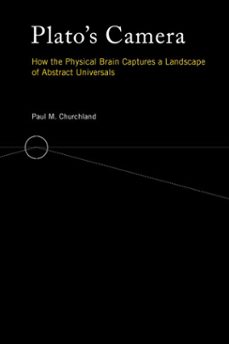
A noted philosopher draws on the empirical results and conceptual resources of cognitive neuroscience to address questions about the nature of knowledge. In Platos Camera, eminent philosopher Paul Churchland offers a novel account of how the brain constructs a representationor "takes a picture"of the universes timeless categorical and dynamical structure. This construction process, which begins at birth, yields the enduring background conceptual framework with which we will interpret our sensory experience for the rest of our lives. But, as even Plato knew, to make singular perceptual judgments requires that we possess an antecedent framework of abstract categories to which any perceived particular can be relevantly assimilated. How that background framework is assembled in the first place is the motivating mystery, and the primary target, of Churchlands book. Unexpectedly, this neurobiologically grounded account of human cognition also provides a systematic story of how such low-level epistemological activities are integrated within an enveloping framework of linguistic structures and regulatory mechanisms at the social level. As Churchland illustrates, this integration of cognitive mechanisms at several levels has launched the human race on an epistemological adventure denied to all other terrestrial creatures.
Ver más
eBook
Del 1 al 6 de 6