INGLÉS EPUB sin DRM eBook
Competence Self-Assessment | eBook
Calibrating Skills in Psychology
Léelo en cualquier dispositivo Descárgalo y empieza a leer ya

Usa tu Bono Cultural en este producto.
Sinopsis
This book provides a structured approach to competence self-assessment, focusing on the methods and psychological principles that foster an accurate self-evaluation of ones abilities.
It begins by exploring the foundations of self-perception within psychology, examining the crucial role of metacognition in learning and decision-making. The text addresses common cognitive biases that can distort self-assessment, including the well-known Dunning-Kruger effect. A central theme is the relationship between confidence vs competence, offering strategies for managing both overconfidence and imposter syndrome. Readers will learn systematic approaches to identifying personal blind spots and analyzing habitual behavior patterns.
The book then details practical methods for a systematic skills gap analysis. It emphasizes the importance of how to seek feedback constructively, from preparing for conversations to selecting appropriate feedback providers. Techniques such as creating skills matrices and conducting a systematic skills gap analysis are presented. Furthermore, it outlines how to objectively assess ones abilities through standardized assessment methods and by comparing performance against relevant reference groups.
Guidance is provided on how to process feedback effectively, regulate emotional responses to criticism, and synthesize self-perception with external perspectives. The final sections are dedicated to calibrating expertise by aligning self-assessment with objective performance data and setting clear learning goals.
The content transitions from analysis to actionable development, showing how to define and prioritize skill gaps and create a personal development plan. This involves selecting appropriate learning methods, setting measurable milestones, and continuously adapting the plan based on progress and new insights.
For this book, we have used modern technologies – including Artificial Intelligence and individually developed software solutions. They were used in many phases of the creation process: from brainstorming and research to writing and editing, as well as quality assurance and the design of the decorative illustrations.
Our goal is to offer you a reading experience that is particularly coherent and contemporary. The content of this book is, for the most part, AI-generated.
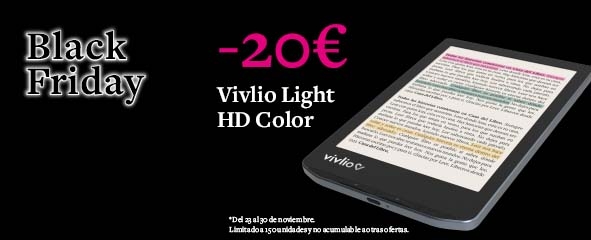
Black Friday: 20 € de descuento en el eReader Vivlio Light HD Color
Disfruta de la lectura a todo color con 20 € de descuento en el eReader Vivlio Light HD Color.
Promoción válida del 23 al 30 de noviembre o hasta agotar existencias.
Solo 150 unidades disponibles.
Léelo en cualquier dispositivo


Ficha Técnica
Editorial: Saage Media Gmbh
ISBN: 9783695955282
Idioma: Inglés
Fecha de lanzamiento: 08/09/2026
Especificaciones del producto
Reseñas sobre Competence Self-Assessment
Comparte tu experiencia con la comunidad lectora.
0 Reseñas
5 0
4 0
3 0
2 0
1 0
Sólo por opinar entras en el sorteo mensual de tres tarjetas regalo valoradas en
20€
Publicar una opinión supone haber leído y aceptado las
bases del sorteo
"Tu opinión tiene premio".