
INGLÉS
Joseph Andrews and Shamela
Por Henry Fielding
Estado: NUEVO
Vendido por IMOSVER
Sólo disponible de otros vendedores
Este libro se encuentra agotado en la editorial por lo que no va a poder comprarlo nuevo. Sólo podemos ofrecerle los ejemplares que han puesto a la venta otros vendedores, si no realizas hoy la compra no podemos garantizar que mañana siga a la venta.
Tiempo est. de lectura: 9h 36m
Federico García Lorca
Lorca, el escritor que cambió la literatura para siempre
A 90 años de su asesinato, la voz de Lorca sigue viva en una obra que continúa inspirando a nuevas generaciones. El estreno de La bola negra invita a redescubrir el legado de uno de los grandes nombres de nuestra literatura.
Ver más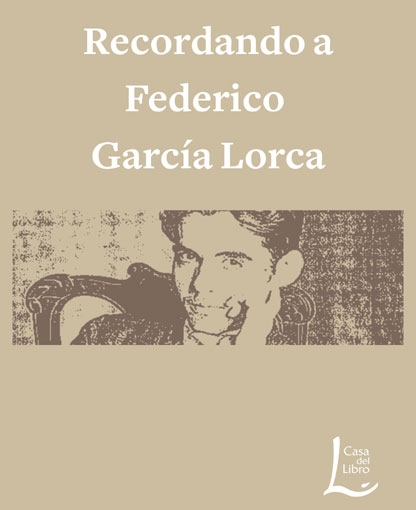
Sinopsis
Thomas Keymer is a 2011 Fellow of The Royal Society of Canada.
''I beg as soon as you get Fielding''s Joseph Andrews, I fear in Ridicule of your Pamela and of Virtue in the Notion of Don Quixote''s Manner, you would send it to me by the very first Coach.''
(George Cheyne in a letter to Samuel Richardson, February 1742)
Both Joseph Andrews (1742) and Shamela (1741) were prompted by the success of Richardson''s Pamela (1740), of which Shamela is a splendidly bawdy parody. But in Shamela Fielding also demonstrates his concern for the corruption of contemporary society, politics, religion, morality, and taste. The same themes - together with a presentation of love as charity, as friendship, and in its sexual taste - are present in Joseph Andrews, Fielding''s first novel. It is a work of considerable literary sophistication and satirical verve, but its appeal lies also in its spirit of comic affirmation, epitomized in the celebrated character of Parson Adams.
This revised and expanded edition follows the text of Joseph Andrews established by Martin C. Battestin for the definitive Wesleyan Edition of Fielding''s works. The text of Shamela is based on the first edition, and two substantial appendices reprint the preliminary matter from Conyers Middleton''s Life of Cicero and the second edition of Richardson''s Pamela (both closely parodied in Shamela). A new introduction by Thomas Keymer situates Fielding''s works in their critical and historical contexts.
Ficha Técnica
Editorial: Oxford University Press
ISBN: 9780199536986
Idioma: Inglés
Número de páginas: 464
Tiempo de lectura: 9h 36m
Encuadernación: Tapa blanda
Fecha de lanzamiento: 05/10/2016
Año de edición: 2008
Plaza de edición: Gb
Alto: 19.6 cm
Ancho: 12.9 cm
Peso: 325.0 gr
Especificaciones del producto
Recibe novedades de Henry Fielding directamente en tu email
Reseñas sobre Joseph Andrews and Shamela
Comparte tu experiencia con la comunidad lectora.
0 Reseñas
5 0
4 0
3 0
2 0
1 0
Sólo por opinar entras en el sorteo mensual de tres tarjetas regalo valoradas en
20€
Publicar una opinión supone haber leído y aceptado las
bases del sorteo
"Tu opinión tiene premio".