
INGLÉS
THE PEARL
Por John Steinbeck
Estado: DE 2ª MANO (BUENO)
Vendido por World Wide Books
Sólo disponible de otros vendedores
Este libro se encuentra descatalogado en la editorial por lo que no va a poder comprarlo nuevo. Sólo podemos ofrecerle los ejemplares que han puesto a la venta otros vendedores, si no realizas hoy la compra no podemos garantizar que mañana siga a la venta.
Otros vendedores (nuevo y usado) desde 189,00 €
Tiempo est. de lectura: 1h 54m
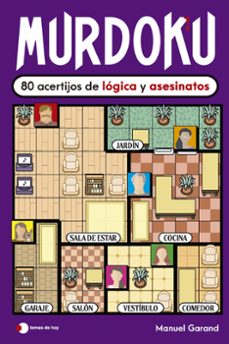
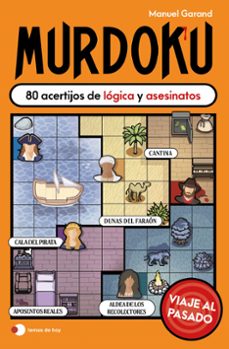
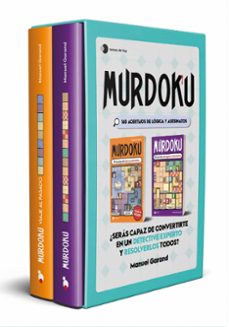
Descubre por qué Murdoku es el libro más viral
Sinopsis
This moving parable of wealth and the evil it can bring is based on a Mexican folktale. The simple life of Kino, a pearl fisher, changes for ever when he finds a great pearl, a pearl as large as a seagull's egg. The story is of the finding of the pearl, the dreams it represents and its loss. Kino is blind to the greed, fear and even violence the pearl arouses in his neighbours - and in himself - and the promise of great wealth and a better life for Kino and his family brings nothing but misfortune and enemies
Ficha Técnica
Editorial: Dk
ISBN: 9780241952467
Idioma: Inglés
Número de páginas: 96
Tiempo de lectura: 1h 54m
Encuadernación: Tapa blanda
Fecha de lanzamiento: 01/01/2012
Año de edición: 2012
Plaza de edición: Reino Unido
Especificaciones del producto

Recibe novedades de John Steinbeck directamente en tu email
Reseñas sobre THE PEARL
Comparte tu experiencia con la comunidad lectora.
0 Reseñas
5 0
4 0
3 0
2 0
1 0
Sólo por opinar entras en el sorteo mensual de tres tarjetas regalo valoradas en
20€
Publicar una opinión supone haber leído y aceptado las
bases del sorteo
"Tu opinión tiene premio".