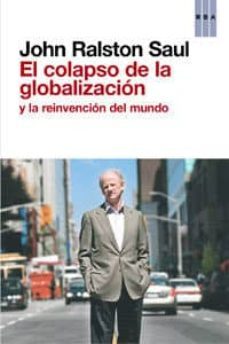
John Ralston Saul (1947) es un autor y ensayista canadiense y el presidente de PEN Internacional. Como ensayista, Saul es particularmente conocido por sus comentarios sobre la naturaleza del individualismo, la ciudadanía y el bien público, los fracasos de las sociedades dirigidas por directores (o más precisamente, por tecnócratas), la confusión entre el liderazgo y la gerencia pública, el papel de la libertad de expresión y la cultura, y la economía.
Recibe novedades de JOHN RALSTON SAUL directamente en tu email

Intrigue, prestige, debauchery: Dark Diversions by acclaimed author John Ralston Saul is a black comedy of international proportions.From aristocrats and the privileged circles of New York and Paris to military dictators and the political infighting, double-dealing and corruption or their regimes in Morocco and Haiti, welcome to the world where money and power reside.Through a series of encounters with its inhabitants, at once beguiling and grotesque, our investigative narrator uncovers bizarrre and disturbing stories of secret lovers, exiled princesses, religious heresies and murder. But as he becomes further enmeshed in this savage realm, his ambiguous status becomes increasingly unsettling: is he the impartial observer of priviliged foibles and fundamental inequity he appears to be? Or is he, perhaps, an embodiment of the dark diversions he chronicles?Laced with scathing wit, Dark Diversions is a novel that inveigles its reader on a picaresque journey of depravity.A delightful novel, invigoratingly wickedLe MondeSaul has the eye, the aloofness, the killer turn of phrase of a Truman CapoteLe FigaroJohn Ralston Saul is Canadas leading public intellectual. Declared a prophet by Time magazine, Saul has received many awards and prizes, including Chiles Pablo Neruda Medal. He is president of PEN International, and his thirteen works have been translated into twenty-two languages in thirty countries. Dark Diversions is his sixth novel.
John Ralston Saul se enfrenta en este ensayo a los motivos que originaron el movimiento de la globalización y a su avance histórico. A priori, el autor no plantea una visión negativa de lo que hoy a menudo se supone como un problema, sino que de entrada examina los motivos legitimos, lo que denomina la "promesa de la globalizacion", que llevo a sus teoricos a apostar por este modelo. Para ilustrar y demostrar esta posicion, el autor se dedica a analizar la evolucion historica de la globalizacion a traves de tres momentos: el auge, desde finales de los años setenta hasta la caida del muro, la meseta, en los primeros noventa, y la caida, en los años que preceden a la publicacion del libro.