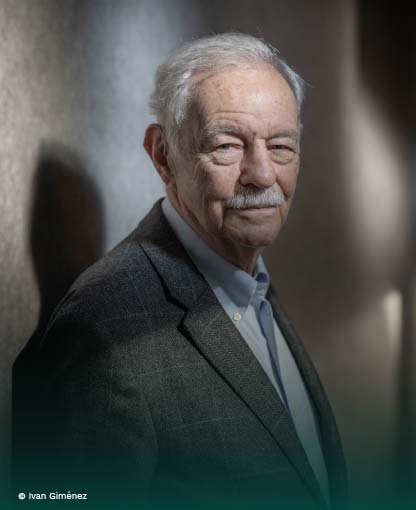
Seyyed Hosein Nasr (Irán, 1933), es filósofo y ensayista, y uno de los investigadores más destacados en el campo de los estudios religiosos, sobre todo en temas relacionados con el Islam. Es autor de más de 50 libros que abordan la metafísica, la ciencia, el sufismo y la filosofía islámica. Actualmente se desempeña como profesor de Estudios Islámicos en la George Washington University.
Recibe novedades de Seyyed Hossein Nasr directamente en tu email

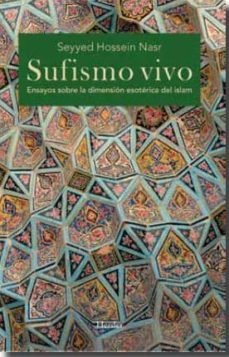
Más de tres décadas han pasado desde la primera aparición de Sufismo vivo en español. Durante este periodo el interés por el sufismo ha crecido en Occidente en general, y en España en particular. Esta nueva edicion ayudara a quienes de verdad esten interesados en la espiritualidad y les permitira navegar por los mares del mundo interior, de manera que alcancen la otra orilla con seguridad; y a quienes posean interes academico por el sufismo les ayudara a descubrir la naturaleza viva de esta tradicion.
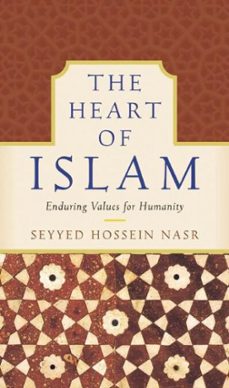
As the specter of religious extremism has become a fact of life, it can be very easy to believe that the evil actions of a minority stand for the values of an entire tradition. Recently, there has been much confusion in the Western world concerning distorted portrayals of Islams core values. Drawing on Islamic scripture, teaching and tradition, Seyyed Hossein Nasr presents the true spiritual and social values of Islam, such as peace, compassion, social justice, and tolerance. Nasr calls fellow members of the Abrahamic religions (Judaism, Christianity, and Islam) to a new future of mutual respect and common global purpose, as he portrays the beauty and appeal of a faith that is embraced by more than a billion people.Professor Seyyed Hossein Nasr was born in Tehran, Iran in 1933. He received his advanced education at M.I.T. and Harvard University, returning to teach at Tehran University from 1958-1979, where he also served as Dean of the Faculty of Letters and Vice Chancellor. He founded the Iranian Academy of Philosophy and served as its first president, and was also for several years president of Aryamehr University. Since 1984, he has been University Professor of Islamic Studies at George Washington University in Washington, D.C., and President of the Foundation for Traditional Studies.At a time when Islam is frequently misunderstood and often maligned, this sensitive, insightful, and beautifully written book comes as a ray of sunshine. -Mark Juergensmeyer, author of Terror in the Mind of God

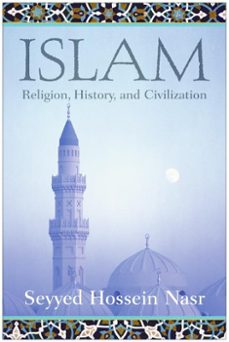
The worlds leading Islamicist offers a concise, straightforward introduction to the history, beliefs, and practices of his faith. Seyyed Hossein Nasr presents a comprehensive overview of Islamic doctrines and beliefs, schools of Islamic thought, Islam in the contemporary world, and much more. While outlining the 1400 year history of Islam, Nasr also pays close attention to the diversity of a religion that is embraced by more than a billion people. Professor Seyyed Hossein Nasr was born in Tehran, Iran in 1933. He received his advanced education at M.I.T. and Harvard University, returning to teach at Tehran University from 1958-1979, where he also served as Dean of the Faculty of Letters and Vice Chancellor. He founded the Iranian Academy of Philosophy and served as its first president, and was also for several years president of Aryamehr University. Since 1984, he has been University Professor of Islamic Studies at George Washington University in Washington, D.C., and President of the Foundation for Traditional Studies.Members of the general Western republic will put this book down with a fuller grasp of why Islam has shaped the religious impulse of so many and why it still does. New York Times Book Review
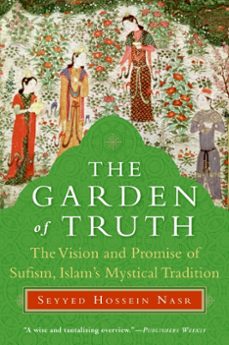
What Kabbalah is to Judaism, Sufism is to Islam. This esoteric sect has made significant contributions to the religion; however, many conservative Muslims disagree with popular Sufi practices, particularly saint worship, the visiting of tombs, and its incorporation of non-Islamic customs. As a result, Sufism has become a target for Islamic reformist and modernist movements. Seyyed Hossein Nasr, the preeminent Sufi scholar in the United States, explains the beliefs and vision of the mystical heart of Islam in The Garden of Truth, along with a history of Sufi saints and schools of thought. Readers of this book will find that Islam is much more than what is often depicted in the media.Seyyed Hossein Nasr, one of the worlds leading experts on Islamic science and spirituality, is a professor of Islamic Studies at George Washington University. Author of over fifty books and five hundred articles, Professor Nasr is a well known and highly respected intellectual figure both in the West and the Islamic world. Nasr was born in Tehran, raised from the age of twelve in the United States, and is a graduate of MIT and Harvard.Only Professor Nasr could have given us such a beautiful and authoritative book on Sufism, its genesis, practices, disciplines and states, both historically as well as practically This modern classic will challenge the serious reader to realize and experience directly the ever-present inner garden of eternal truth. A brilliant gift to a confused world. Shaykh Fadhlalla Haeri, Sufi Master, author and founder of the Academy of Self Knowledge (ASK).
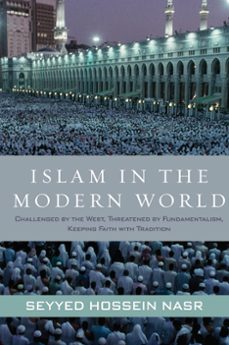
The foremost U.S. authority on Islam and, Seyyed Hossein Nasr discusses todays hot button issuesincluding holy wars, womens rights, the rise of Islamic fundamentalism, and the future of Moslems in the Middle Eastin this groundbreaking discussion of the fastest-growing religion in the world.One of the great scholars in the modern Islamic intellectual tradition, and the acclaimed author of books such as The Garden of Truth and The Heart of Islam, Nasr brings incomparable insight to this exploration of Muslim issues and realities, delivering a landmark publication promoting cross-cultural awareness and world peace.To understand the challenges facing the Islamic world, Nasr makes a crucial distinction between traditional Islam, modernism, and fundamentalism, providing clarity on:Modernism and Fundamentalism: An incisive analysis of how both modern secularism and recent fundamentalist movements pose unique challenges to the authentic, centuries-old Islamic intellectual tradition. The Meaning of Jihd: A powerful reframing of one of the most misunderstood concepts in Islam, moving beyond the headlines of "holy war" to explain its deeper spiritual and ethical significance. Sufism and Islamic Spirituality: An exploration of the heart of Islam, covering the esoteric and mystical dimensions of the faith that have nurtured saints, philosophers, and artists for centuries. Shism and Sunnism: A clear-eyed look at the historical and theological realities of the two major branches of Islam, essential for understanding the dynamics of the modern Middle East. Islamic Science and Philosophy: An overview of the rich intellectual heritage of Islamic civilization, from its contributions to science and mathematics to its profound philosophical and metaphysical schools of thought.
Con el espectro del extremismo religioso convertido ya en un asunto cotidiano, es grande la tentación de dejar que las acciones y perspectivas perversas de una minoría asuman la representación de toda una tradicion. En el caso del Islam, una vision distorsionada de sus valores fundamentales ha generado recientemente una gran confusion en el mundo occidental. En El corazon del Islam, uno de los mejores expertos en la historia islamica nos ofrece una inteligente vision del nucleo espiritual y los valores sociales del Islam: paz, compasion, justicia social y respeto por los otros. Estudiando los valores del Islam en la Escritura, en las fuentes tradicionales y en la historia, Seyyed Hossein Nasr muestra tambien su proximidad a las tradiciones judia y cristiana, poniendo de relieve el terreno comun sobre el que se levantan las tres religiones abrahamicas. Nasr invita a los integrantes de cada civilizacion a dejar de demonizar a los otros, a dejar de identificarse a si mismos con el Bien en estado puro y a adoptar en su lugar una vision mas profunda de aquellos valores comunes que pueden resolver los acuciantes problemas a que se enfrenta actualmente la humanidad. El corazon del Islam es una magnifica presentacion de los valores perdurables que ofrecen esperanza a la humanidad y un retrato convincente de la belleza y el atractivo de la fe de mil doscientos millones de personas. Seyyed Hossein Nasr nacio en Teheran, Iran. Recibio la educacion superior en el M.I.T. y en la Universidad de Harvard, y volvio a Iran para impartir su enseñanza en la Universidad de Teheran de 1958 a 1979, donde tambien desempeño el cargo de decano de la Facultad de Letras y de rector. Fundo la Academia Irani de Filosofia, de la que fue su primer presidente. Desde 1984 ha sido profesor de estudios islamicos en la Universidad George Washington, Washington D. C., y presidente de la Foundation for Traditional Studies.