Librerías












![once upon a broken heart collectors edition: [limited stenciled edge edition]-stephanie garber-9781399641692](https://imagessl2.casadellibro.com/a/l/s5/92/9781399641692.webp)









 Leer primeras páginas
 📱 eBook en inglés PROTAGORAS
Enriched edition. Exploring Virtue and Education in Ancient Greek Philosophy
Good Press- 4057664106223
Sinopsis de PROTAGORAS
In this enriched edition, we have carefully created added value for your reading experience:
- A succinct Introduction situates the works timeless appeal and themes.
- The Synopsis outlines the central plot, highlighting key developments without spoiling critical twists.
- A detailed Historical Context immerses you in the eras events and influences that shaped the writing.
- An Author Biography reveals milestones in the authors life, illuminating the personal insights behind the text.
- A thorough Analysis dissects symbols, motifs, and character arcs to unearth underlying meanings.
- Reflection questions prompt you to engage personally with the works messages, connecting them to modern life.
- Hand‐picked Memorable Quotes shine a spotlight on moments of literary brilliance.
- Interactive footnotes clarify unusual references, historical allusions, and archaic phrases for an effortless, more informed read.




Léelo en cualquier dispositivo

iPhone y iPad
Descarga la App de lectura Vivlio Casa del Libro para IOS. Es gratuita y está disponible tanto para iPhone como para iPad.
Android
Descarga la App de lectura Vivlio Casa del Libro para Android. Es gratuita y está disponible tanto para móvil como para tablet.

Tu navegador
Puedes leer los eBooks directamente con nuestro visor online, accediendo a nuestra web desde tu móvil o tu ordenador, sin necesidad de descargar nada. Accede a tu área de usuario y empieza a leer.

eReader Vivlio Casa del Libro
Disfruta de la sensación de un libro físico, pero con las ventajas de un libro digital. Puedes comprar tu eReader Vivlio Casa del Libro aquí.
Empezar a utilizarlo es muy fácil, solo tienes que sincronizar la biblioteca con tu usuario y contraseña y a disfrutar de la lectura.

Otros eReaders*
Puedes conectar tu eReader a tu ordenador y enviar el libro al dispositivo utilizando Adobe Digital Editions.
* Los eReaders de Amazon (Kindle) solo permiten libros de su propia tienda, por lo que no son compatibles.

Ficha técnica
Editorial: Good Press
ISBN: 4057664106223
Idioma: Inglés
Fecha de lanzamiento: 19/11/2019
Especificaciones del producto
Escrito por Platón
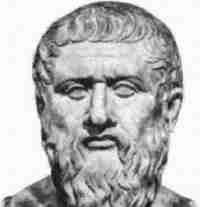
Platón (Atenas, 427 - 347 a. C.) fue un filósofo griego que, junto a su maestro Sócrates y su discípulo Aristóteles, es considerado uno de los grandes pensadores de la tradición filosófica europea. La obra de Platón, radicalmente novedosa en su elaboración lógica y literaria, estableció una serie de constantes y problemas que marcaron el pensamiento occidental más allá de su influencia inmediata, que se dejaría sentir tanto entre los paganos (el neoplatonismo de Plotino) como en la teología cristiana, fundamentada en gran medida por San Agustín. Nacido en el seno de una familia aristocrática, Platón abandonó su inicial vocación política y sus aficiones literarias por la filosofía, atraído por Sócrates. Fue su discípulo durante veinte años y se enfrentó abiertamente a los sofistas (Protágoras, Gorgias). Tras la condena a muerte de Sócrates (399 a. C.), huyó de Atenas y se apartó completamente de la vida pública; no obstante, los temas políticos ocuparon siempre un lugar central en su pensamiento, y llegó a concebir un modelo ideal de Estado. En el año 387 fundó una escuela de filosofía, situada en las afueras de Atenas, junto al jardín dedicado al héroe Academo, de donde procede el nombre de "Academia". En ella se estudiaba y se investigaba sobre todo tipo de asuntos, dado que la filosofía englobaba la totalidad del saber, hasta que paulatinamente fueron apareciendo (en la propia Academia) las disciplinas especializadas que darían lugar a ramas diferenciadas del saber, como la lógica, la ética o la física. Pervivió más de novecientos años y en ella se educaron personajes de importancia tan fundamental como Aristóteles.
Opiniones sobre PROTAGORAS (EBOOK)
¡Sólo por opinar entras en el sorteo mensual de tres tarjetas regalo valoradas en 20€*!
Los eBooks más vendidos de la semana
Ver más